Core Aeration vs. Dethatching in Bartlett, TN: Which One Does Your Lawn Actually Need?
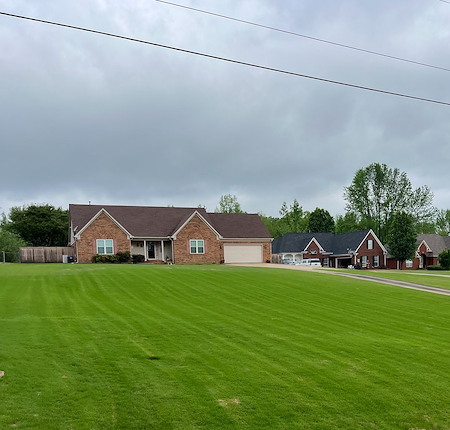
If your grass looks tired even after watering and mowing, you may be dealing with compacted soil or a thick thatch layer. This guide breaks down core aeration vs. dethatching for Bartlett, TN homeowners so you can choose the service that restores thicker, greener turf. For a deeper dive, see our core aeration vs. dethatching in Bartlett, TN overview and how it fits into a healthy lawn program.
Both services solve different problems. Core aeration opens the soil so roots can breathe and grow. Dethatching removes the matted layer of dead stems that blocks air and water. The right choice depends on what is beneath your feet and the season we are in here in West Tennessee.
When you are ready for professional help, our team at Woodlawn Lawn Care can evaluate your yard and recommend the best path. You can also explore our core aeration service to see how we approach compacted soil on local clay lawns.
What Is Core Aeration?
Core aeration uses a machine to pull small cylinders of soil from the turf canopy. Those openings relieve pressure, create channels for air and water, and give roots room to expand. On Bartlett’s clay-heavy soils, that relief can be dramatic after a season of summer heat and foot traffic at neighborhood spots like Davies Plantation Park and baseball fields off Stage Road.
Think of it like untying a knot in your lawn’s root zone. Once loosened, roots take up nutrients more easily, and the surface dries faster after a storm. That means fewer puddles and fewer thin patches.
What Is Dethatching?
Thatch is a layer of dead stems and organic debris that collects between green grass and the soil. A small amount is normal. Too much acts like a thatch roof and keeps water, air, and treatments from getting to the roots.
Dethatching mechanically lifts and removes excess thatch so new growth can push through. Warm-season grasses common in Bartlett, like Bermuda and zoysia, can build thatch if they get frequent high-nitrogen feedings or if clippings never break down after long, wet spells.
Compacted Soil vs. Thatch: How To Tell
You do not need lab tests to get a first read on what your yard is telling you. Look for these patterns during a normal walk across the lawn in areas like Ellendale or along the Stage Road corridor.
Common Signs of Compacted Soil
- Water puddles or runs off quickly after a rain instead of soaking in
- Grass thins along walkways, driveways, and play areas
- Soil feels hard and roots are short and sparse when inspected
- Weeds that love tough soil, like goosegrass and prostrate knotweed, take hold
Common Symptoms of Excess Thatch
- Spongy, bouncy feel underfoot even when soil is not wet
- Brown layer visible when you part the grass down to the soil line
- Dry spots appear fast after sun and wind, but the ground below is still moist
- Insects and disease linger in the matted layer
Thatch thicker than half an inch is a problem because water and treatments get trapped above the soil. On the other hand, if your soil is dense and roots are shallow, aeration is the smarter first step.
Best Season For Bartlett, TN Lawns
Warm-Season Lawns (Bermuda and Zoysia)
Plan core aeration once the lawn is fully awake and growing. Late spring through mid summer is ideal in Shelby County because turf recovers quickly. Dethatching fits the same window if thatch is excessive. Aeration should coincide with active growth so the grass heals fast.
Cool-Season Lawns (Tall Fescue In Shade)
Some Bartlett properties with shade pockets favor tall fescue. For these lawns, aim for early fall when nights cool and roots surge. Aeration supports deeper rooting before winter. If thatch is heavy, schedule gentle removal during the same recovery period.
Avoid dethatching during summer drought or winter dormancy. Recovery is slower and stress is higher when temps spike or grass is asleep.
Which Service Do You Need Right Now?
Quick Yard Checks
Start with feel underfoot and how water behaves after a typical Bartlett thunderstorm. If the lawn feels firm and sheds water, compaction is likely. If it feels bouncy and dry spots show up fast, thatch may be the culprit. Clay-heavy soils in Bartlett compact faster, especially in high-traffic sections near patios, swing sets, and mailboxes.
How Pros Decide
At Woodlawn Lawn Care, we look at soil texture, root depth, recent mowing and feeding habits, shade patterns, and traffic. We also consider your grass type and neighborhood microclimate. For example, open lots near Old Brownsville Road dry differently than sheltered backyards in Davies Plantation.
When core aeration is the answer, we plan timing around active growth for your grass type. If dethatching is needed, we choose the right intensity so we lift the thatch without tearing healthy runners. Often we combine both services over a season for stubborn lawns, starting with aeration to open the soil and following with thatch removal once new growth is strong.
How Core Aeration and Dethatching Work Together
Think of your lawn as a team effort between roots and shoots. Aeration improves the root zone by loosening soil and encouraging deeper growth. Dethatching cleans up the surface so new leaves can thicken the canopy. When both layers are healthy, you get stronger color, better drought tolerance, and fewer disease flare-ups.
On many Bartlett properties, we recommend aeration first because compacted clay can choke roots. Once growth rebounds, we evaluate the thatch layer. If removal is needed, we time it so the lawn can quickly fill in. That sequence prevents setbacks and gives a longer-lasting result.
Local Factors Bartlett Homeowners Should Know
Our local soils contain a lot of fine particles that pack tight. Frequent foot traffic, pets, and riding mowers add pressure. Add in fall leaf drop and spring pollen, and organic debris can build up near the surface. All of this guides whether you choose aeration, dethatching, or both.
Neighborhood examples help. Yards along Yale Road with older shade trees often struggle with thin roots and surface debris. Newer lots near the Highway 64 corridor may have subsoil closer to the surface, which compacts quickly after construction. Both scenarios benefit from a professional eye and a seasonally smart plan.
Results You Can Expect
After core aeration, lawns usually show faster rooting, better water infiltration, and fewer wet spots. Color improves as nutrients reach the root zone. After dethatching, you will notice a cleaner surface, fewer disease-prone mats, and more even regrowth where sunlight can reach the crowns.
We set expectations based on your grass type and season. Bermuda and zoysia can rebound quickly in warm weather. Fescue responds best in fall with cooler nights. Either way, pairing the right service with the right timing is what delivers the lush, even look Bartlett homeowners want.
Why Work With Woodlawn Lawn Care?
Choosing a local pro matters. We work only in our area, so our recommendations reflect Bartlett weather patterns, soil quirks, and neighborhood traffic. We also build your plan around your schedule and how you use your yard, whether that is weekend cookouts or weekday soccer practice.
Curious how these services fit into a full program? Take a look at our full lawn care services to see how aeration, feeding, and seasonal cleanups align for year-round results. You can also browse practical insights on our lawn care tips page.
Core Aeration vs. Dethatching: A Simple Side-By-Side
Use this quick comparison to match your lawn’s symptoms to the right solution.
- Primary problem is hard soil, runoff, and shallow roots: choose core aeration first.
- Primary problem is a thick, spongy mat above the soil: choose dethatching during active growth.
- Both problems present: schedule aeration, allow recovery, then reassess thatch.
- Unsure: request a professional assessment before the next growth window.
When To Act In Bartlett, TN
Timing is everything. Warm-season lawns should target late spring into early summer once green-up is complete. Shade fescue areas do best in early fall. If storms or heat spikes hit, we shift schedules to protect recovery. The goal is to reduce stress and lock in gains from each service.
If your lawn shows more than one symptom, our advice is to start with the root zone. Open the soil, help roots breathe, and then address any leftover thatch. That approach often cuts down on problems the rest of the year.
Ready For Thicker, Healthier Grass?
Get a professional recommendation tailored to your yard, your grass type, and Bartlett’s seasonal patterns. Call Woodlawn Lawn Care at 901-475-1969 or learn how our core aeration service restores compacted clay lawns across Shelby County. Our team will inspect your turf, explain the plan in plain language, and schedule at the right time for fast recovery.
If you want a greener lawn without guesswork, we are ready to help today.
GET A FREE QUOTE TODAY FROM A PROFESSIONAL LAWN CARE & WEED CONTROL COMPANY