How Professional Weed Control Protects Atoka Lawns Year-Round
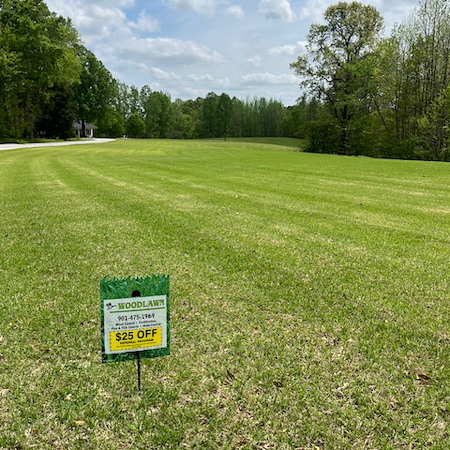
If you live in Atoka, TN, you know weeds never take a season off. The heat, humidity, and clay-heavy soils set the stage for constant pressure from winter annuals, spring germinators, and summer invasives. That is why a professional program built around the seasons matters. With a local plan and a year-round weed control schedule, your grass gets protection exactly when it needs it.
Homeowners often search for dependable weed control in Atoka, TN because they want fewer surprises and a lawn that looks good every month. The right partner studies how weeds behave here, watches soil temperatures, and times treatments so your turf can thicken, shade the soil, and push weeds out before they start.
Why Weed Control in Atoka, TN Is a Year-Round Job
West Tennessee doesn’t have a long winter pause. Mild snaps, fast warmups, and pop-up storms create a long window where weeds can germinate or rebound. Broadleaf weeds like henbit and chickweed wake up in late winter. Annual bluegrass hides in the fall and shows up by late winter. Summer brings sedges and crabgrass along sidewalks and sunny edges.
Pre-emergent timing depends on soil temperatures, not the calendar. Your plan should flex each year so the barrier is in place before seeds pop.
What Seasonal Weed Cycles Look Like in West Tennessee
Seasonal weed cycles shift with our weather, so your schedule should too. Here is how pressure typically unfolds around Atoka and nearby towns like Munford, Millington, and Brighton:
- Late winter: winter annuals show, cool soils keep roots shallow, post-emergent cleanups help.
- Spring: seeds look for warm soil; targeted pre-emergent and spot treatments protect fresh growth.
- Summer: heat stresses turf; sedges and crabgrass push into thin spots and along hard edges.
- Early fall: new cool-season weeds germinate; fall pre-emergent helps block the next wave.
Thick turf is your best weed defense. The goal is to stack the odds so grass crowds out new seedlings before they see daylight.
How Local Soil Conditions Affect Weed Pressure
Much of Atoka sits on clay-dominant soils. Clay compacts under foot traffic and mowing, which forces roots to be shallow and leaves thin patches where weeds win. Those compacted areas also hold water after storms, which favors certain sedges and opportunistic broadleaf weeds.
Professionals read the lawn like a map. Sun exposure, shade from oaks or pines, pet paths, and downspout discharge all change weed patterns from one side yard to the next. Plans that consider these local soil conditions create stronger, longer-lasting results.
The Professional Process: Inspection, Targeting, and Timing
Inspection Comes First
Before anything is applied, a tech looks for grass type, density, trouble zones, and recent stress. They check bed edges, curb lines, play areas, and any thin turf that might invite invaders.
Targeted Applications
Selective products focus on problem weeds without harming desirable turf. Beds and borders often need a different approach than an open lawn. Timing and product choice change with temperature and growth stage.
Follow-Through and Adjustments
Results are reviewed throughout the season. If summer heat spikes or storms keep soils soggy, the plan adjusts. That’s how you keep a lawn clean even when the weather doesn’t cooperate.
Pre-Emergent vs. Post-Emergent: What Homeowners Should Know
Pre-emergent builds a shield in the soil so seeds don’t sprout. It works best when applied just ahead of germination windows. Post-emergent targets existing weeds and gets used as spot cleanups or broader corrections when pressure is high. Used together and timed to the season, they give your turf the breathing room it needs to grow thick and even.
Never mow too soon after a post-emergent visit unless your technician says it is okay. That helps the product move through the plant, so the whole weed is controlled, not just the leaves.
Flower Beds, Edges, and High-Visibility Areas
Weeds love open mulch and sunny sidewalks. Bed edges, mailbox strips, and curb lines are common weak spots, especially where soil bakes and cracks. Professional care for beds uses different materials and timing than lawn applications, so bedding plants stay safe and weeds stay out.
For a deeper look at how pros balance materials across beds and turf, read this quick explainer on herbicide and pesticide services.
Local insight: after a treatment, let the application dry before anyone plays outside. In humid Atoka weather, this is usually quick, but drying time can vary with shade and airflow. Keeping feet and paws off until dry protects the lawn and your family.
Boosting Results With Aeration and Healthy Turf
If compaction is the enemy, opening the soil is the fix. Pairing your weed plan with core aeration helps air and water move, encourages deeper roots, and thickens the stand. Thicker turf shades the soil, which blocks light from weed seeds. That is how you move from fighting weeds to preventing them.
Healthy, dense grass changes everything. Once density improves, weeds struggle to find space, and your program can focus more on prevention than cleanups.
Real-World Examples Around Atoka
Sunny front lawns along busy streets often battle crabgrass in the parking strip. Side yards shaded by mature trees turn thin and collect moisture, which invites different broadleaf weeds. Backyards with swing sets or dog runs compact fast and become “hotspots” without regular care. A professional plan studies these micro-conditions and builds a route to steady, visible improvement.
When to Call for Help
Some weeds are stubborn, and local weather can flip fast. If you notice any of the following, it’s a good time to bring in Woodlawn Lawn Care for a closer look and a tuned plan:
- Patches that stay thin no matter how often you mow
- Weeds are returning in the same spots after each rain
- Soil that feels hard underfoot or puddles after storms
- Edges along sidewalks that brown out and then fill with weeds
- Bed areas where mulch won’t keep intruders down
What You Get With Woodlawn Lawn Care
Choosing a local team means your plan reflects seasonal weed cycles and the soil under your feet. You get inspections that catch issues early, targeted products that match your grass type and site conditions, and a schedule that adapts to West Tennessee weather. When each visit builds on the last, your lawn moves from constant rescue to steady, low-drama growth.
If you want fewer weeds and more weekends back, ask about our approach and how a tailored plan can support your yard’s specific challenges. You can also learn how our technicians coordinate bed edges, sidewalks, and play areas so every part of the property looks cohesive.
Ready for a Lawn That Stays Clean All Year?
Protect your curb appeal with a plan that fits Atoka’s seasons and soils. If you are ready to see steady results, request a visit, and we will map the property and recommend the right path. Start here with our professional weed control, or call 901-475-1969 to schedule with Woodlawn Lawn Care today.
GET A FREE QUOTE TODAY FROM A PROFESSIONAL LAWN CARE & WEED CONTROL COMPANY