How to Fix Bare Spots in Bermudagrass vs. Fescue Lawns in West Tennessee
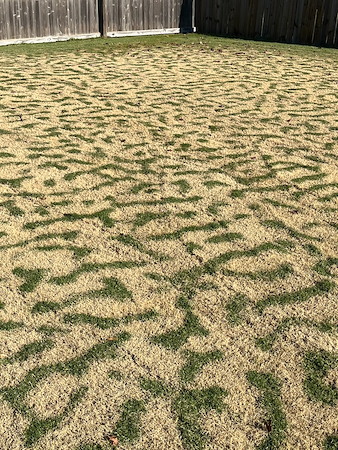
Fixing thin turf starts with choosing the right approach for your grass and your yard’s light. In Atoka, most sunny lawns lean toward Bermudagrass, while tree-lined areas do better with Fescue. If you want a plan that fills in bare patches and holds through summer, our team builds it around professional grass seeding, local weather, and the way each grass type grows.
Below is a straightforward guide to how the pros at Woodlawn Lawn Care restore patchy areas in Bermudagrass and Fescue across Tipton County. You will see why timing, shade vs. sun, and soil prep make all the difference for long‑term results in Atoka.
Why Bare Spots Happen In West Tennessee Lawns
Our region gets hot, humid summers with pop‑up storms, then quick cool‑downs in early fall. That swing stresses turf, especially in compacted clay soils common around Atoka, Munford, Millington, and Brighton. Bare spots often trace back to a few predictable issues a pro can diagnose fast.
- Traffic and compaction that choke roots and block water movement
- Shade patterns that don’t match the grass type in each zone
- Heat stress after long sunny stretches or shallow soil on slopes
- Weed pressure that rushes into open soil before grass can fill
- Drainage ruts that collect water and thin turf along the path
The fix works best when it’s matched to the grass you already have and to how your property actually behaves after rain, sun, and weekend use.
Sun Vs. Shade: Bermudagrass Or Fescue For Atoka Yards
Bermudagrass loves full sun and repairs itself by spreading. Fescue prefers filtered light and grows in clumps that do not creep. Those growth habits are why patch repair looks different for each lawn.
- Full sun, heat, and open play spaces: Bermudagrass usually wins
- Filtered light from mature trees or north‑facing backyards: Fescue holds color better
- Mixed lots with sunny fronts and shaded backs: a split approach often makes sense
During your walkthrough, a technician maps where sunlight changes across the yard. Using one seed blend everywhere rarely performs well in West Tennessee, especially where afternoon shade meets hard summer heat.
When Each Grass Recovers Best In Atoka
Timing follows biology. Bermudagrass is a warm‑season spreader. It patches fastest once nights are warm and growth is active. Fescue is a cool‑season bunch grass. It thickens best as nights cool and soil stays warm enough for rooting.
That is why our crews stage Bermudagrass patch work during its active summer window and schedule Fescue overseeding during the fall recovery window. The goal is simple. Give the grass the season it wants so new growth settles in before stress returns.
Professional Plan To Fix Bare Spots
The right plan blends light, traffic, and soil conditions with the calendar. For many homes near Atoka, that means pairing seed with targeted prep and weed management so new turf is not fighting an uphill battle.
Where compaction is part of the problem, we often coordinate core aeration with seeding. Opening the soil improves seed‑to‑soil contact and water movement so young roots can take hold. If weed pressure is high, scheduling weed control around seeding protects new germination without blocking it. You can see more on timing in our related post, grass seeding mistakes homeowners should avoid in atoka.
Bermudagrass Patch Repair: What To Expect
Bermudagrass spreads by stolons and rhizomes, which helps it heal gaps across sunny sections of Atoka lawns. Patch repair focuses on giving those runners a clean, open surface to cover while adding carefully selected seed in areas that need a boost.
On visit day, your technician reviews sun exposure, grade, and runoff so any new work aligns with how the lawn dries after storms. Thin zones near sidewalks and driveways get special attention, since heat reflecting off concrete can slow recovery. Cooling the surface and opening the soil are small steps that drive faster fill‑in when Bermuda is awake and growing.
In later check‑ins, the team monitors edges where weeds like to sneak in and keeps the plan centered on growth, not just color. The objective is durable coverage that handles foot traffic and summer heat through the West Tennessee season, not a quick green that fades after a few weeks.
Fescue Overseeding: What To Expect
Because Fescue grows in clumps, it needs overseeding to close gaps. Fall is when nights ease, soil stays warm, and roots can develop before the next summer. A pro blend scaled to your shade profile builds density in the right zones without forcing one mix across the whole yard.
Our crews align the overseeding plan with weed control so new seed is not blocked. In higher traffic areas, we adjust the pass pattern so tender shoots are not repeatedly stressed while they knit together. The result is a fuller stand that reads as one lawn once spring returns. For a deeper overview of seeding choices here at home, you can start from grass seeding in Atoka, TN and explore how our program fits local weather.
Local insight: West Tennessee’s quick, heavy showers can seal clay on the surface. When your technician talks about opening the soil before any new seed goes down, that is to prevent washouts and help roots grab hold faster.
Shady sections that look tired each summer often favor a Fescue blend, while the open, sunny front yard is a better candidate for Bermudagrass recovery.
Mixed Lawns: Managing Bermuda And Fescue Together
Plenty of Atoka homeowners have sunny front yards and shaded backyards. That calls for a two‑part plan. We keep Bermuda healthy where it belongs and reinforce Fescue where shade demands it. The crew treats each zone like its own mini‑lawn so the whole property looks even from the street.
Edges where sun shifts during the day are the tricky part. The plan smooths those transitions so the lawn reads as one surface even if two species are at work. Trying to force one grass to behave everywhere usually costs a whole season and invites weeds to settle into the gaps.
Soil And Weather Watch In Tipton County
Atoka’s pattern of long sunny stretches followed by sudden showers is tough on open soil. Thin strips along fence lines and curb edges dry fast and heat up. Low areas hold water and thin again after standing too long. Your technician tracks these pockets and adjusts the seeding plan, so new turf is not set up to fail.
For season‑long results, our visits time seed with windows that fit soil warmth, overnight lows, and the service rhythm set for your property. If you like reviewing the bigger picture of prevention around new seed, our article on the weed control schedule for west tennessee lawns explains why timing beats guesswork.
Shade Vs. Sun: Quick Matching Guide For Atoka Homes
Every yard is unique, but these quick matches help set direction during your first walkthrough with a pro:
- Wide‑open fronts with afternoon sun and sports traffic: focus on Bermudagrass patch recovery
- Mature trees and filtered light in back: build density with Fescue overseeding
- Mixed lots: let each side play to its strength, then blend the edge where they meet
- Clay‑heavy soils that stay damp after rain: prioritize soil opening before any new seed plan
If your property has unique constraints or heavy play areas, the plan shifts to protect the most‑used zones first. The goal is thick coverage that feels good underfoot and stays that way through the heat.
Why Professional Seeding Beats One‑Off Fixes
Anyone can “green up” a lawn for a week. Holding coverage through a West Tennessee summer is the hard part. A coordinated approach sets the calendar, aligns product choices, and assigns the right techniques to the right areas so new turf has the best start.
That is why our blog on core aeration vs. dethatching is helpful when you are weighing options. Aeration pairs with seeding in compacted soils, while dethatching solves a different problem. Choosing correctly protects your investment in new turf. Good timing and the right prep are worth more than any bag of seed.
Ready For Thicker Turf That Lasts?
If your lawn has bare streaks after our long, hot West Tennessee summer or shaded sections that never quite fill, Woodlawn Lawn Care is ready to help. Talk to a local specialist and we will map a plan for your property, match the grass to your light, and time the work for stronger roots and better color.
Start by learning how our grass seeding service rebuilds density in Atoka, then schedule a visit with a real person at 901-475-1969. Prefer to begin online? Request your plan today and we will walk you through next steps for a healthier, thicker lawn that fits your yard’s sun and shade.
GET A FREE QUOTE TODAY FROM A PROFESSIONAL LAWN CARE & WEED CONTROL COMPANY