
Beds are their own battle
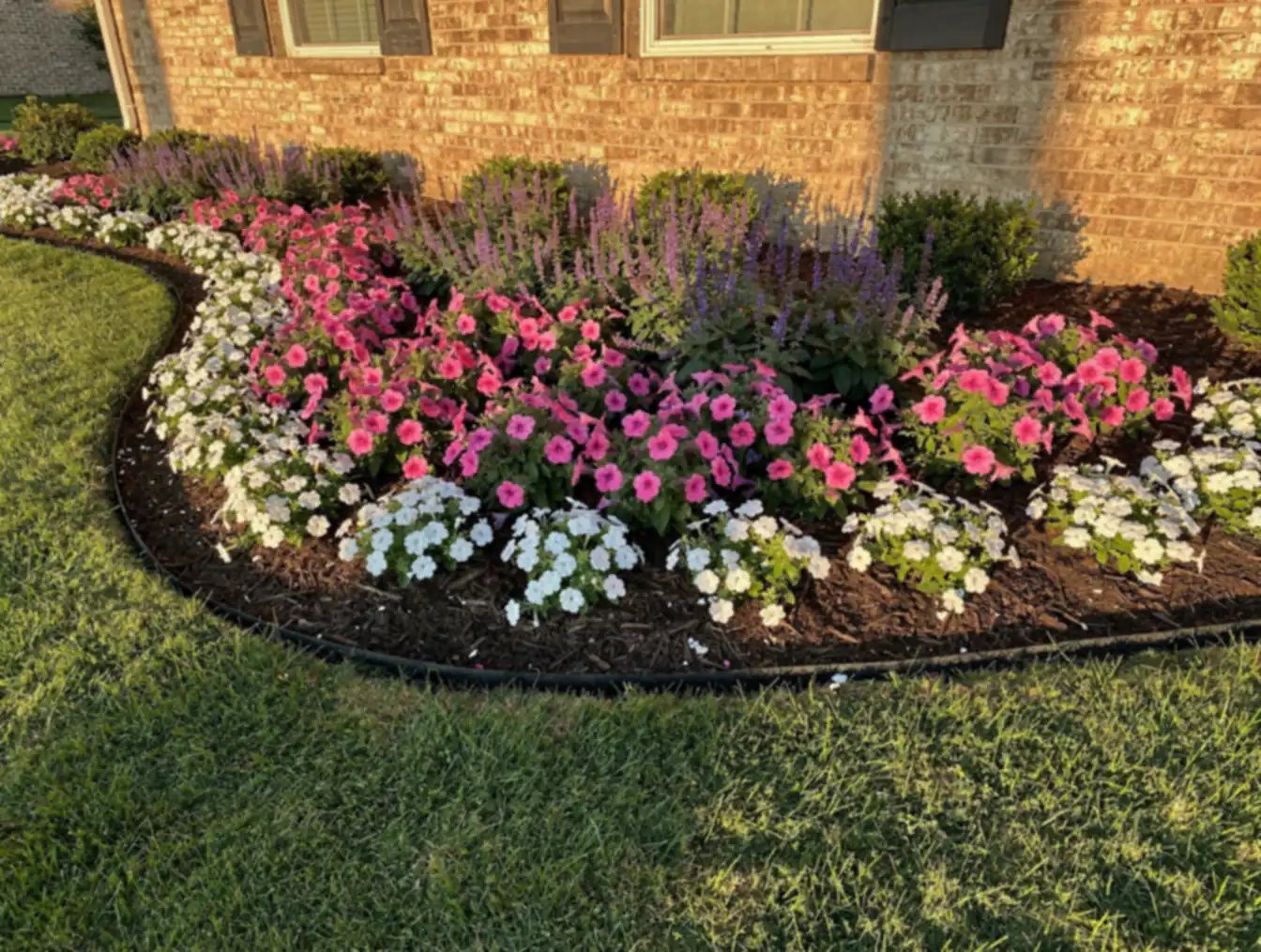
Out in the lawn, weed control has room to work. In a flower bed, everything is close quarters — weeds grow tight against the stems of shrubs and perennials, hide under mulch, and tuck in behind plants where they go unnoticed until they've taken the whole bed. You can't blanket-treat any of it without risking the plants you actually want, which is why beds defeat so many weekend efforts.
Mulch slows weeds down — it doesn't stop them
A good mulch layer suppresses a lot of germination, but weed seeds also blow in on the wind and germinate right on top of the mulch, rooting down through it as it breaks down. That's why a freshly mulched bed can be sprouting weeds within weeks. Mulch is a helpful teammate; it was never the whole defense.
Your lawn is invading your beds, too
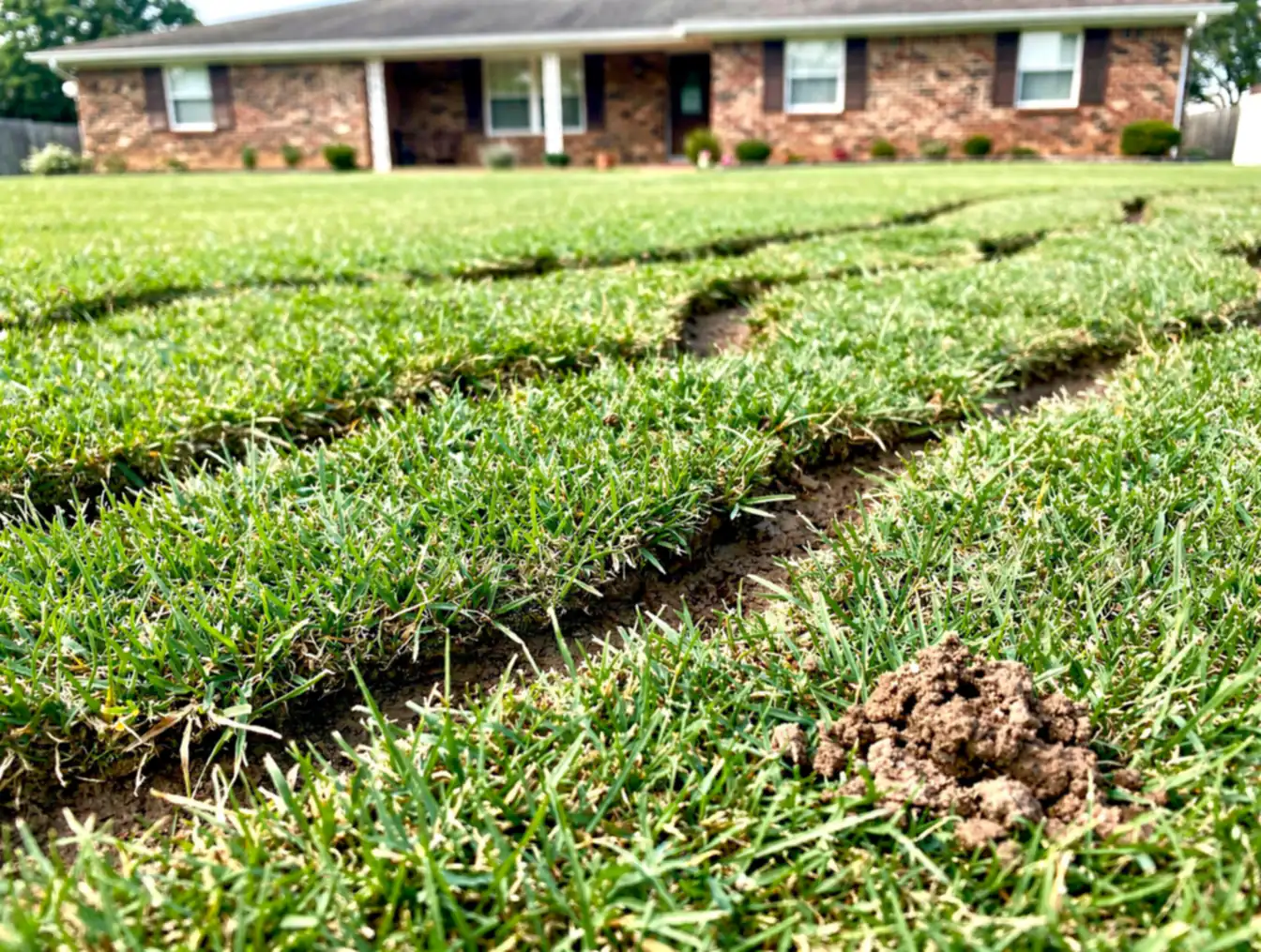
The same runners that make bermuda a great lawn make it a stubborn bed invader. It creeps under edging, travels below the mulch, and surfaces in the middle of your plantings. Pulling it just breaks the runners and leaves the rest. Getting bermuda out of a bed takes targeted treatment, applied carefully so the ornamentals around it aren't touched.
How we treat beds
First we identify what's planted on purpose versus what showed up on its own — that distinction drives everything. Weeds that are up get careful, targeted treatment, applied specifically rather than broadcast. Then a bed-safe pre-emergent goes down to stop the next generation from sprouting through the mulch. The result over time: crisp mulch lines, visible plants, and beds that look intentional again.
It's season-long work, not a one-time rescue
New weed seeds arrive in every bed all year — spring flushes, summer heat-lovers, and winter annuals settling in as beds go quiet in fall. Bed treatments run alongside our lawn weed control visits through the season, including fall cleanup timing that sets beds up to sit clean through winter.