What Munford lawns are up against
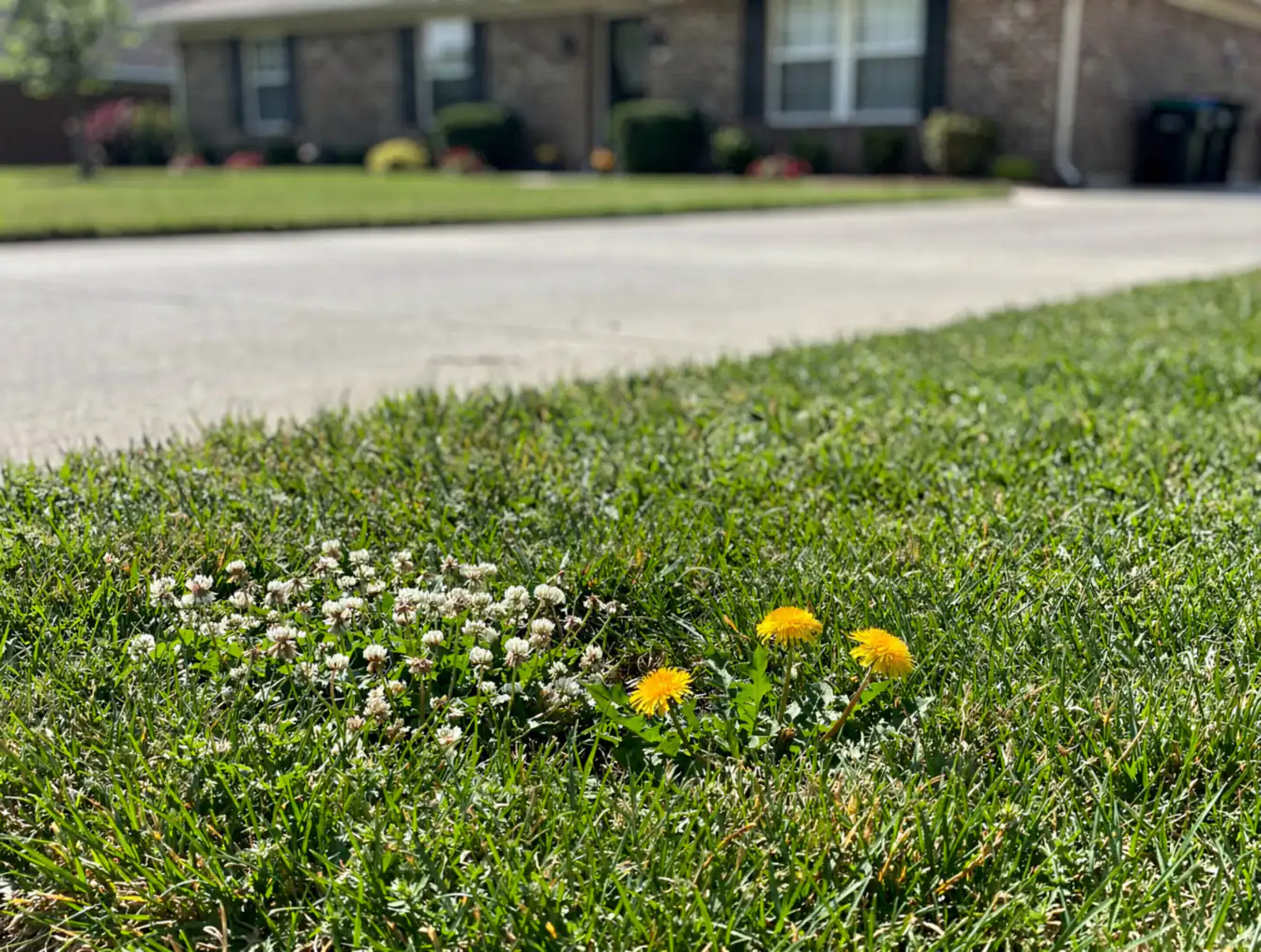
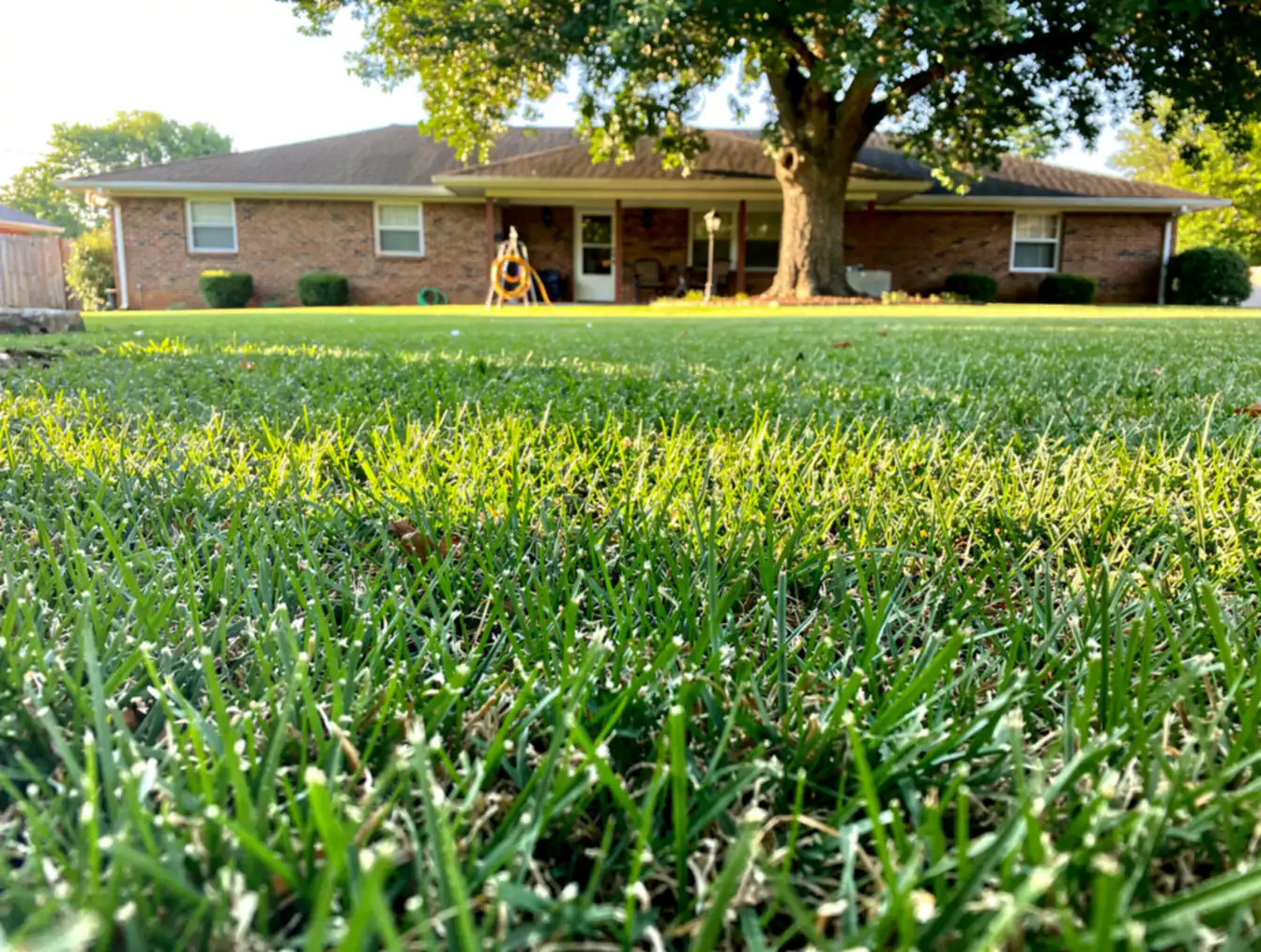
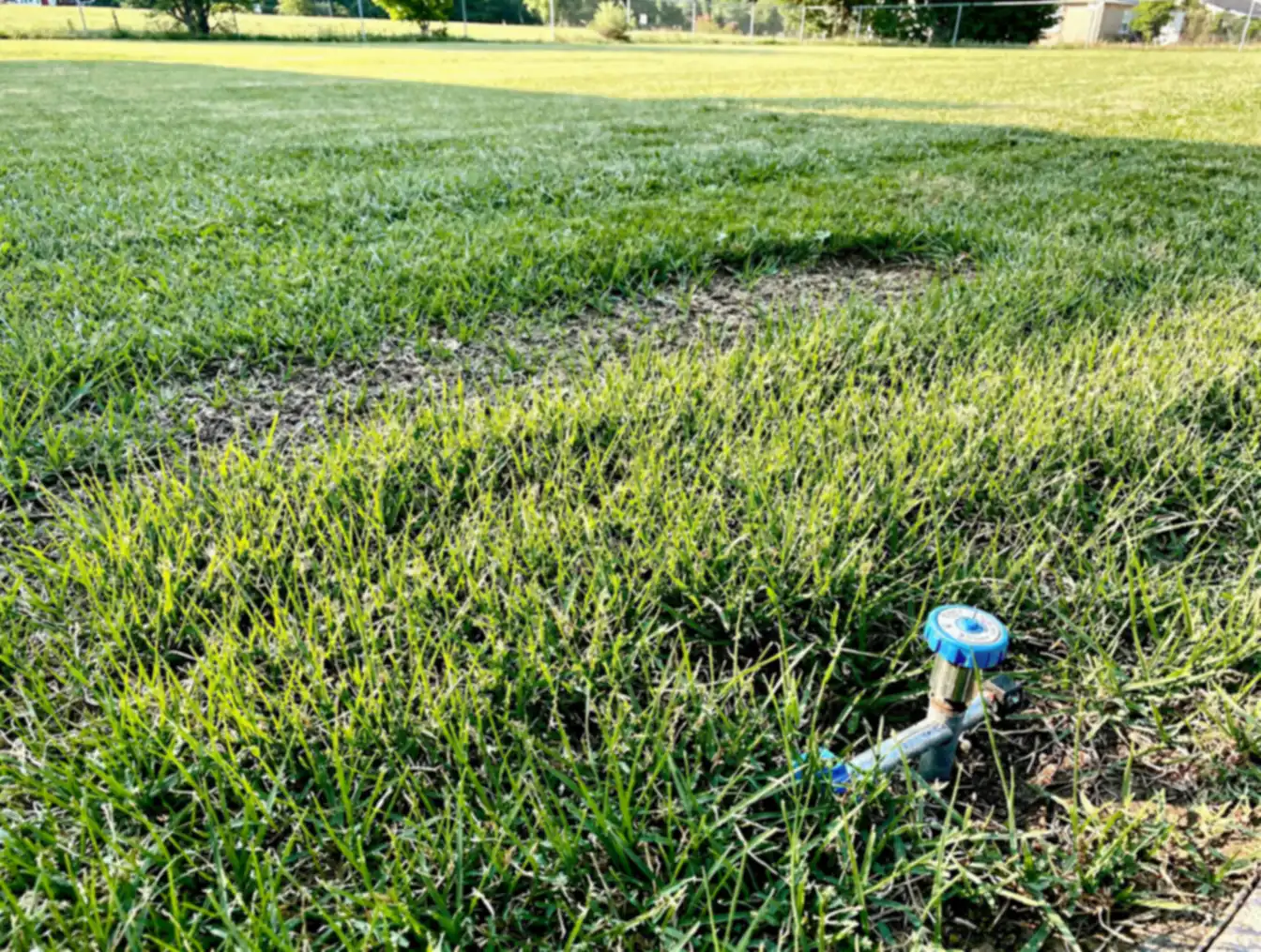
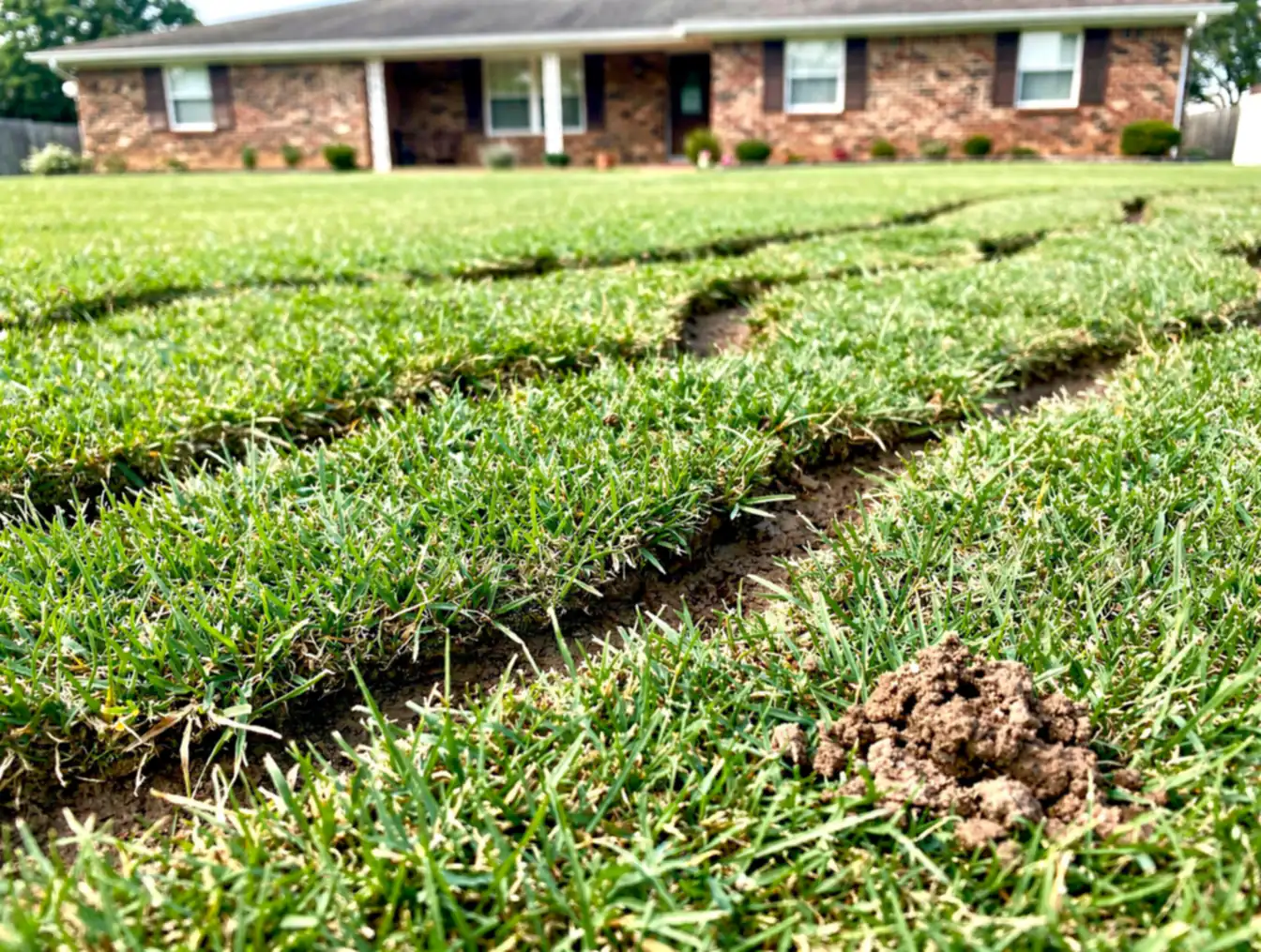
The older streets in Munford have what the new subdivisions don't: real topsoil, settled ground, and mature trees. That's mostly good news for grass — except the trees kept growing. Yards that grew thick bermuda twenty years ago now sit in half-shade, and bermuda is honest about shade: it thins, then it quits. Those thin patches don't stay empty. Winter annuals move in first, which is why an older Munford lawn in February can look purple with henbit.
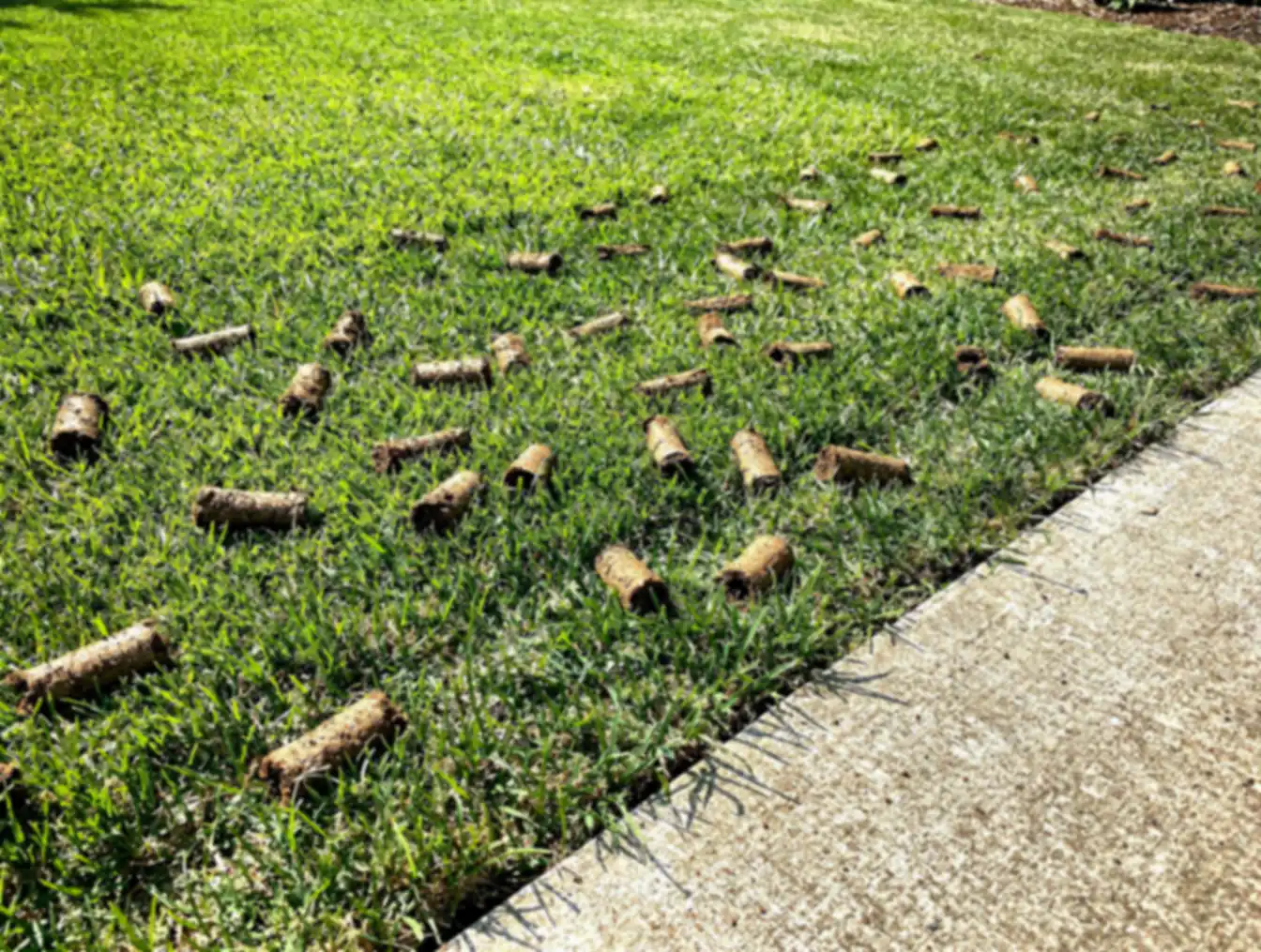
The newer builds on the edges of town behave more like Atoka lawns: sod over graded ground, full sun, fast-heating soil, heavy crabgrass pressure. Two lawns a mile apart in Munford can need nearly opposite emphasis — one needs a frank call on shade and some seeding decisions, the other needs compaction relief and a strong pre-emergent wall.
Where a yard has gone to real shade, the realistic options are fescue, more light, or mulch. We'll tell you which — not sell you bermuda seed for ground that can't grow it.
Around town
Munford wears its parks well — the city keeps six of them, with ballfields, a fishing lake, a dog park, and even a skateboard park — and the streets around Munford Elementary, Munford Middle, and Munford High hold a little of every housing era the town has built. McLaughlin Drive and Education Avenue sit right in the middle of established-lawn territory.
Timing for Munford
In Munford, fall does the quiet heavy lifting. Older, thinner lawns here are where chickweed, henbit, and poa annua get their start once nights cool, so the late-summer and fall applications set the barrier that decides how green — or how purple — a yard looks in late winter. Spring still matters, but the older half of this town is won or lost in the fall.
Woodlawn Lawn Care is based in Brighton, TN 38011 — Munford is a short drive from the shop, and it shows in how often we can be there.