Moles aren't eating your grass
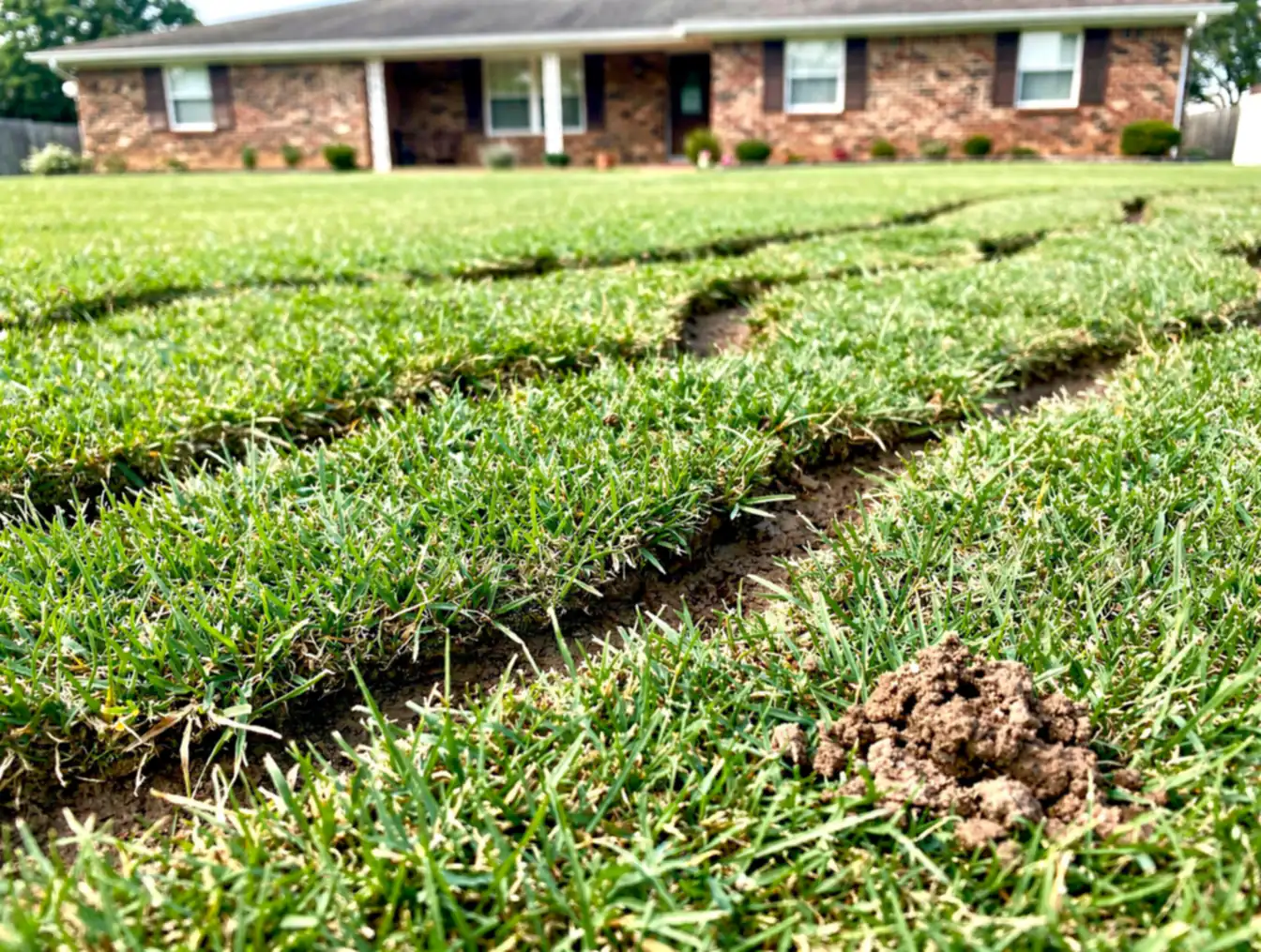
They're hunters, not grazers — a mole eats close to its own body weight every day, and none of it is turf. Those raised ridges crossing your yard are feeding tunnels: a supply line running wherever the food is. Which is why fighting the tunnels never solves anything. The tunnels aren't the problem. What's under them is.
There are two halves to this job, and they run on different clocks
Trapping deals with the animal actually working your yard — it's the direct part, and it's the part you can see the result of. The grub treatment deals with why the yard was worth working. That one takes time. Grubs don't vanish the afternoon the granules go down, and a lawn that's been a buffet for two seasons doesn't stop being one overnight. Anybody who tells you a single application empties the yard by the weekend is selling you something.
The part worth knowing: earthworms
Studies of what moles actually eat put earthworms at somewhere between 55 and 93 percent of the diet. Grubs are on the menu, but they're the side dish. And grub treatments don't affect earthworms — you wouldn't want them to, since earthworms are one of the better things happening in your soil. That's the honest reason nobody can hand you a permanent fix on the food side alone: a mole's main food isn't something we can or should take away. It's also exactly why we trap rather than leaving it all to the granules.
What treating grubs actually does
A heavy grub population turns a lawn into a concentrated, easy meal, and that's the kind of yard moles work hardest. Reducing grubs takes that concentration away — the yard goes from a hotspot back to ordinary hunting ground. Either way the treatment earns its keep on its own: heavy grub feeding chews up turf roots whether a mole ever shows up or not.
A nice lawn is a well-stocked pantry
Here's the part that surprises people: moles show up in healthy lawns. Well-watered, well-fed turf grows a generous population of worms and grubs beneath it. So mole activity isn't a sign you've neglected your yard — it's closer to a compliment. It just happens to be a compliment that wrecks the yard.
Fall is when the phone rings
Ridges turn up in new parts of the yard as the weather cools, and people assume the moles are multiplying. Usually they're just ranging farther. Once soil temperatures drop below about 50 degrees, grubs move deeper — four to eight inches down — to overwinter, and the mole follows the food down and out. Old ridges settle back on their own; what you're watching for is whether fresh ones keep appearing.