Seed is alive, and it has opinions about timing
Throw seed out during the wrong stretch and it cooks, rots, or sprouts just in time for weather that kills it. The catch around here is that there isn't one seeding window — there are two, and which one you're in depends on the grass. Bermuda wants hot soil, so it goes down from late May through July. Fescue wants the cooling stretch, so it goes down late summer into early fall. Inside the right window, seeding works. Outside it, you're mostly buying expensive bird food.
Bermuda for the sun — seeded into hot soil
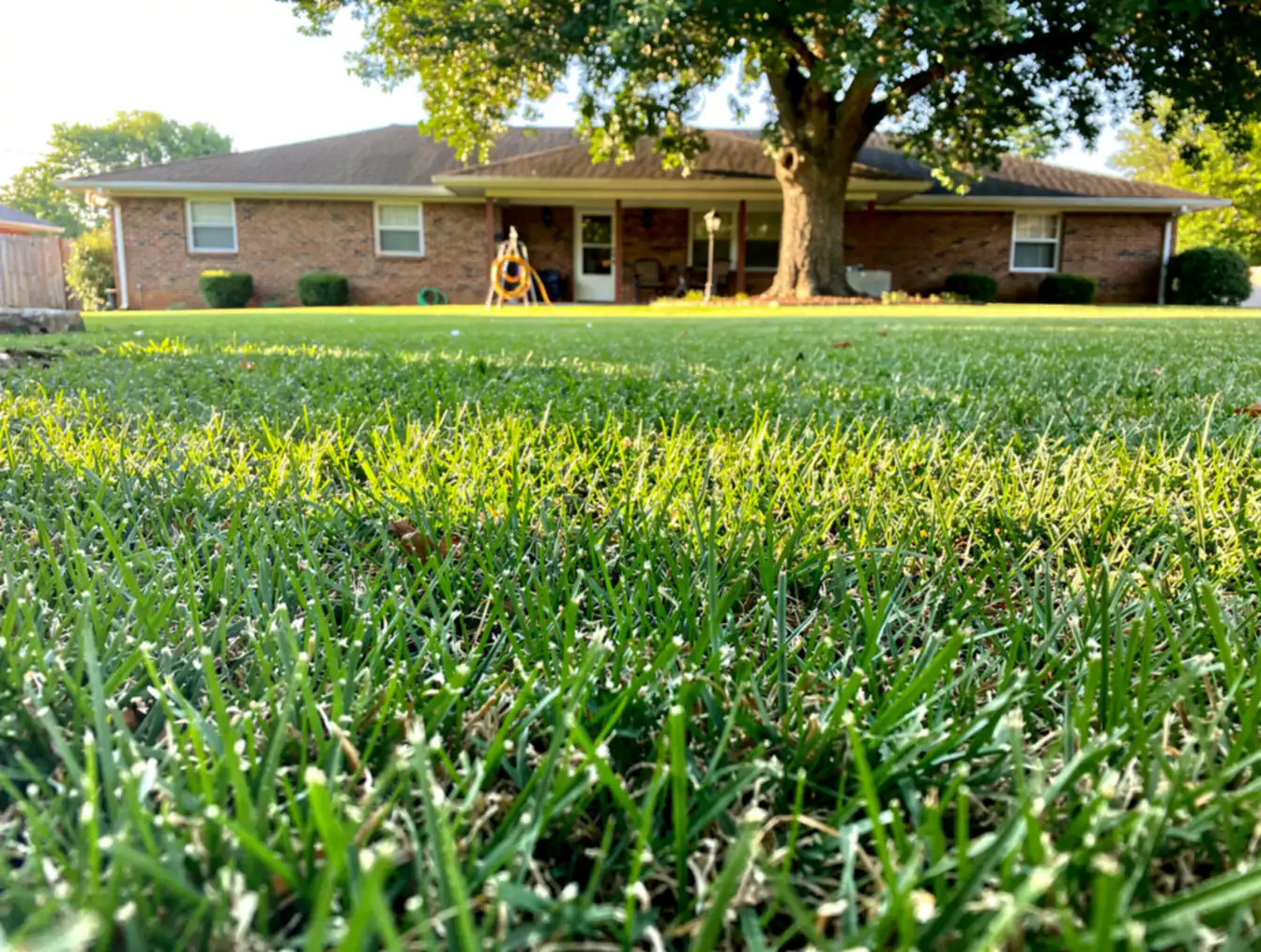
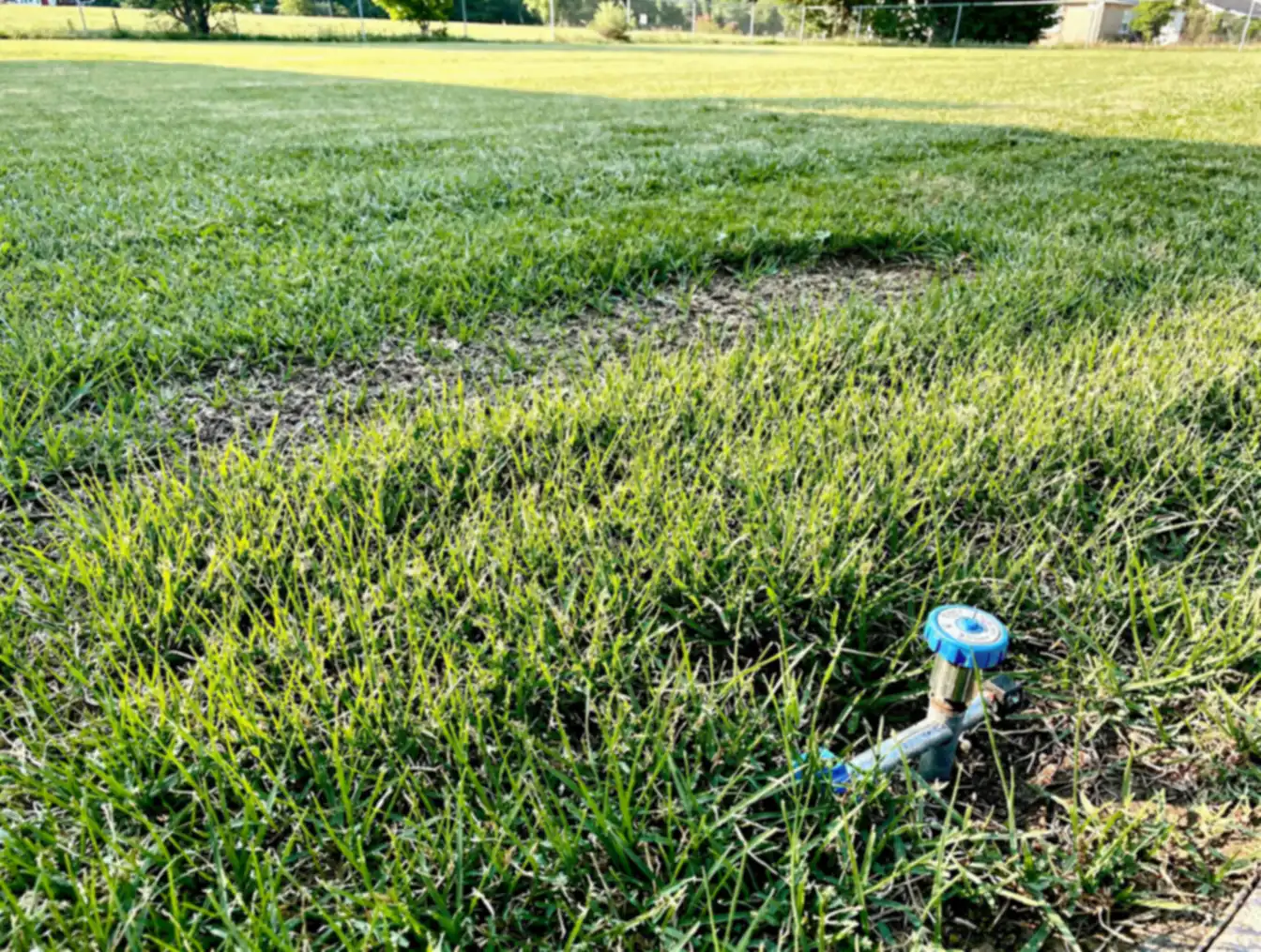
Bermuda is the backbone lawn grass of West Tennessee for good reason — it loves heat, spreads by runners, and repairs itself when it's healthy. Its seed needs genuinely warm soil to germinate, which puts the window in late spring and early summer, with months of heat still ahead for the young grass to root and run. Seeding thickens thin stands and closes bare patches in open sun, and once established, bermuda largely maintains its own density with proper feeding and weed control.
Fescue for the shade — and some straight talk
Bermuda needs sun, full stop. Under big trees it thins out no matter how much seed you throw at it, and reseeding the same shady spot with bermuda every year is a treadmill. Fescue honestly tolerates shade and holds green through winter, though it wants more water and care through our summers. Fescue also seeds on the opposite clock from bermuda — late summer into early fall — so the seedlings establish in cooling weather instead of walking straight into July. We'll tell you which grass fits which part of your yard — and if a spot is too dark for any grass to thrive, we'll tell you that too.
Seed has to touch soil
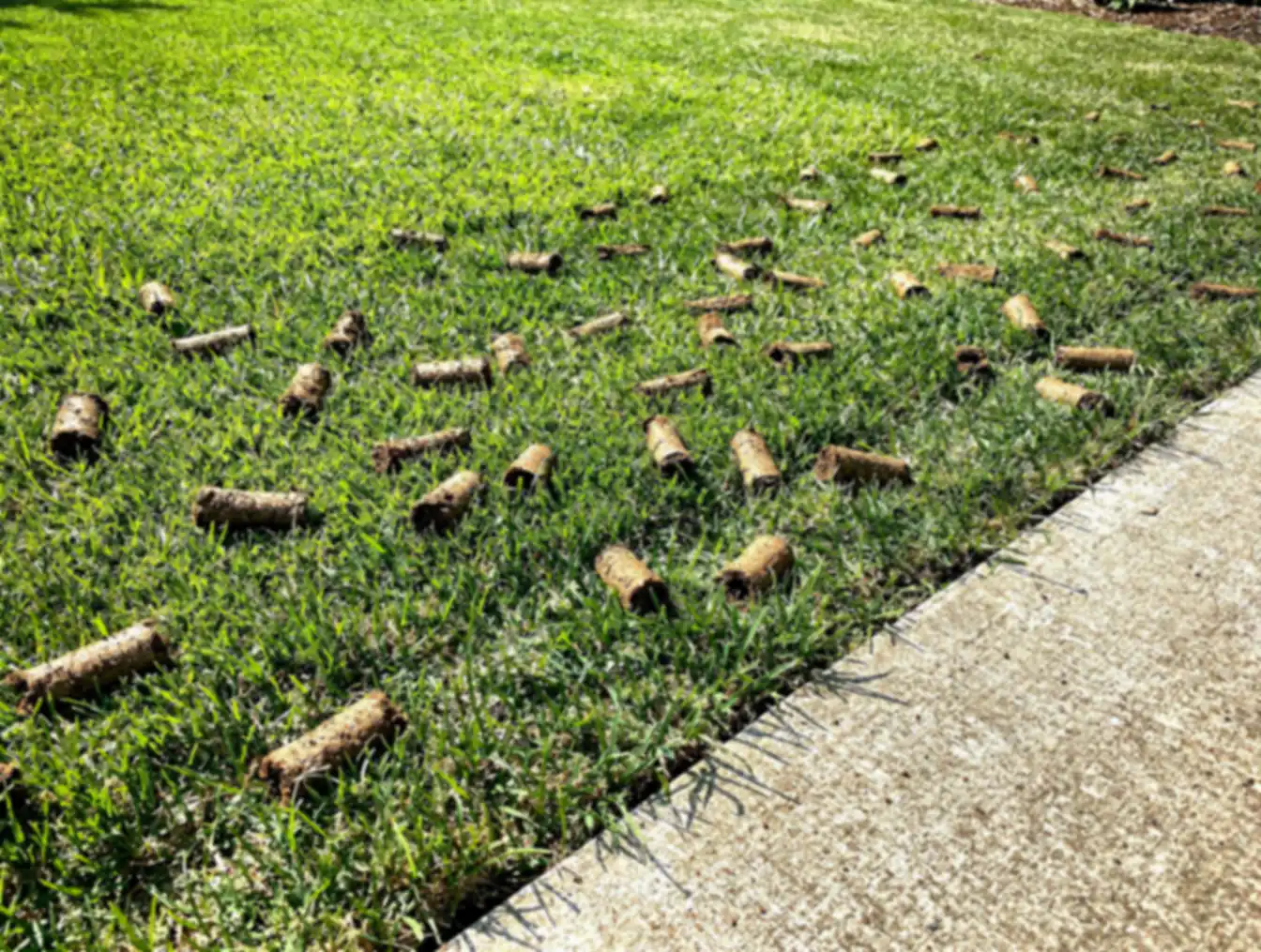
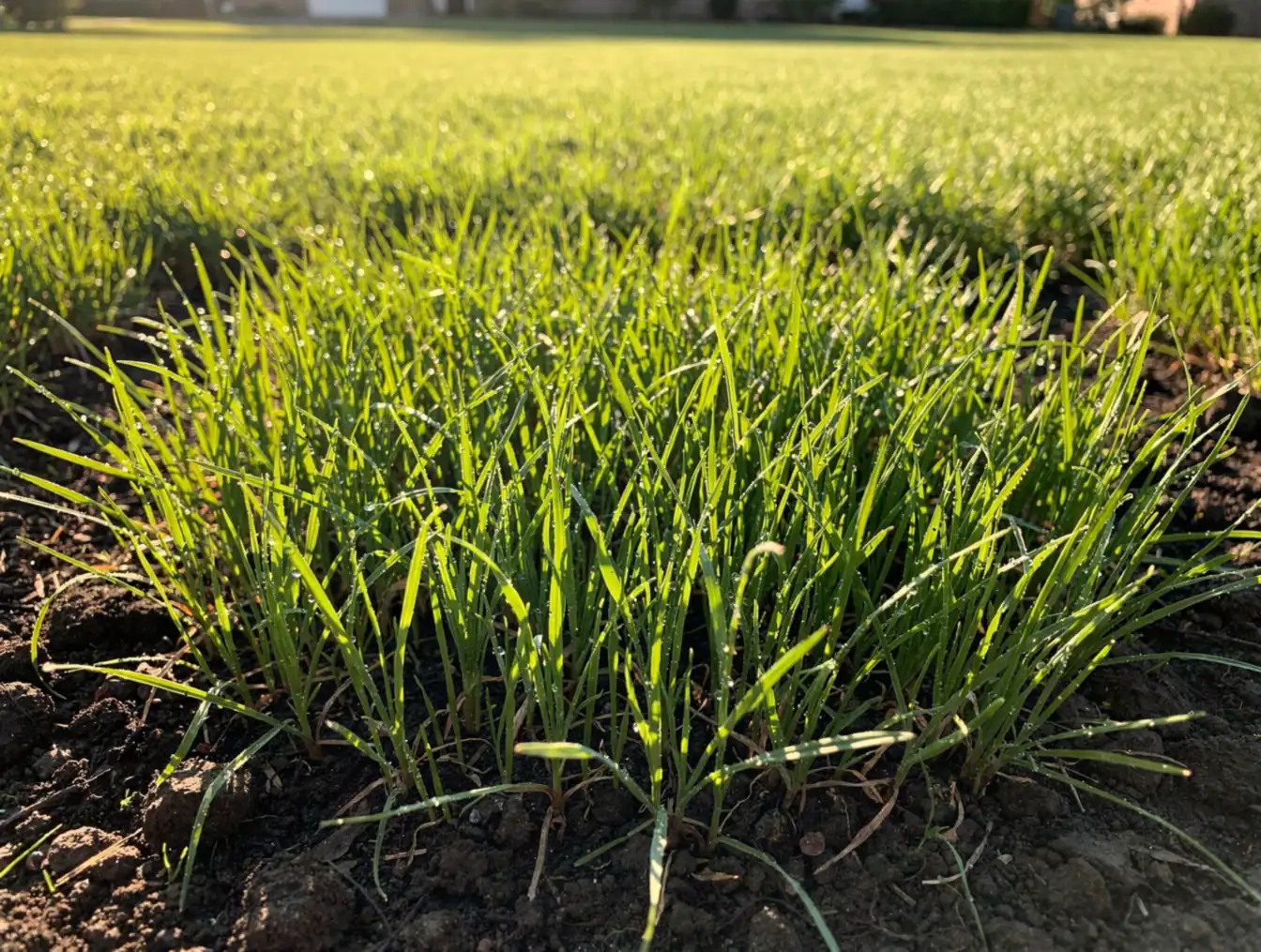
Seed resting on top of thatch dries out and dies — contact with actual soil is non-negotiable, and steady moisture while it establishes is a close second. That's why seeding pairs so well with core aeration, scheduled to match whichever grass is going down: the seed drops into thousands of freshly opened channels, which is about the best seedbed a lawn can offer.
Seeding and pre-emergent cancel each other out
A pre-emergent barrier can't read labels — it stops crabgrass seed and your new grass seed with equal enthusiasm. So seeding can't be an impulse; it has to be scheduled around weed prevention so the two don't undo each other. It's one of the clearest reasons seeding works best inside a planned treatment program instead of as a one-off.