What Bartlett lawns are up against
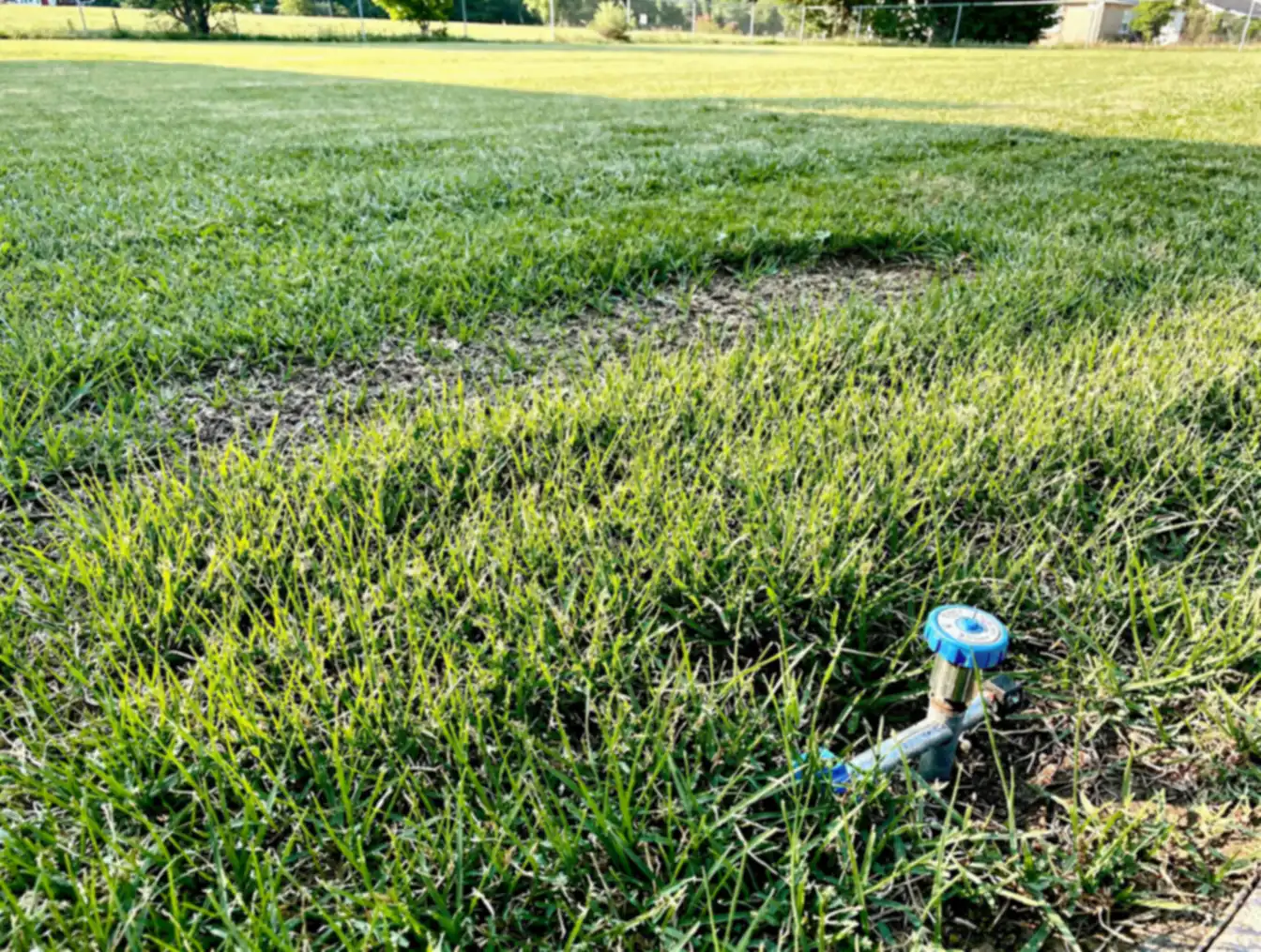
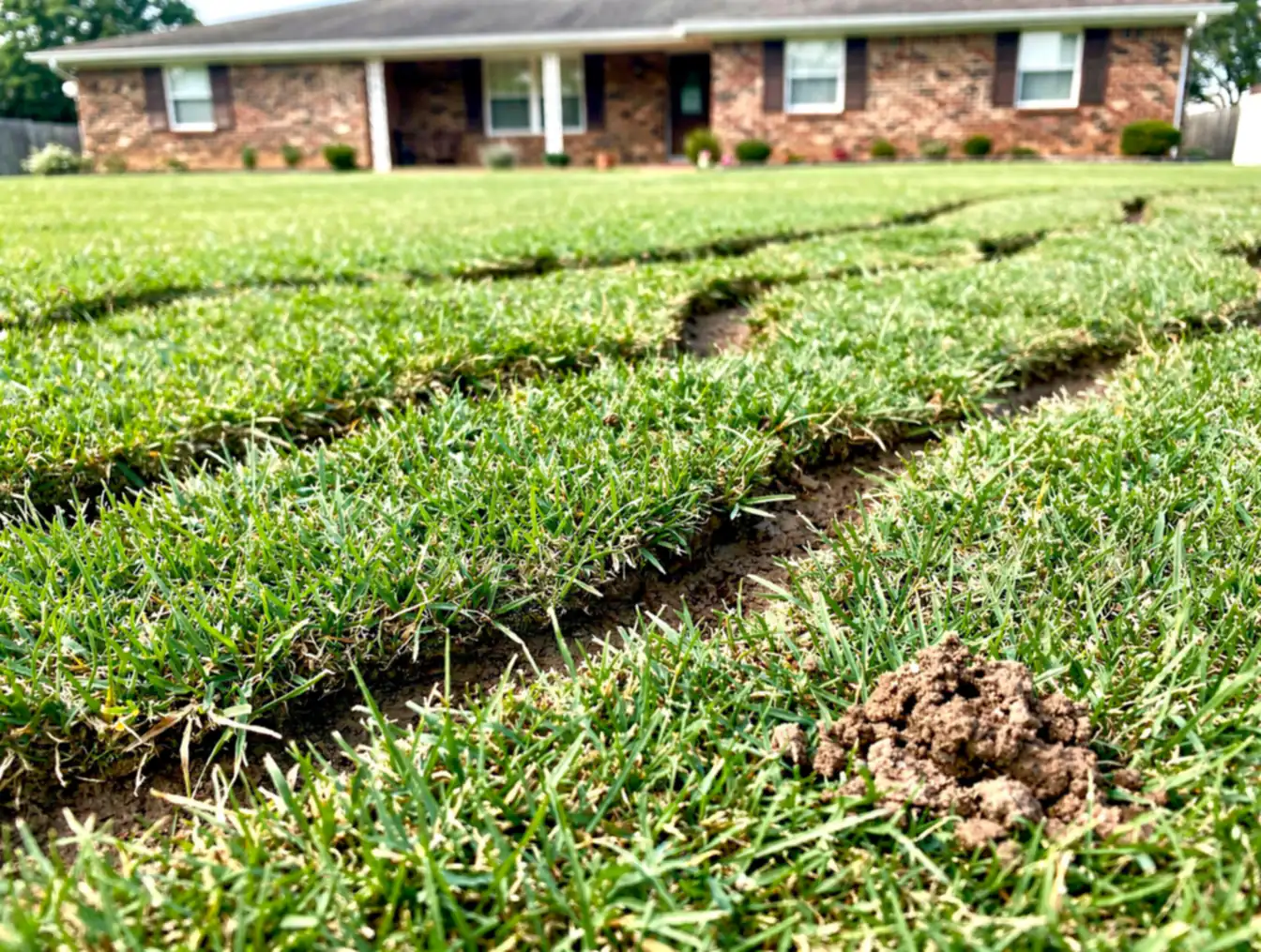
Bartlett's signature is canopy. The neighborhoods that went up in the 70s, 80s, and 90s planted trees that are now fully grown, and every one of those lawns has spent years adjusting to a little less light. Bermuda that filled a sunny new yard in 1988 now thins under shade it never agreed to, while the tree roots compete for the same water and nutrients the grass wants. It's a slow squeeze, and most homeowners only notice once the thin spots connect.
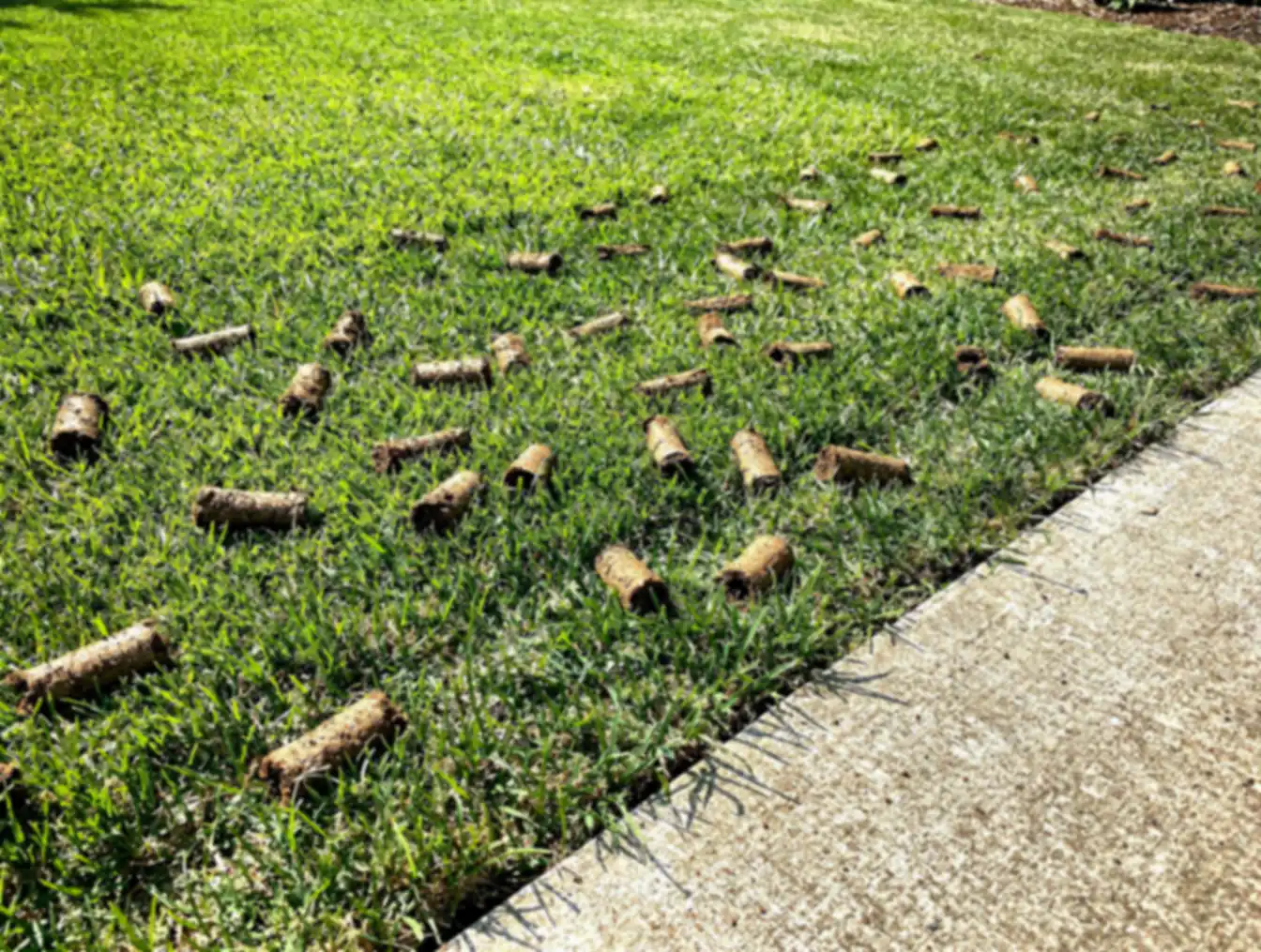
These are second-generation lawns in every sense — soil packed down by years of life, turf that's been patched and re-seeded along the way, and HOA standards that never aged a day. The work here is maintenance plus renovation: aeration to relieve ground that hasn't been opened in years, honest seeding decisions where shade has won, and season-long weed control so thin areas don't become weed beds while the turf recovers.
Bartlett's size means variety, too — sunny bermuda-country corner lots sit two streets from cul-de-sacs under closed canopy. We treat to the yard, not the ZIP code.
Around town
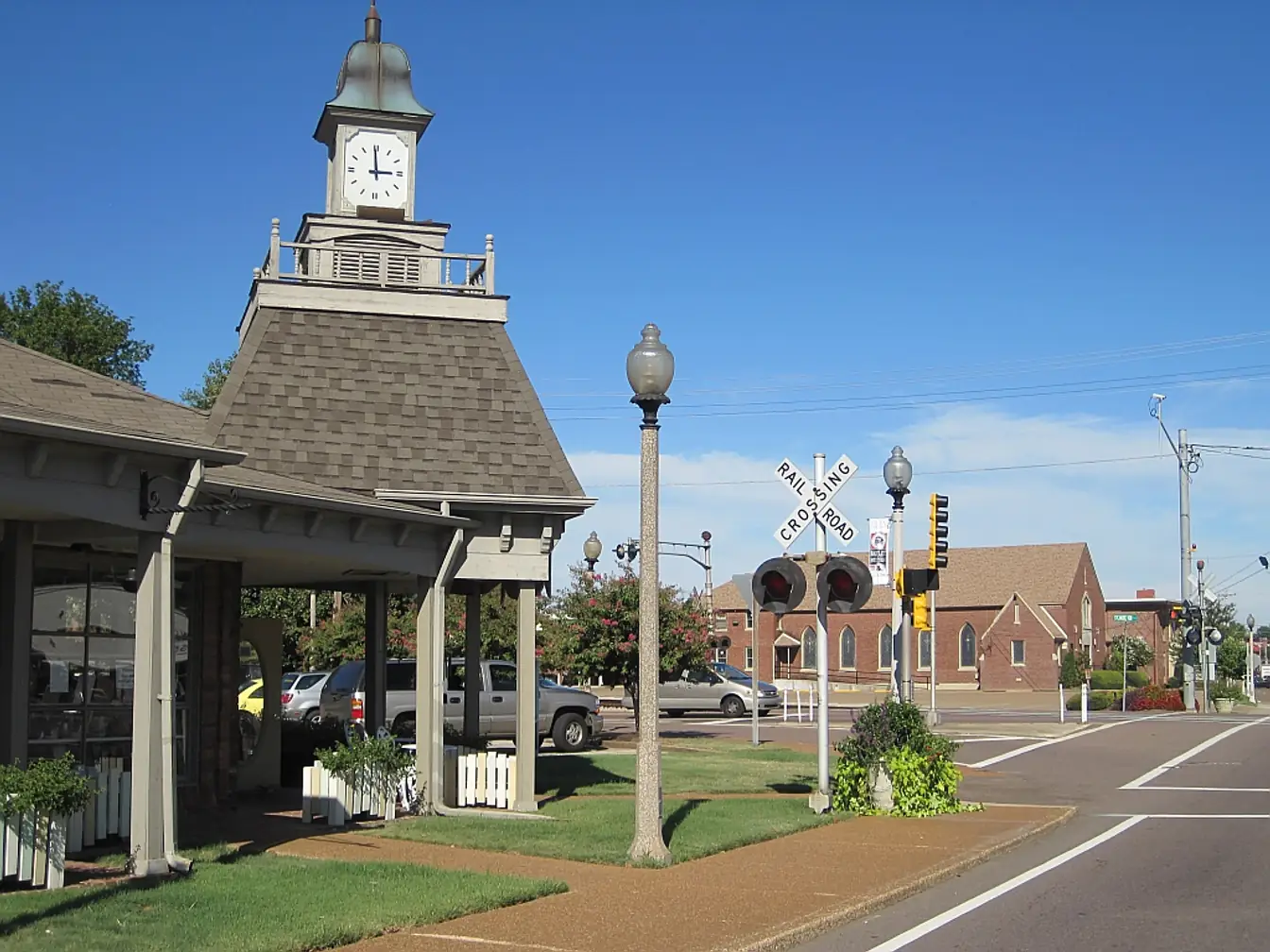
The neighborhoods around Nesbit Park — where the Stanky Creek trails run — and established areas like Oak Forest and Bartlett Estates are exactly the mature-tree, mature-lawn Bartlett we mean, with Freeman Park among the city parks that show off what old Bartlett ground can grow. It's the far end of our route from Brighton, and worth the drive.
Timing for Bartlett
Under canopy, spring runs late and patchy. Shaded Bartlett soil can lag open ground by a couple of weeks, so green-up looks uneven and homeowners worry early — usually the lawn is fine, just cold. We time pre-emergents to the sunny areas that warm first, then let shaded turf follow its slower schedule without calling it a problem. Late summer is the seeding window where fescue carries the shade.
Woodlawn Lawn Care is based in Brighton, TN 38011 — Bartlett is the far end of our route — and worth it. We're out that way every week in season.