What Rosemark lawns are up against
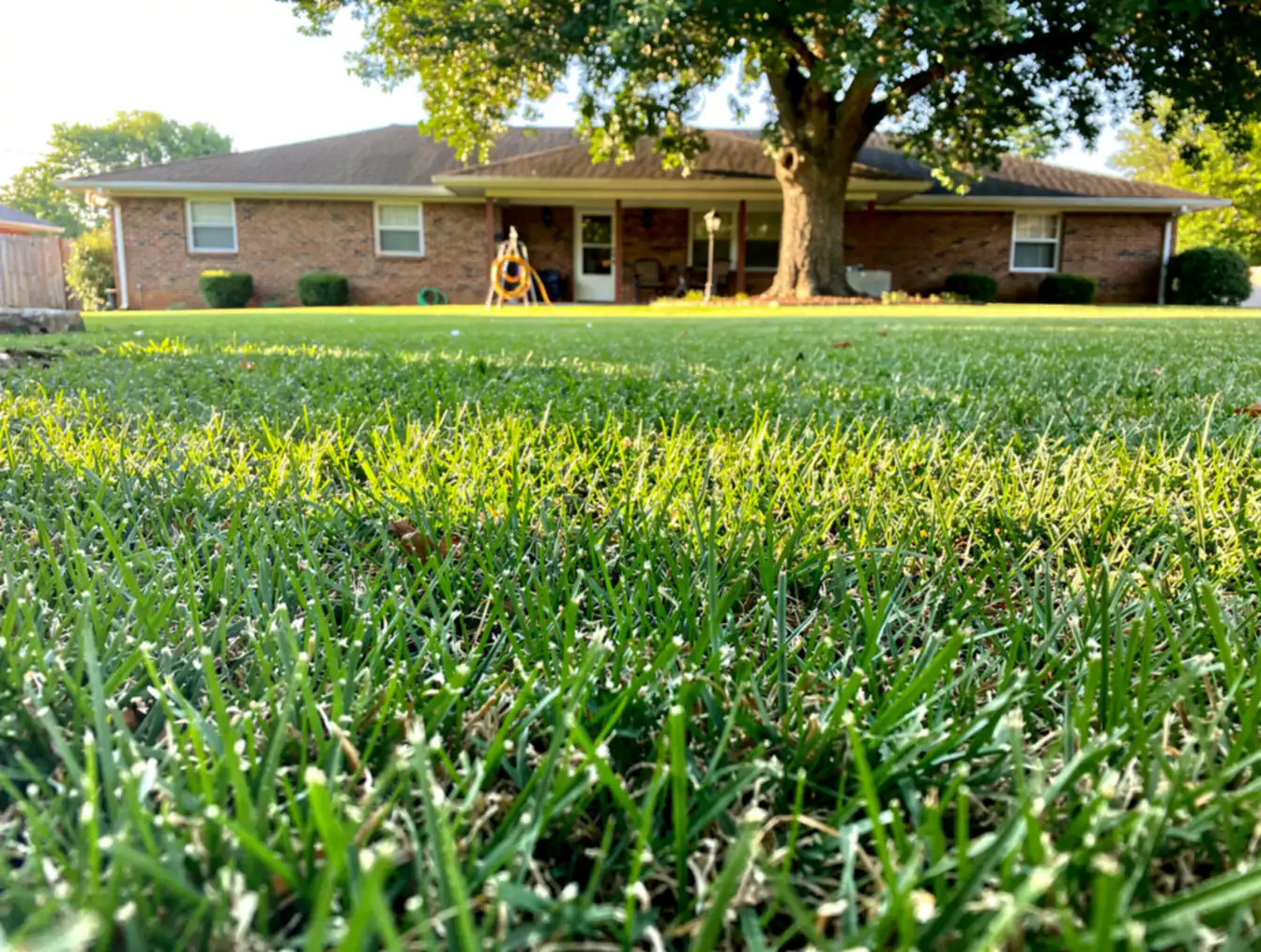
Rosemark's original name was Richland, and the ground earned it — this corner of northeast Shelby County was settled for its soil long before anyone cared about lawns. Compared with the scraped subsoil of new subdivisions, established Rosemark yards often sit on genuinely good ground: deep, dark, and generous. Bermuda on soil like this doesn't need coaxing. It needs steering.
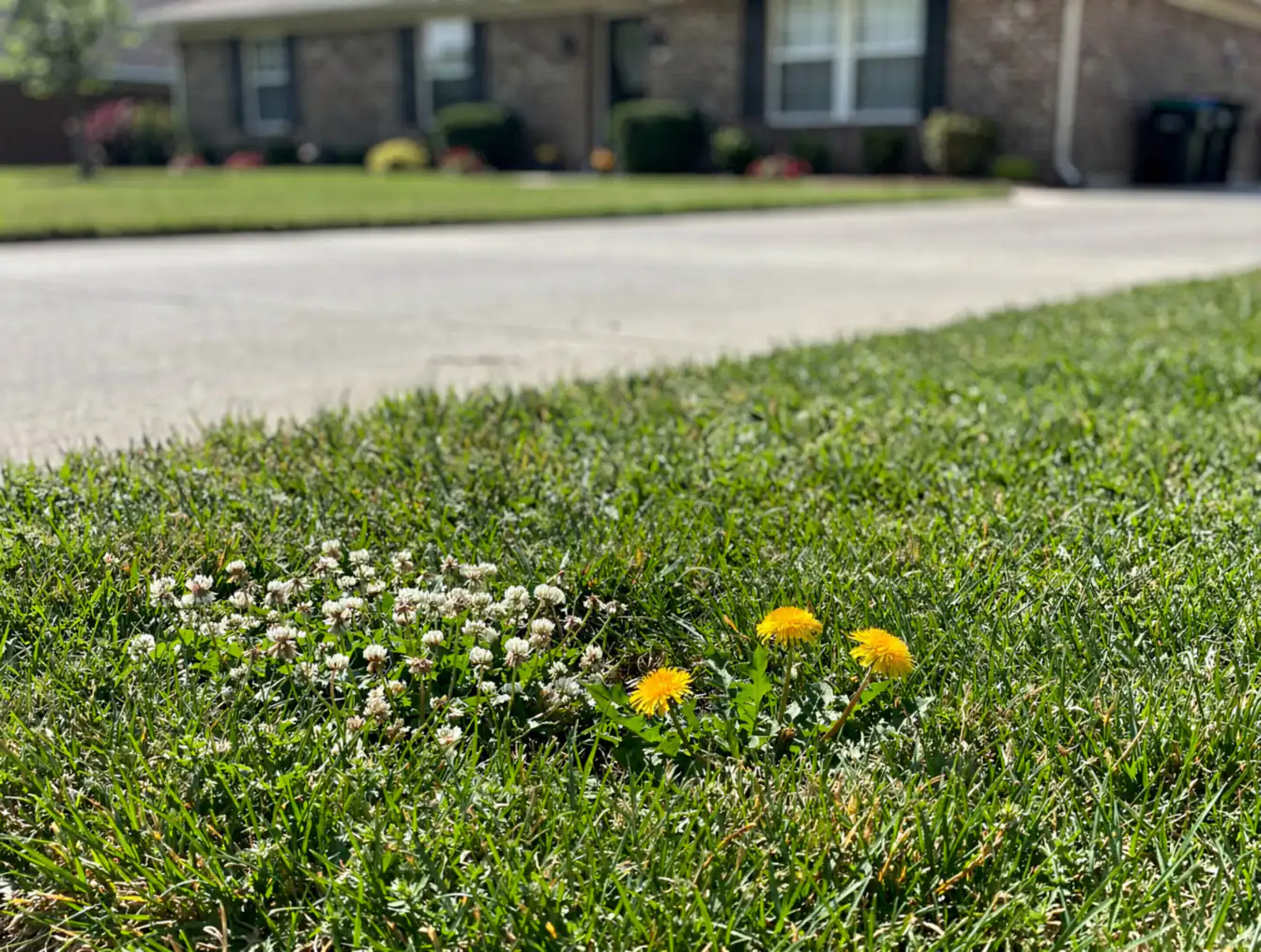
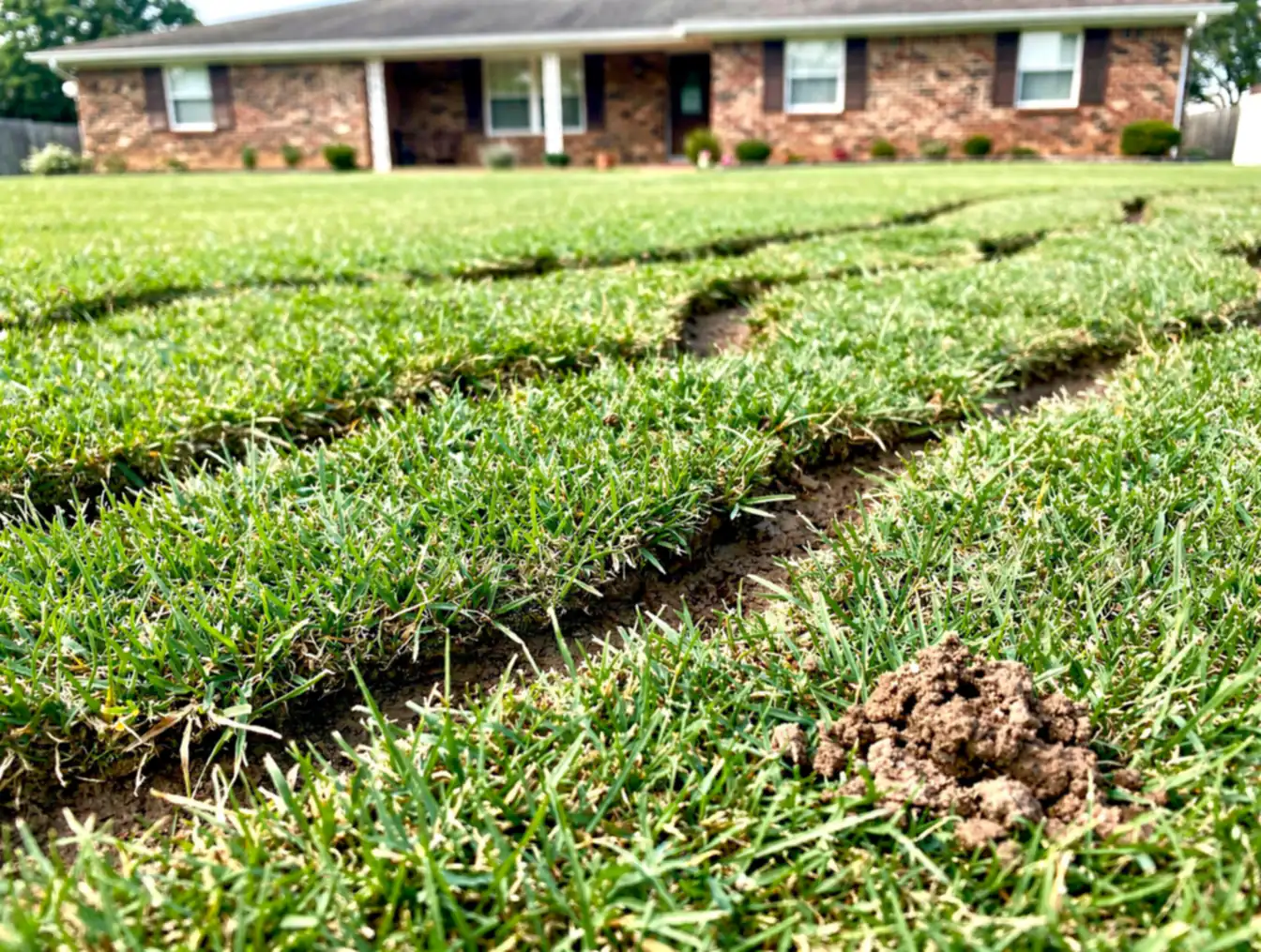
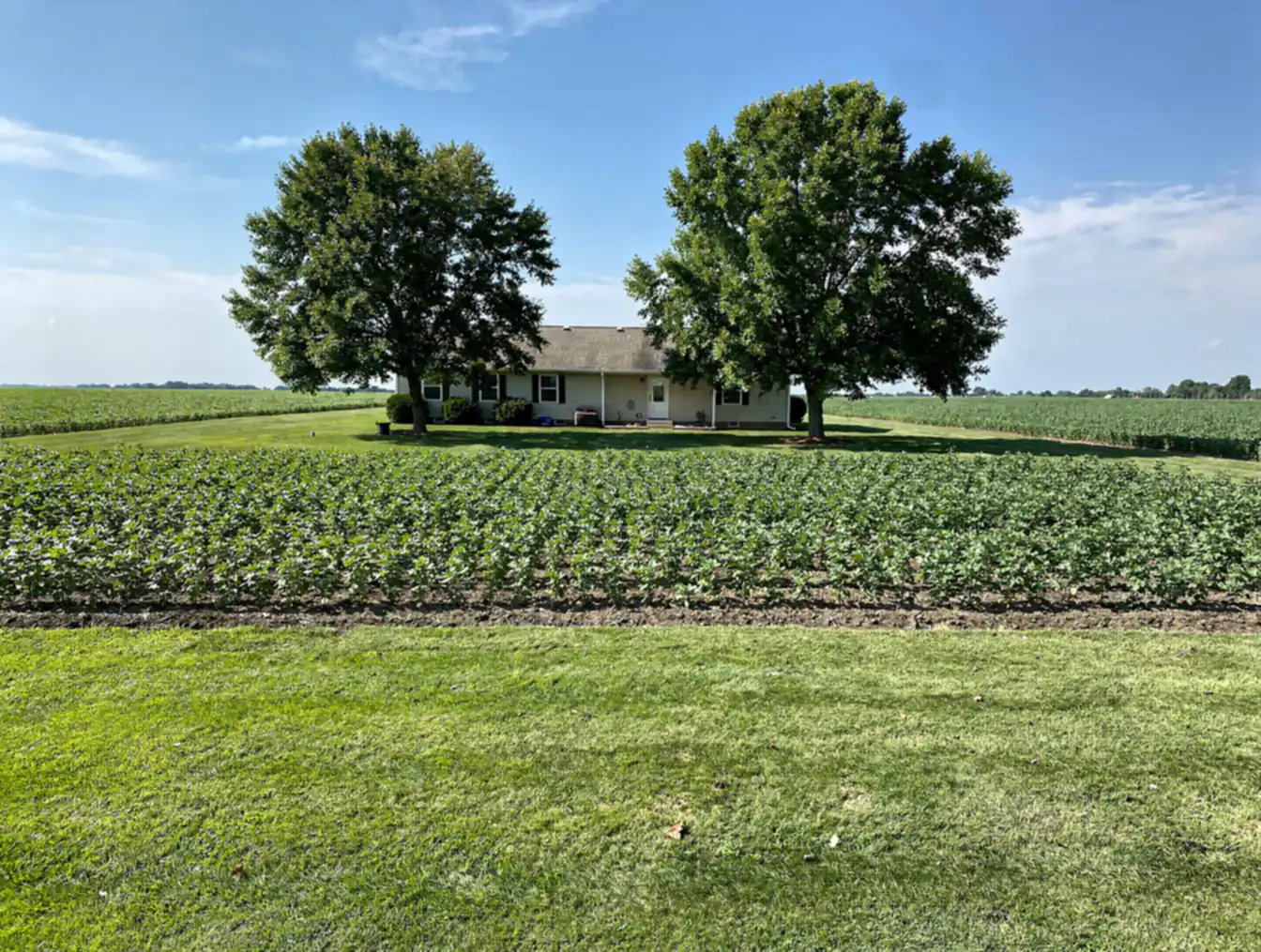
The setting brings its own pressures. Lawns here share fence lines with row crops and pasture, so weed seed rides in from the fields year after year, and grassy invaders keep testing the borders. Properties are large and mostly unwatered, moles work the rich soil hard — rich dirt means earthworms, and earthworms mean moles — and there's no city crew maintaining anything out here. What the yard gets is what the homeowner arranges.
Around town
Rosemark is the kind of place you either know or you don't: the historic core of the community — about 115 acres of it — is on the National Register of Historic Places, Tipton-Rosemark Academy has anchored the area since 1965, and the fields around them have been worked since the 1830s. We treat the home lawns tucked among all of it, out here in unincorporated Shelby County just below the Tipton line.
Timing for Rosemark
Good soil holds moisture and warms evenly, so Rosemark lawns tend to run right on the county's average clock — no open-ground rush, no shade lag. What the fields add is a fall consideration: harvest season stirs up ground and seed just as winter annuals are hunting for a home, so we make sure the late-summer and fall barrier applications are down and solid before it.
Woodlawn Lawn Care is based in Brighton, TN 38011 — Rosemark is a short drive from the shop, and it shows in how often we can be there.