What Mason lawns are up against
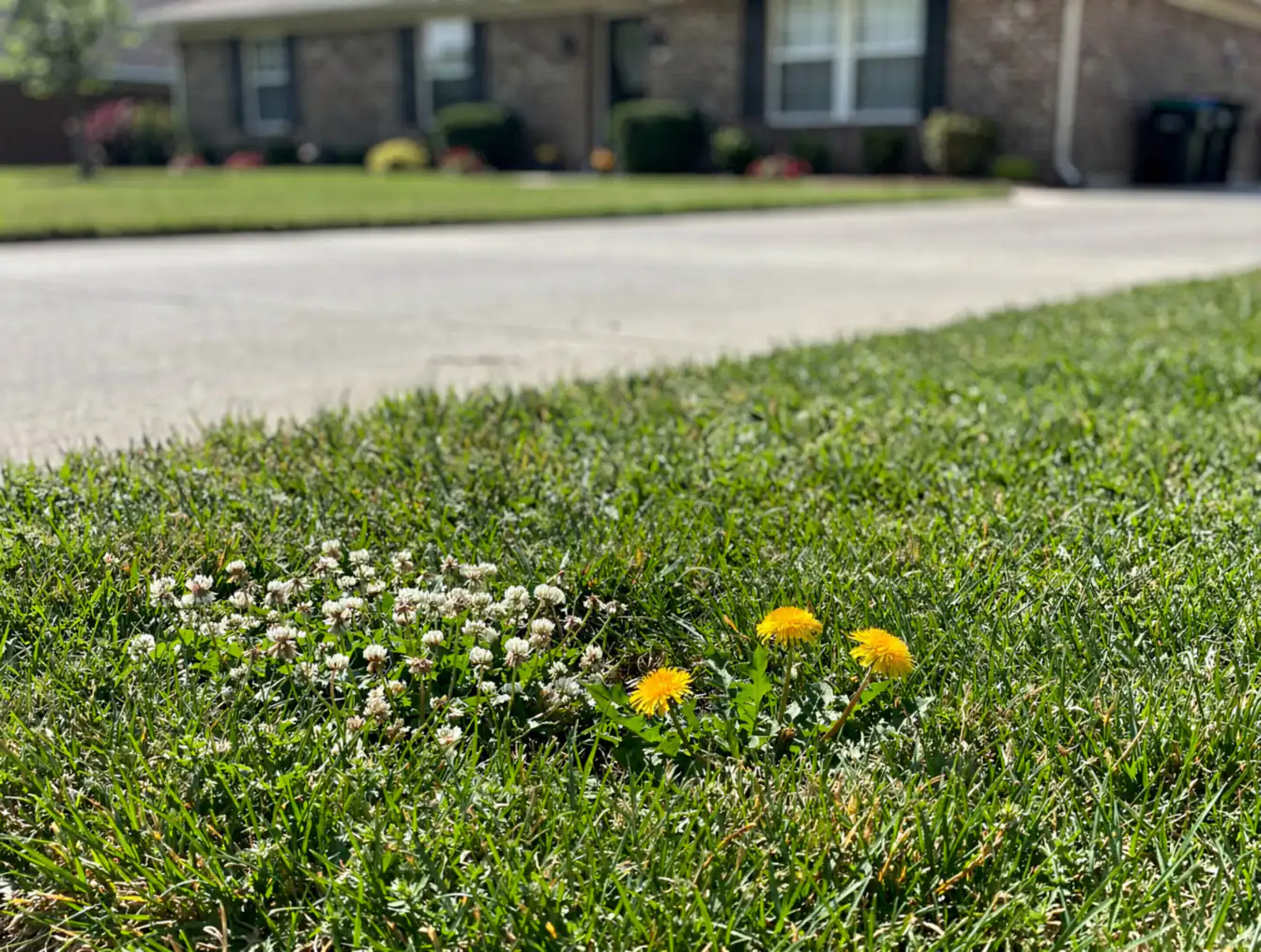
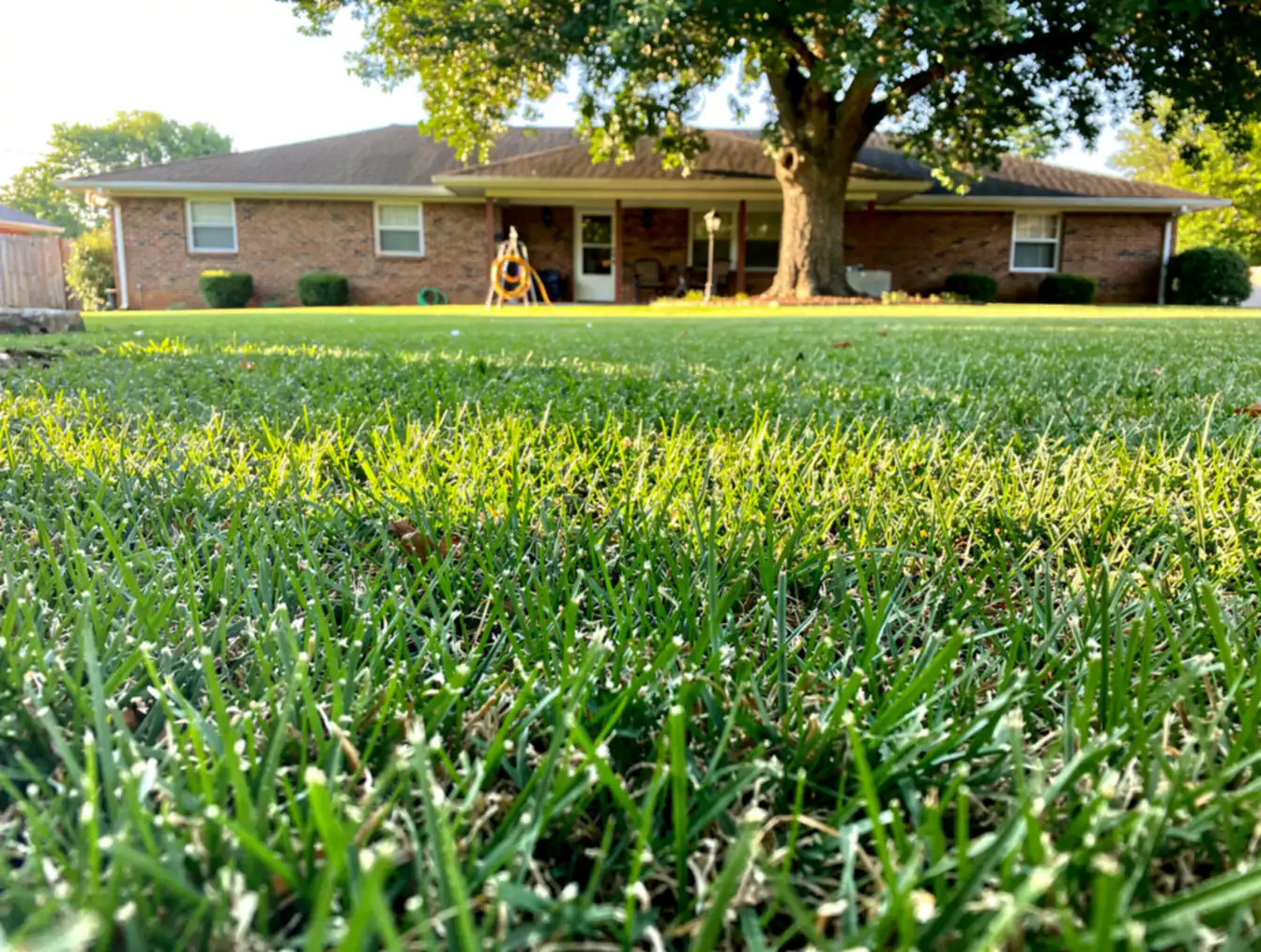
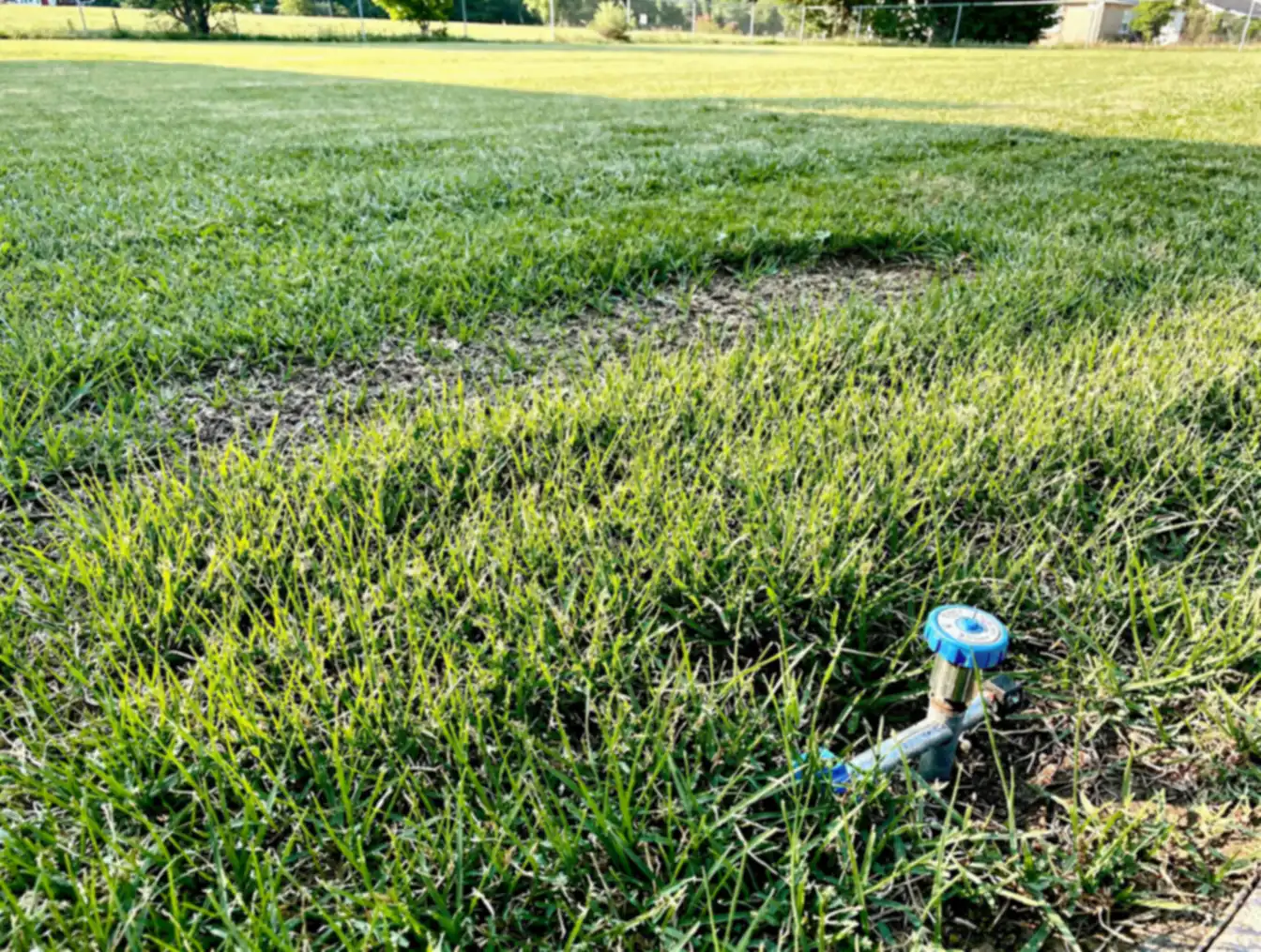
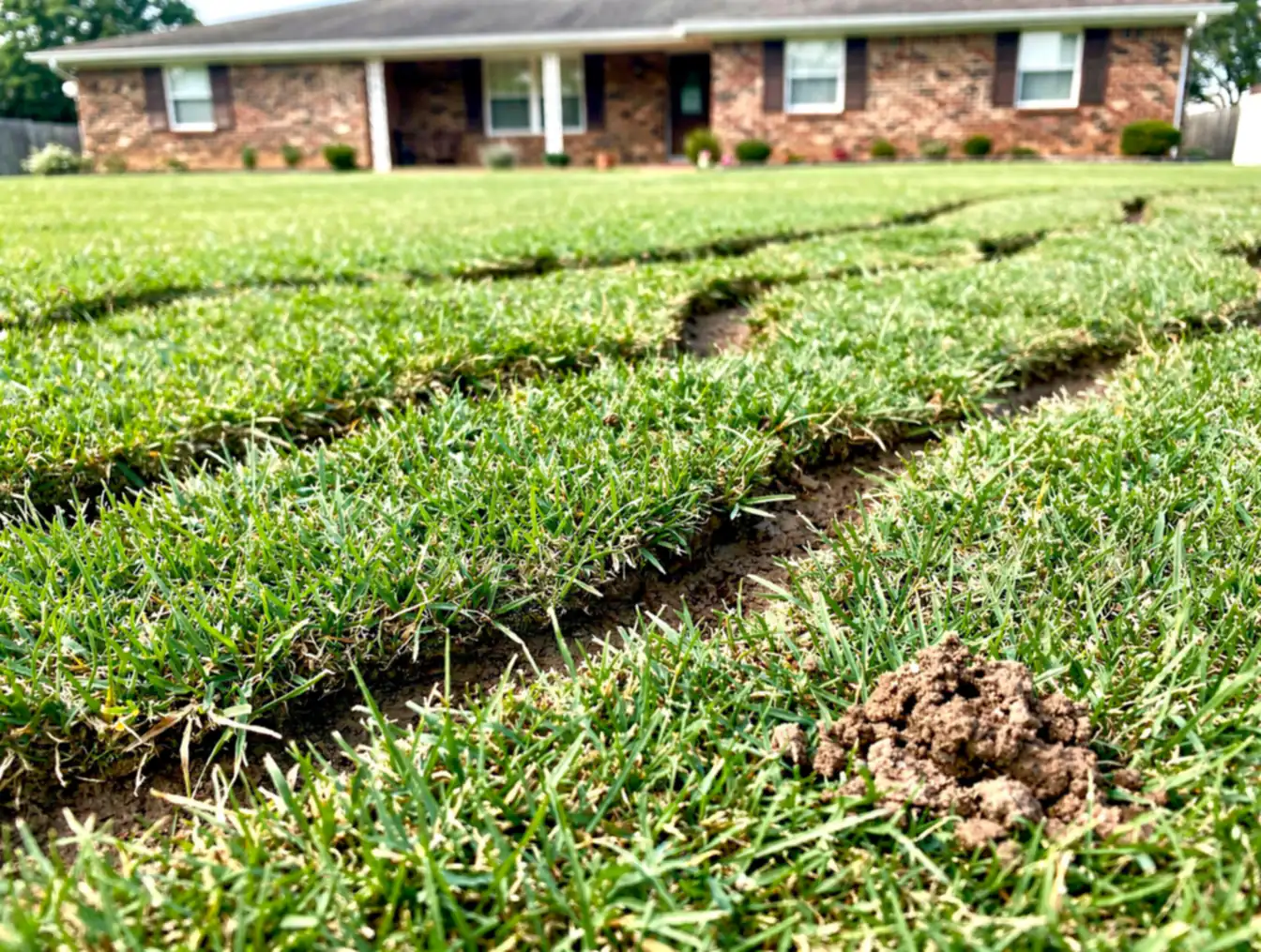
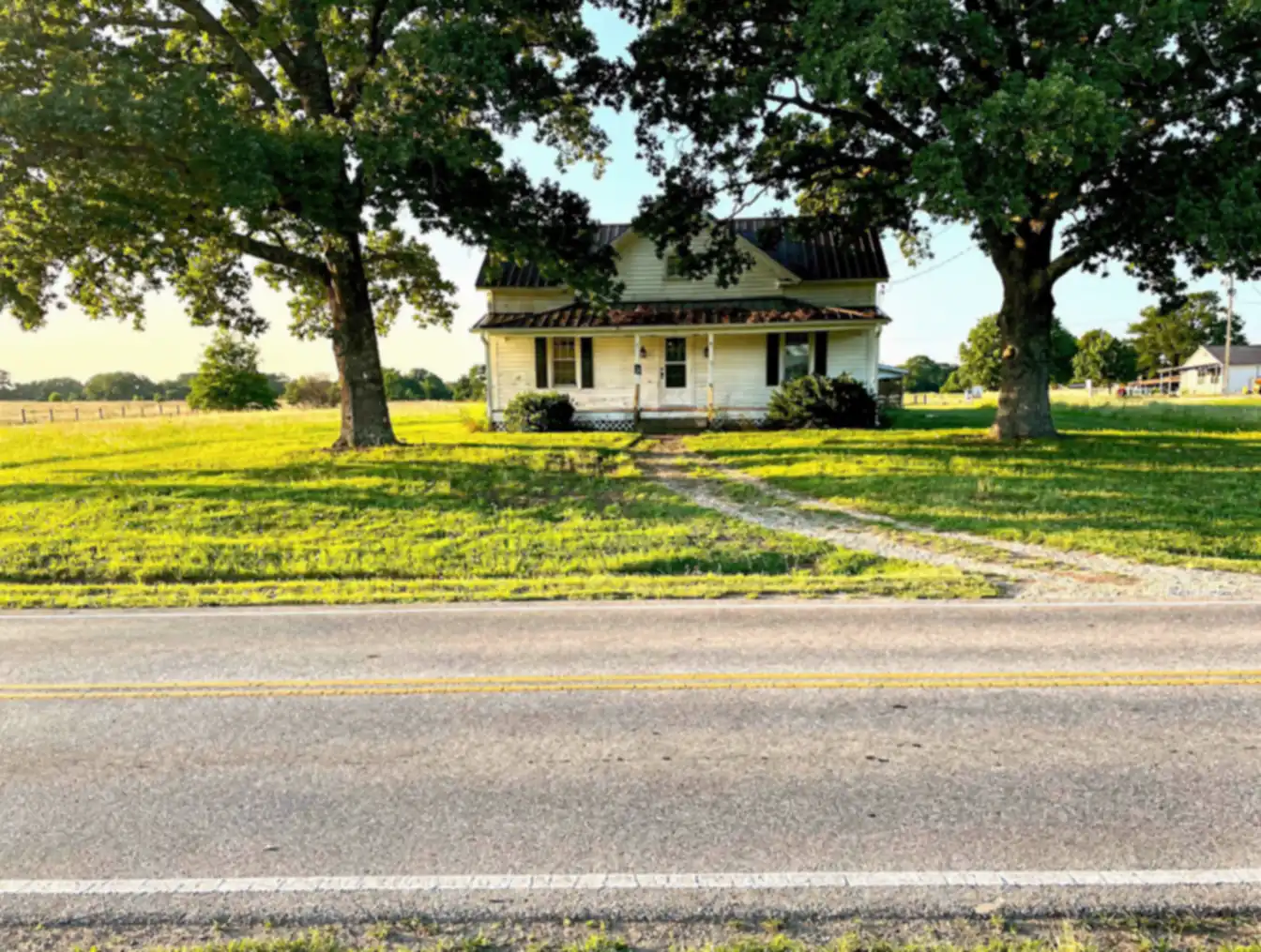
Most Mason lawns are long-established and lightly managed — common bermuda that spread on its own, filled in around whatever the years planted, and made peace with the weeds. Ground like that has real advantages: settled soil, deep organic matter, turf that's proven it can survive here. What it usually lacks is density. An old, never-fed lawn is thin, and thin is where clover, dallisgrass, and winter annuals live.
The rural edges bring farm-country pressure: yards bordering pasture or row crops inherit seed every season, and fence lines work inward. The counter is thickness — a fed, dense bermuda lawn closes the door that a starved one leaves open. That's why the full program tends to change old Mason lawns more dramatically than it changes younger ones. There's simply more headroom.
Around town
Mason's landmarks are edible — Gus's fried chicken has been pulling people off the highway since 1973, with Bozo's barbecue right across the way — and the town sits just north of I-40 between Covington and Somerville. The lawns we treat here are the old home places in town and the rural yards along the highways, not subdivisions.
Timing for Mason
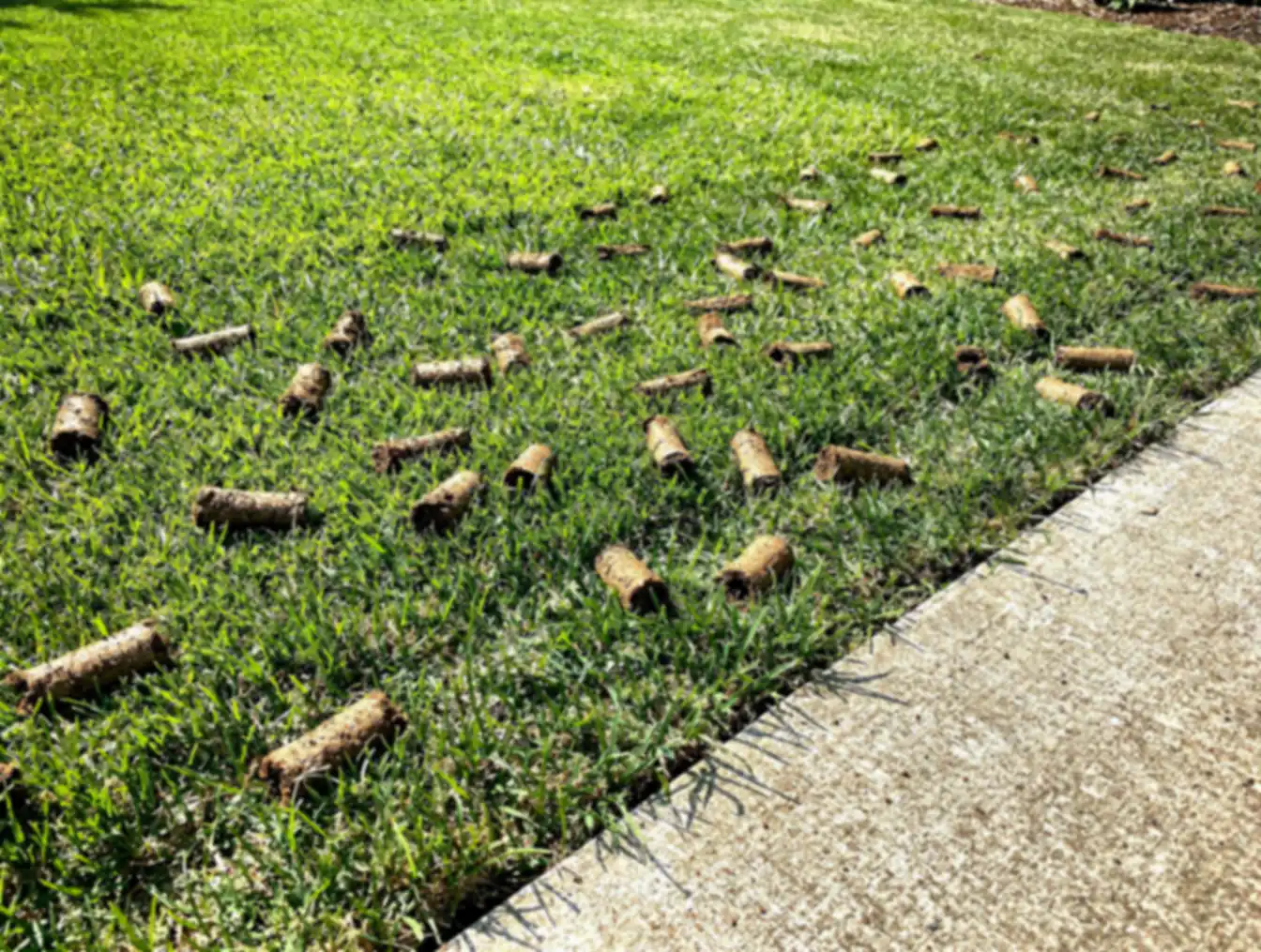
Old, thin lawns need the calendar worked in order: stop new weeds first with late-winter pre-emergent, clean up what's standing through spring, then feed hard while the bermuda is growing so the turf starts doing its own defending. In Mason we also bring aeration into the rebuild early — fifty-year ground is settled ground, and the roots need the invitation.
Woodlawn Lawn Care is based in Brighton, TN 38011 — Mason is a short drive from the shop, and it shows in how often we can be there.