Lawn guide · June 10, 2026
A Bermuda Lawn's Year in West Tennessee
What a bermuda lawn in West Tennessee does each season — dormancy, green-up, peak growth, fall shutdown — and the signs that mean trouble.
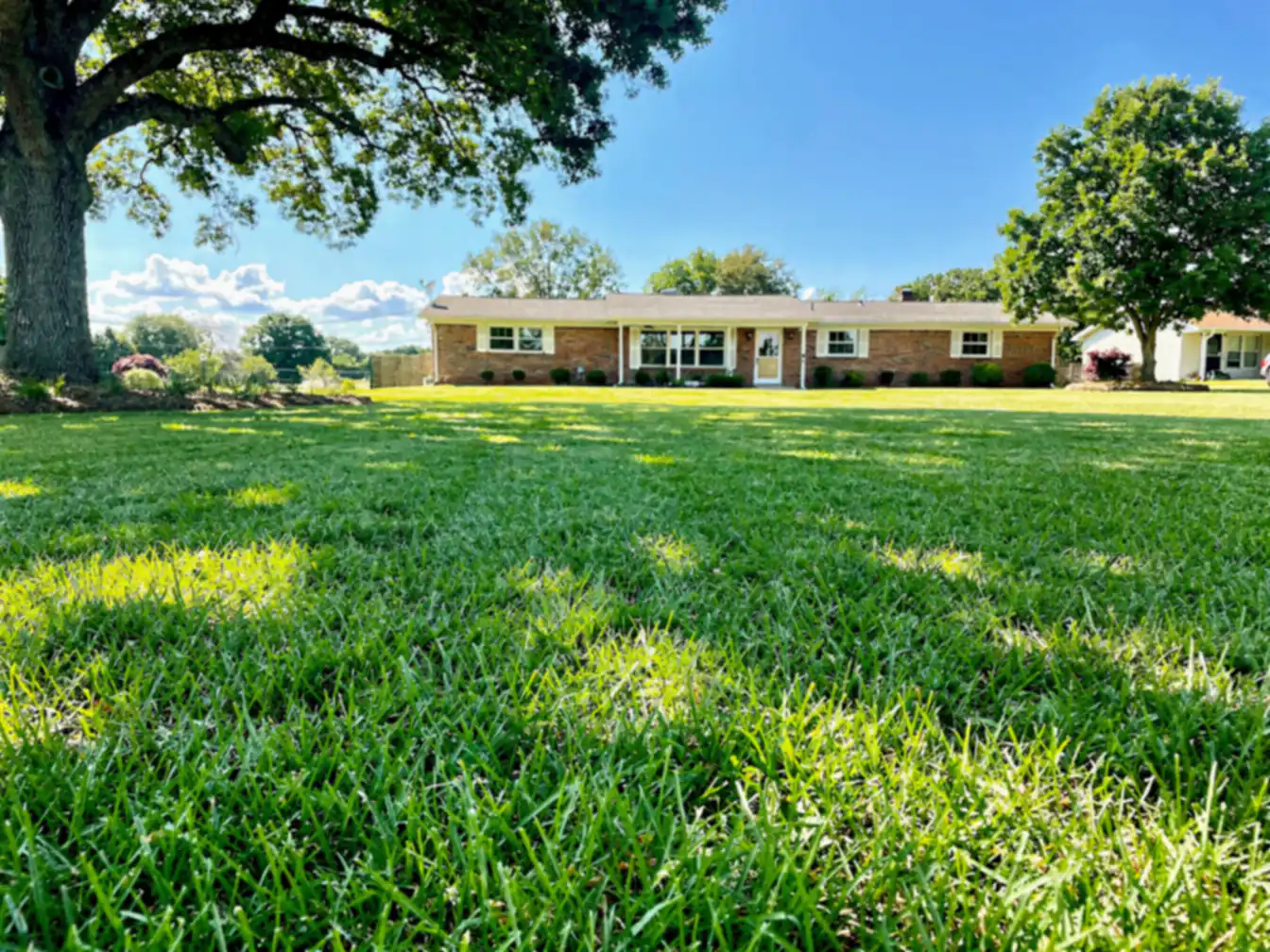
Bermuda grass takes its cues from soil temperature and day length, and it runs the same loop every year: sleep, wake, sprint, shut down. Once you know the loop, most of what your lawn does stops being alarming — and the few things that actually deserve a closer look stand out fast. Here's how the year goes for a bermuda lawn in Tipton County, season by season, along with the moments worth worrying about and the ones that only look like trouble.
Winter: brown is the plan
From December into February, bermuda is fully dormant. The whole lawn turns an even tan, and it stays that way no matter what you spread, spray, or wish on it. The grass isn't dead — it pulled its energy down into the roots and runners ahead of the first hard frost, and it's waiting underground for warm soil. Nothing about a brown winter lawn needs fixing, and it definitely doesn't need reseeding; people spread seed on dormant lawns every winter, and every winter the birds are grateful. What does need attention is anything green growing in all that brown. Our winters are mild enough that henbit, chickweed, annual bluegrass, and wild onion grow straight through them, and against a tan background they're easy to spot: henbit shows square stems and little purple flowers by late winter, chickweed sprawls in bright green mats, annual bluegrass makes soft pale clumps, and wild onion announces itself by smell when you walk past. A dormant lawn can't compete with any of it, so every green clump you see in January is planning to be a colony by March. The weed ID library covers the whole winter lineup if you want to put names to faces.
Late winter: the quiet weeks that decide July
Somewhere in the first half of March, most years, the soil warms toward the mid-50s — and once it holds there for a few days straight, crabgrass seeds germinate. That's the whole trigger. Not a date, a temperature. Which is why the most important treatment of the year goes down while the lawn still looks like shredded wheat: pre-emergent has to be in place before the soil hits that mark, because it works by stopping seeds from getting established and does nothing to crabgrass that's already up. Some years the soil gets there in the first days of March. Some years it waits until the back half of the month. The lawn gives no visible signal either way, so weed control in this region keys off the ground itself, not off a week somebody circled in March. If you only get one thing right all year, make it this one — a summer of chasing crabgrass is the price of missing it.
Green-up: patchy is normal, patient is right
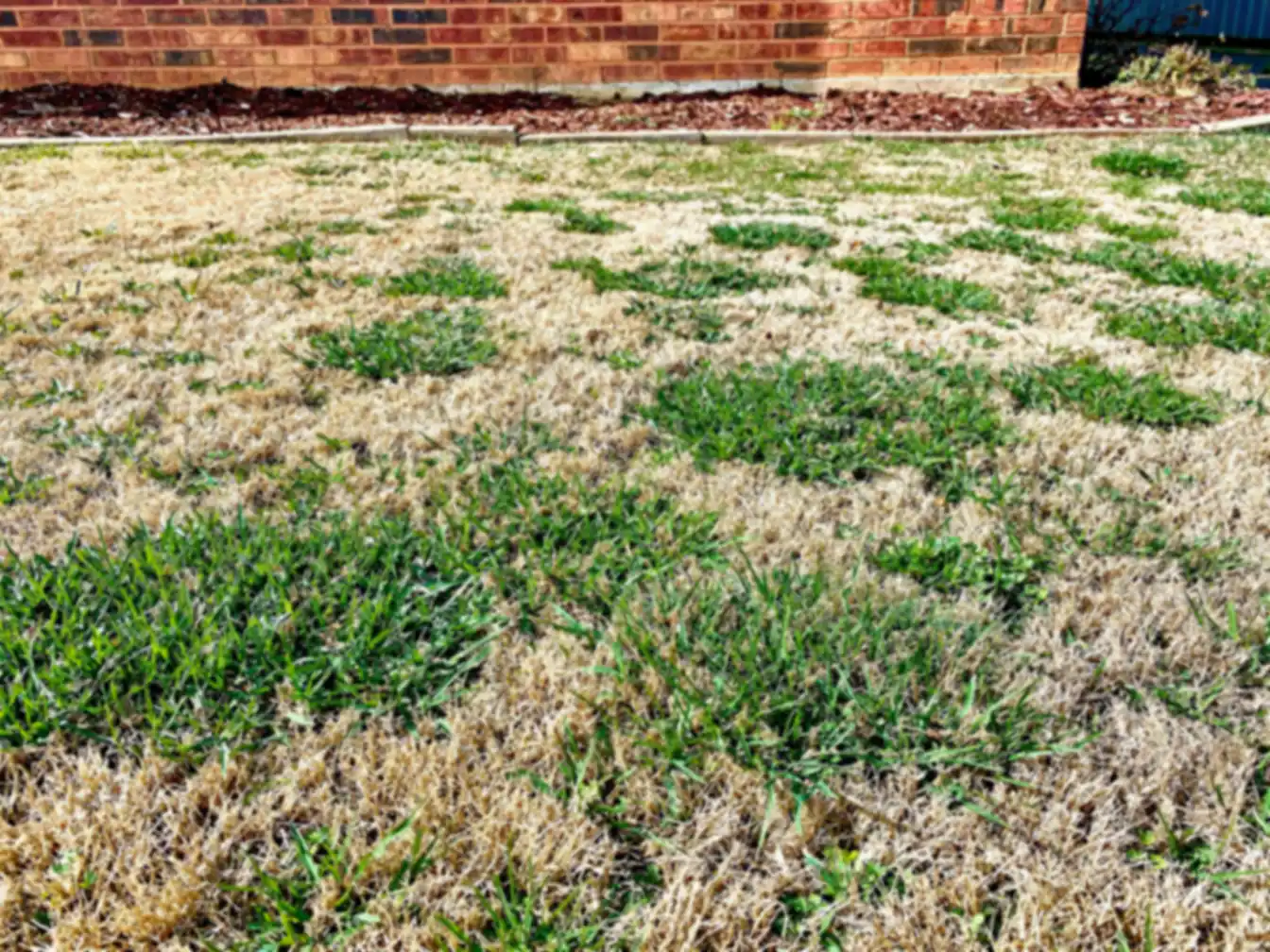
When soil temperatures climb into the 60s — April, most years — bermuda wakes up from its runners, and for several weeks the lawn is a mottled mix of tan and green. That in-between stage looks rough, and it makes people do rash things, most of them involving fertilizer. Hold off. The working rule is simple: don't feed until the lawn is at least half green. Fertilizer spread on mostly dormant bermuda skips right past the sleeping grass and feeds the weeds instead, which are wide awake and grateful for the help. Once green-up crosses the halfway mark, fertilization finally goes to the plant you meant it for, and the color deepens in a hurry.
Most slow spots fill in by late spring, because bermuda spreads sideways and repairs itself better than almost any grass we grow here. A few patterns deserve a second look, though. Areas that stay brown after everything around them has greened up may be winter-killed, grub-damaged from the fall before, or compacted so hard the runners can't push through. Ragged circular patches in a cool, wet spring are large patch, a disease of cold, soggy ground that quits once the soil warms past the mid-80s. Spots under big trees that green up late and thin out every single year are telling you about shade, not disease — bermuda wants full sun and never stops wanting it. And if some of the "green-up" looks coarser, clumpier, and a different shade than the rest of the lawn, you may be watching a weedy grass wake up, not your bermuda.
Summer: the sprint
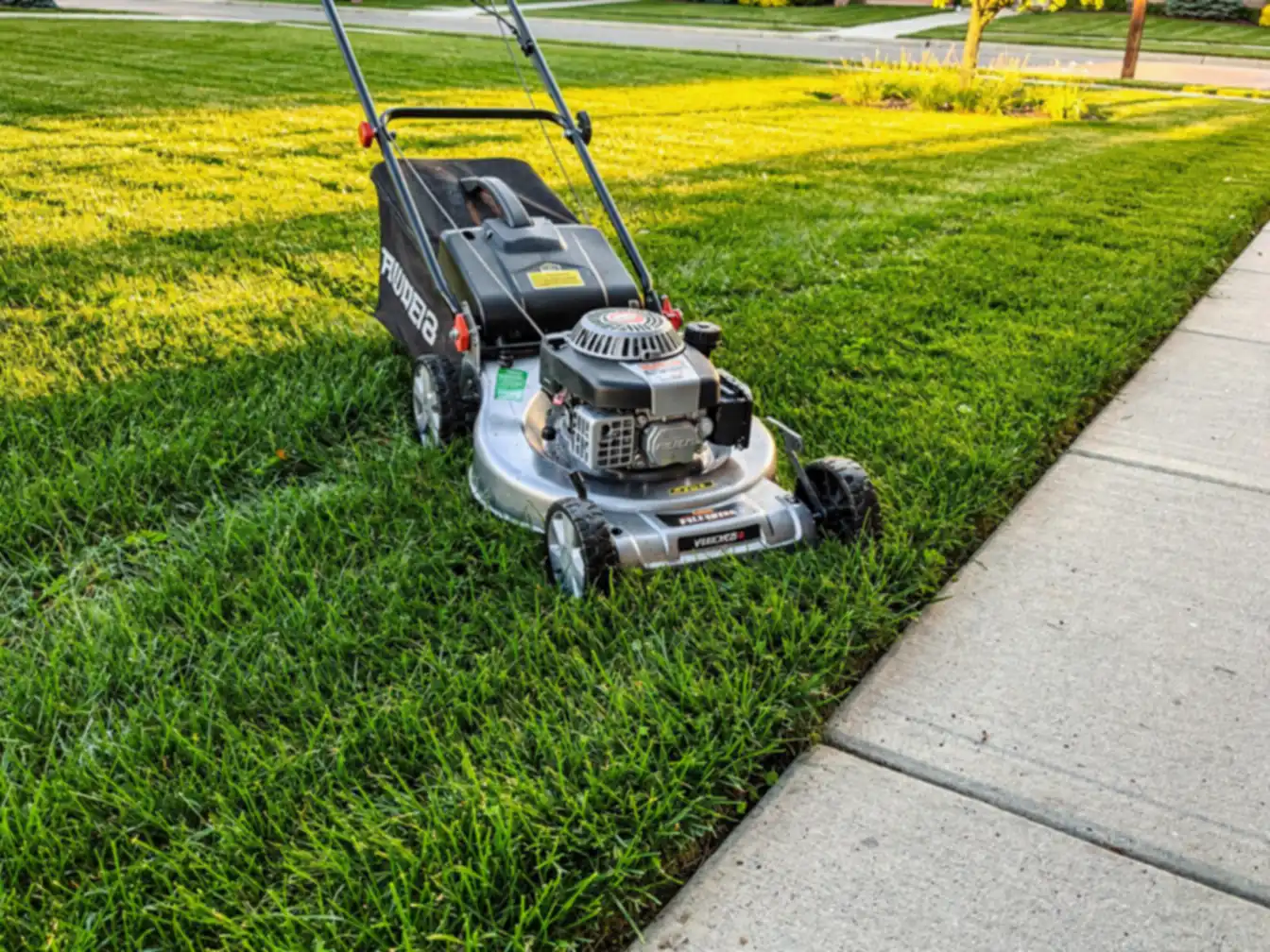
June through August is what bermuda lives for. The heat that wilts other grasses makes bermuda grow faster, and a well-fed lawn thickens into the dense, dark carpet everybody pictures when they think of a good yard. The main jobs in summer belong to the homeowner: water deep and seldom — about an inch a week, in one or two good soakings, mornings only, because grass that goes to bed wet invites fungus — and mow at bermuda's height, 1 to 2 inches for the common types, often enough that no cut removes more than a third of the blade. The worry list is short but real. Small bleached spots, silver-dollar to palm size, after warm days, cool nights, and heavy dew are dollar spot, bermuda's summer disease here. (Brown patch is the name everybody knows, but that one belongs to tall fescue.) Browning that starts in the hottest, sunniest areas and creeps outward even though you're watering usually means roots too shallow to reach what you're putting down. Turf that comes up in your hand when you tug on it has grubs eating the roots out from under it. And in late summer, moths swarming the porch light and fuzzy gray egg patches on siding and fence rails are worth taking seriously — those are armyworm moths, and their caterpillars can brown a lawn in days. All of it is treatable, and all of it does less damage the earlier somebody notices.
Two storm seasons and a lid under the topsoil
West Tennessee adds its own personality to the loop. Everybody calls our soil clay, but it's really silt loam — wind-deposited loess that holds nutrients well and packs down hard, so a summer of foot traffic and mower passes can leave it shedding water like a patio. A foot or so down sits a fragipan, a dense layer roots can't get through and water perches on. Spring and fall both bring storms that dump inches of rain in an afternoon, and wherever water still stands an hour after the rain quits, the ground underneath is compacted or graded low. Roots sitting in standing water don't breathe. There's a two-minute test worth running in August: push a screwdriver into the soil in a few spots. If it slides in a few inches, you're fine. If you're leaning on it like you're changing a tire, compaction is quietly taxing everything else the lawn tries to do.
Fall: the shutdown that sets up spring
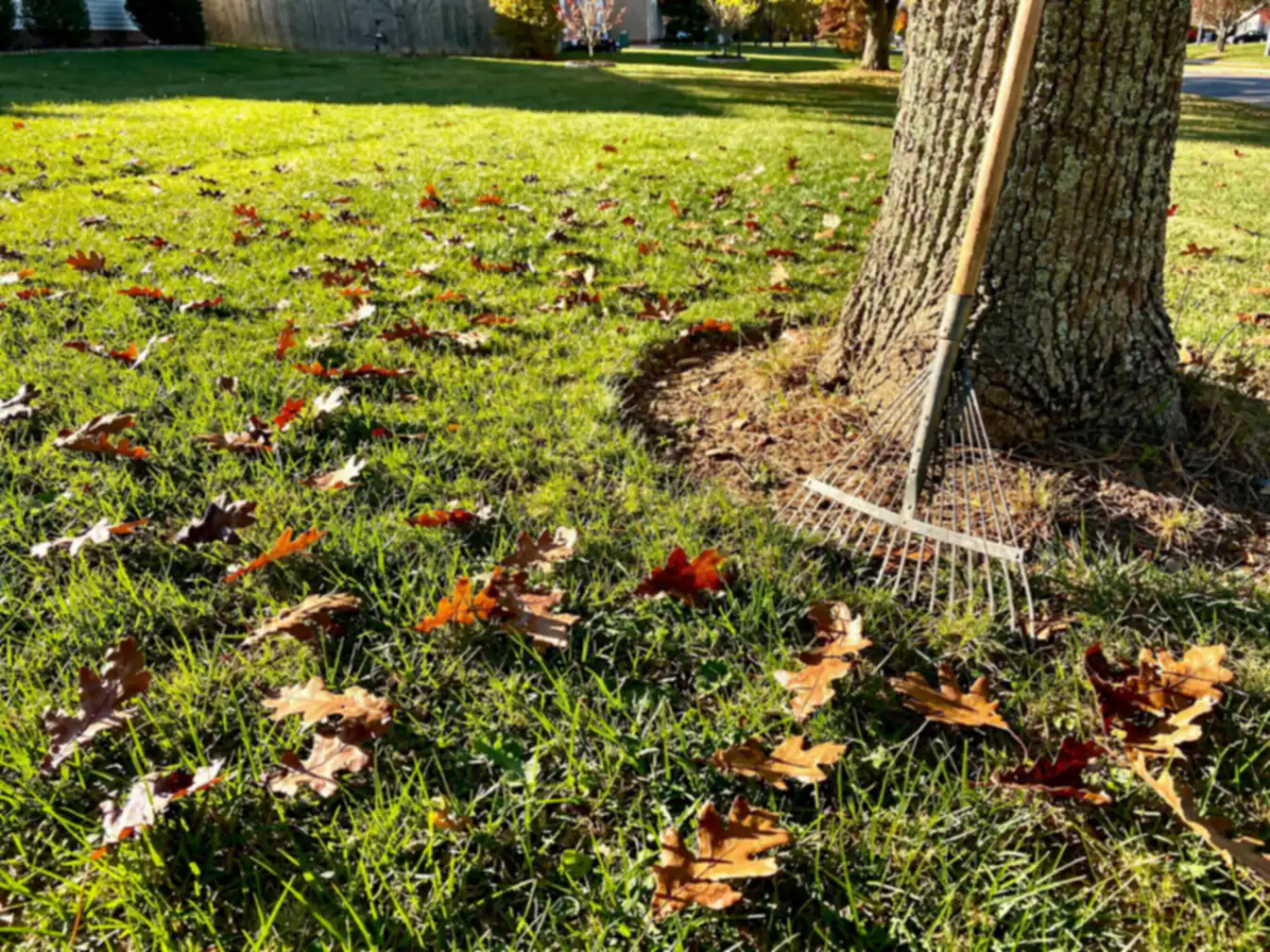
By September, growth slows noticeably and the lawn shifts from spending energy to banking it. This is the working season: seed for the thin and shady areas while soil is still warm, fall pre-emergent in early September to stop winter weeds before they sprout, and a feeding that helps the roots stock up for dormancy. One job that doesn't belong here is core aeration of the bermuda — warm-season grass takes that best from late spring through midsummer, and in fall it earns its place only as seedbed prep where you're seeding fescue. Raise the mower about half an inch in mid-September, too. First frost — late October or early November, most years — flips the switch. The color drains to tan over a couple of weeks and the lawn goes to bed. That fade is a healthy shutdown, not a failure: the plant is moving everything valuable underground for safekeeping. How well it sleeps, and how strong it wakes, depends almost entirely on what happened in September and October. We'd argue fall, not spring, is the real start of the lawn year.
The short version
Winter: brown is fine, green is a weed. Late winter: pre-emergent beats the soil's warm-up or it doesn't count. Spring: feed at half green, not before, and give slow spots until late spring before judging them. Summer: water deep, mow low and often, aerate while the grass can still heal, and watch for bleached spots and porch-light moths. Fall: seed, prevent, feed, raise the deck a half inch, and let it shut down in peace. For the full month-by-month detail — what's growing, what's germinating, and what to do about each — the lawn calendar walks through all twelve months. The lawn runs the same loop every year. The trick is knowing which part of the loop you're standing in.