Lawn guide · June 2, 2026
Soil Temperature: When West TN Lawns Really Wake Up
Crabgrass germinates at 55°F soil temp, not on a calendar date. How soil temperature drives pre-emergent timing and bermuda green-up in West TN.
Every spring, somebody in Tipton County steps outside on a warm February afternoon, decides winter is over, and heads to the garden center. Some years they're right. Other years a hard freeze rolls in two weeks later and everybody's tomatoes pay for it. West Tennessee springs don't follow a script — and neither does your lawn. Grass and weeds don't read calendars. They read soil temperature. Once you understand that one fact, the timing behind almost everything in lawn care starts to make sense.
Your lawn takes its orders from the dirt, not the air
Air temperature is jumpy. In March around here it can hit 78 one afternoon and struggle to reach 45 two days later. Soil is different. It warms and cools slowly, like a big pot of water on low heat — it takes days of steady warmth to raise it a few degrees, and days of cold to bring it back down. That slow, steady number is what seeds and roots actually respond to. A weed seed sitting two inches down doesn't know it was sunny on the surface for an afternoon. It only knows whether the soil around it has held warm long enough to make sprouting worth the risk. That's why two lawns can sit through the exact same weather and behave differently: a south-facing slope in full sun warms up days ahead of a shaded backyard on the north side of the house. The dirt is running its own weather report, and it's the one that counts.
The number that matters most: 55 degrees
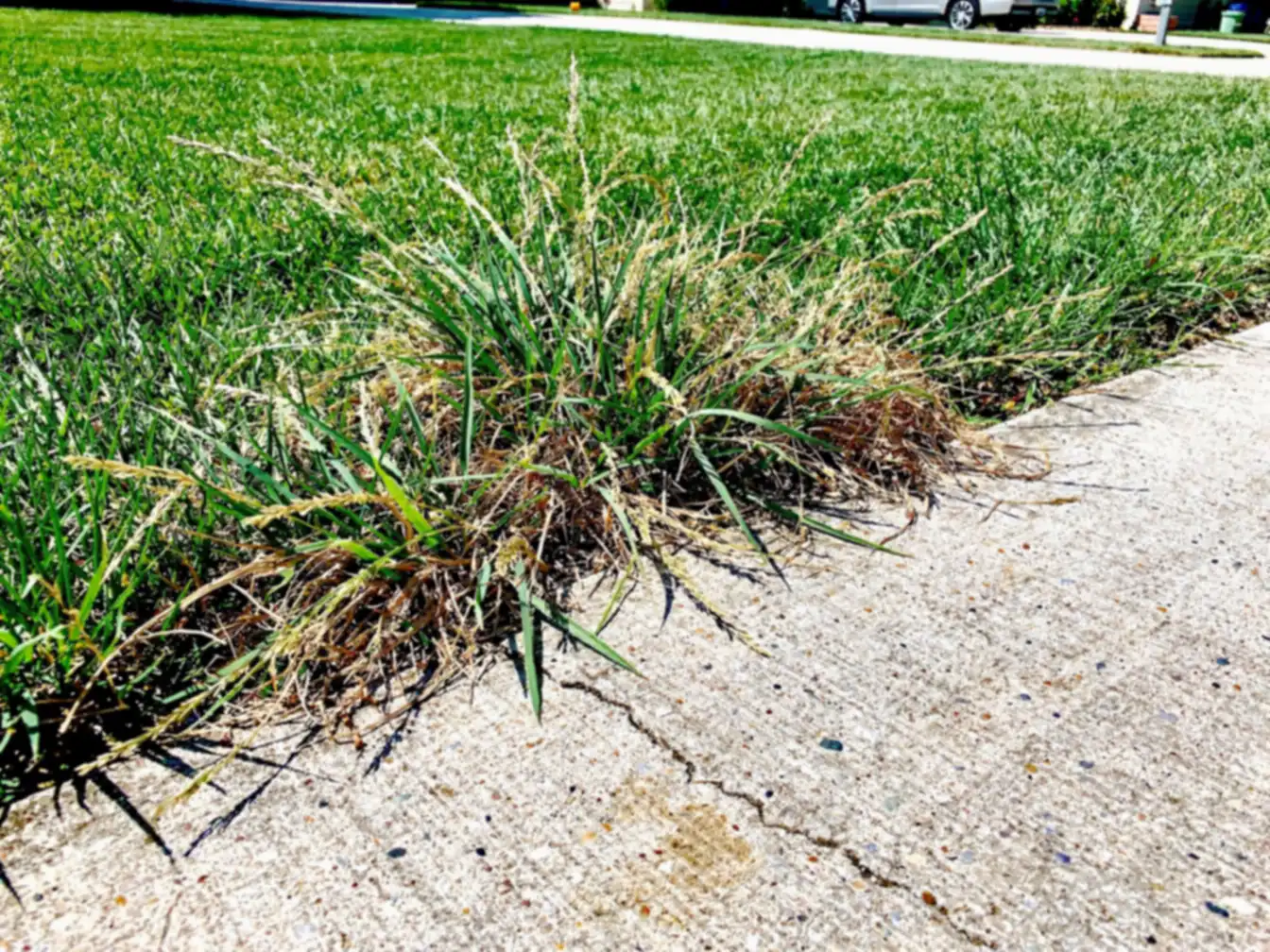
Crabgrass is the big spring troublemaker in West Tennessee lawns, and it runs on a very specific trigger. Crabgrass seeds germinate when the soil in the top inch or two holds around 55 degrees for a few days in a row. Not one warm afternoon — a sustained stretch. Those seeds have been sitting in your soil since last summer, and there are a lot of them. A single crabgrass plant can drop tens of thousands of seeds before frost kills it. All of them are down there waiting on that 55-degree signal like it's a starting gun. This is why pre-emergent timing is such a big deal. Pre-emergent forms a barrier in the top layer of soil that stops sprouting seeds cold — but only if it's in place before they wake up. Put it down after soil temps have already crossed 55 and held, and you've locked the gate after the horses left. One more wrinkle: the warmest soil in your yard is along the driveway, the sidewalk, and the street, where concrete soaks up sun all day and heats the ground beside it. That's why crabgrass almost always shows up at the edges first — those strips can cross that mark a week or more ahead of the middle of the lawn. The edges are your early warning system. If you want the full story on how that barrier works, we wrote a separate guide on pre-emergent versus post-emergent weed control.
Why "apply in March" is bad advice here
Plenty of national lawn advice says to put pre-emergent down in March. The problem is that West Tennessee sits in zone 7b to 8a, and our springs swing hard from year to year. Some years the soil around Brighton and Covington crosses 55 in the first days of March. Other years it holds off until the back half of the month. A ten-day difference doesn't sound like much until you remember the seeds don't wait. In an early spring, a mid-March application lands after the gate is already open, and you spend the summer fighting crabgrass that a February application would have stopped. That's why we track soil temperature instead of picking a week off the calendar. It's also why the same treatment can land on different dates in different years and both be exactly right. The calendar is a rough guide. The soil is the truth.
Bermuda runs on its own thermostat too
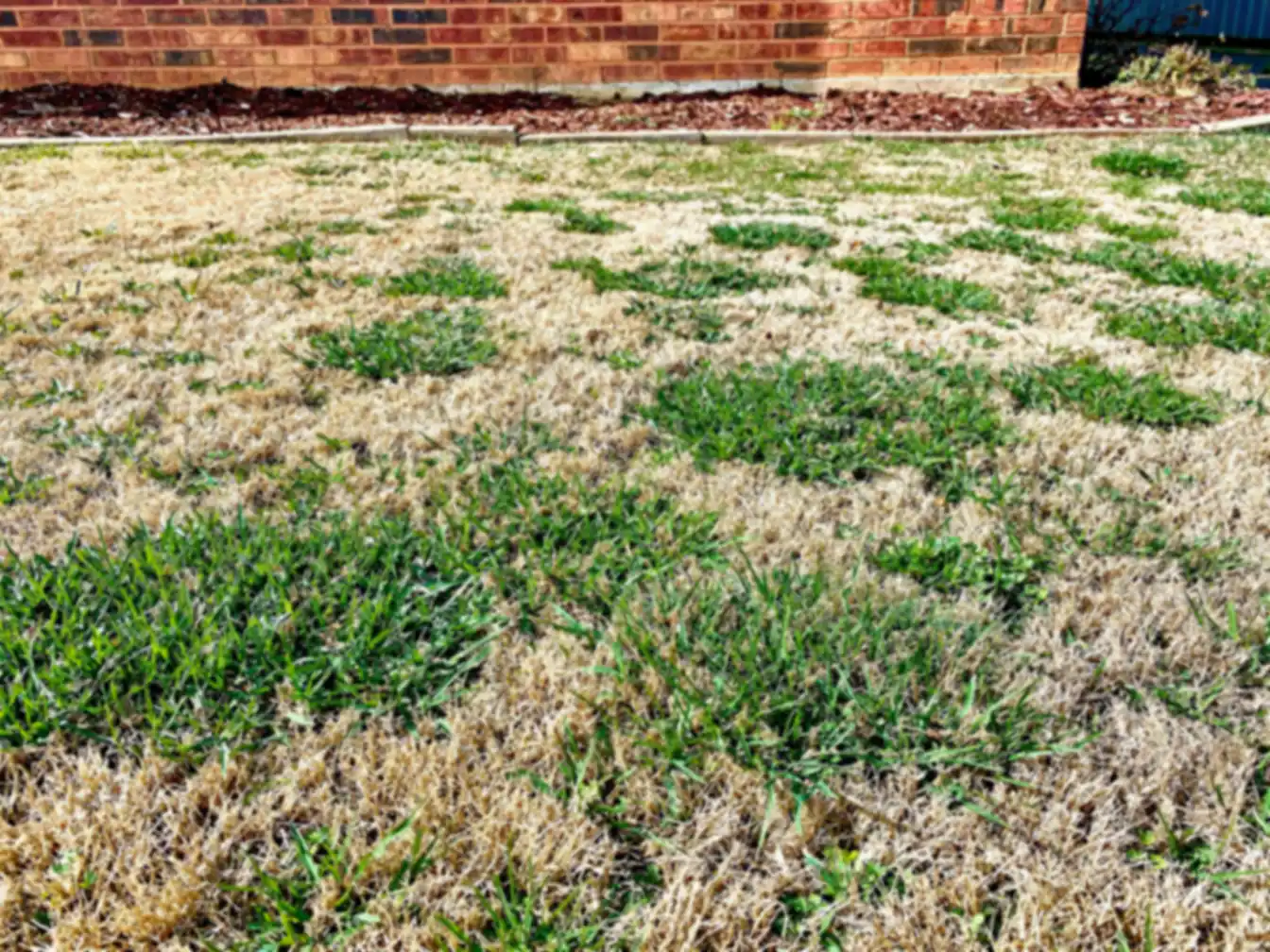
Weeds aren't the only thing watching soil temperature. Your bermuda is dormant all winter — tan, brown, and asleep — and it doesn't start greening up until soil temps climb into the 60s. It doesn't really hit its stride until the soil holds 70-plus and daytime air is living in the 80s. That's why April lawns around here look patchy: brown and green mixed together for weeks while the grass wakes up section by section. Nothing is wrong. It's also why early fertilizing backfires. Fertilizer spread on a half-asleep lawn mostly feeds the weeds that are already wide awake — henbit, chickweed, and their winter friends will happily take every bit of it. The rule of thumb: hold fertilization until the lawn is at least half green. Feed the grass when the grass can actually eat.
How to check soil temperature yourself
You don't need lab equipment. A basic soil thermometer costs less than lunch. Push it about two inches into the lawn, mid-morning, and check it a few days running — you're looking for the trend, not one reading. Check a sunny spot and a shady spot, because they can differ by several degrees, and the sunny reading is the one the crabgrass along your driveway cares about. If you'd rather not kneel in the yard, agricultural soil temperature maps are free online; West Tennessee is farm country, and row-crop farmers watch these same numbers to decide when to plant corn. If the timing is trustworthy enough to bet a harvest on, it's trustworthy enough for a lawn. One folk method you'll hear: when the forsythia blooms, crabgrass is coming. Some years that lines up, and it's a pleasant thing to believe. But forsythia is a shrub, not a thermometer, and it gets fooled by the same false springs that fool the rest of us. Trust the number.
The same story runs in reverse every fall
Soil temperature doesn't stop mattering when summer ends — the whole machine just runs backward. As soil cools through September and October, a different set of seeds wakes up: henbit, chickweed, and annual bluegrass, the winter annuals that sprout in fall while your bermuda still looks great. You won't notice them for months. Then the bermuda goes dormant and brown, the winter weeds stay green, and suddenly they're the most visible thing in the yard. The trigger is cooling soil — roughly when temps drop back into the low 70s and keep falling — which means fall has its own pre-emergent window, just like spring, and it's just as easy to miss. Warm autumns push it later; early cold snaps pull it forward. Meanwhile the bermuda is reading the same signals in its own way, pulling energy out of the blades and banking it in the roots as the soil cools, which is why a lawn that goes into dormancy healthy comes out of it strong. Two seasons, two germination waves, one thermometer running the whole show.
What this means for your spring plan
Put it all together and spring stops being guesswork. Pre-emergent goes down in late winter, before soil hits 55 — that's the window that decides whether you see crabgrass in July. Fertilizer waits for real green-up, usually when soil temps settle into the 60s. Winter weeds get treated while the bermuda is still dormant, when they're small and easy. Each step keys off soil temperature, and each one has a window that opens and closes on its own schedule. Miss a window and you don't get it back until next year — there's no makeup exam for pre-emergent. If you want to see how the whole year fits together month by month, our lawn care calendar lays it out. The short version: watch the soil, not the sky. The dirt has been keeping better time than the calendar since long before any of us started mowing.