Lawn guide · June 10, 2026
Pre-Emergent vs Post-Emergent: What Each Really Does
One prevents weeds, one kills them — and neither does the other's job. Timing windows and why a clean West TN lawn uses both.
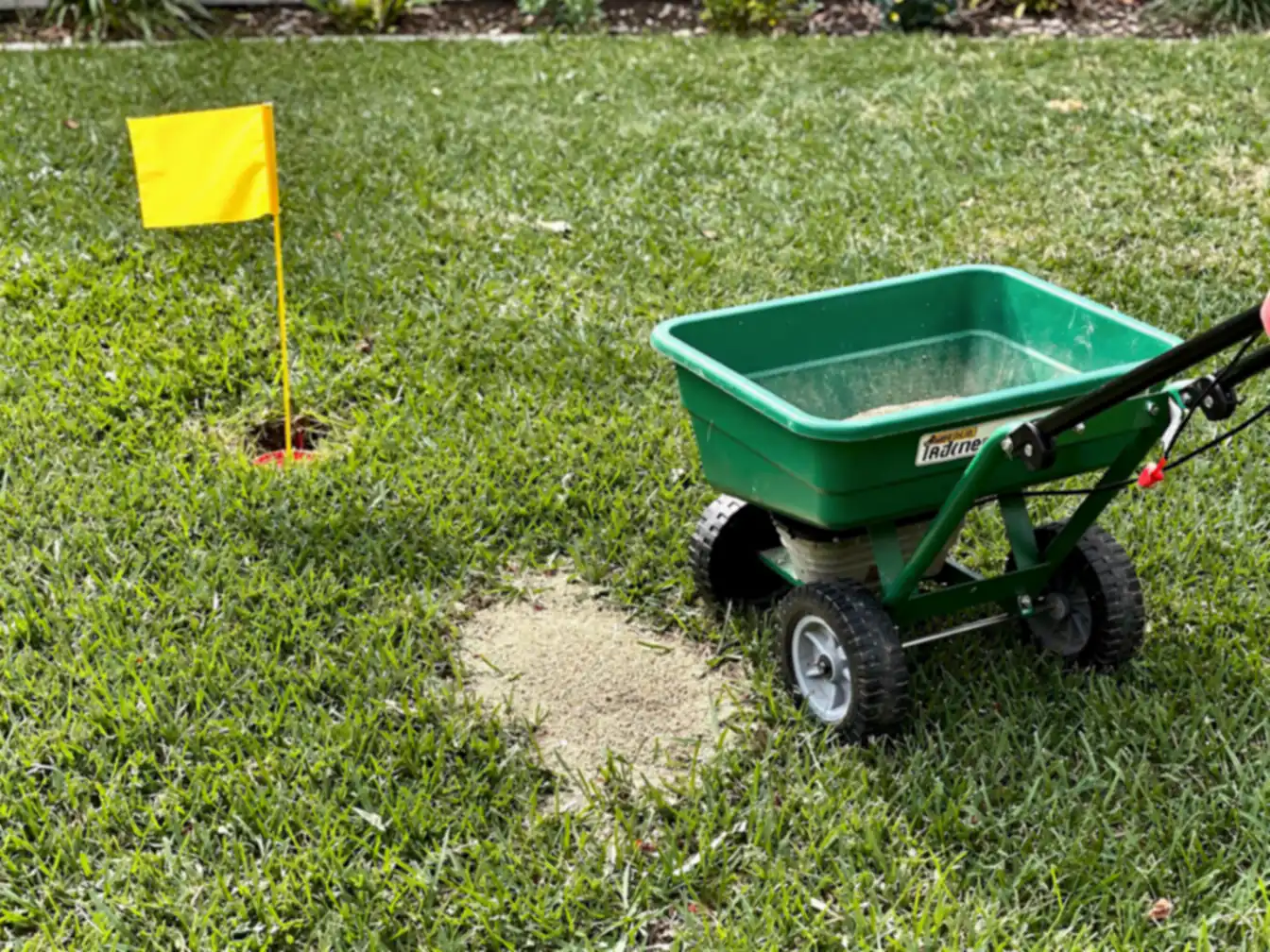
Walk down the weed control aisle at any hardware store and you'll see two families of products: ones that promise to prevent weeds and ones that promise to kill them. They are not the same thing, they don't do each other's jobs, and mixing up which one you need is probably the most common weed control mistake we see in Tipton County yards. Here's what each one actually does, when each one works, and why a lawn that stays clean all year almost always gets both.
Pre-emergent doesn't kill weeds. It builds a wall
Pre-emergent herbicide works like a shield in the soil. When it's applied, it forms an invisible barrier in the top inch or so of your lawn. Weed seeds still sprout down below that barrier — pre-emergent doesn't sterilize the soil or stop germination itself. But the moment that baby weed pushes up and touches the treated layer, it stops cold and dies before it ever sees daylight. You never know it existed. That's the whole trick, and it explains pre-emergent's biggest limitation: it does absolutely nothing to a weed that's already up and growing. Spraying pre-emergent at a dandelion is like locking the front door after the guest is already sitting on your couch. It also explains why you shouldn't dig, till, or aggressively rake a lawn after an application — every disturbance punches a hole in the wall, and weeds find holes. The barrier only protects soil that stays put.
Post-emergent handles what you can already see
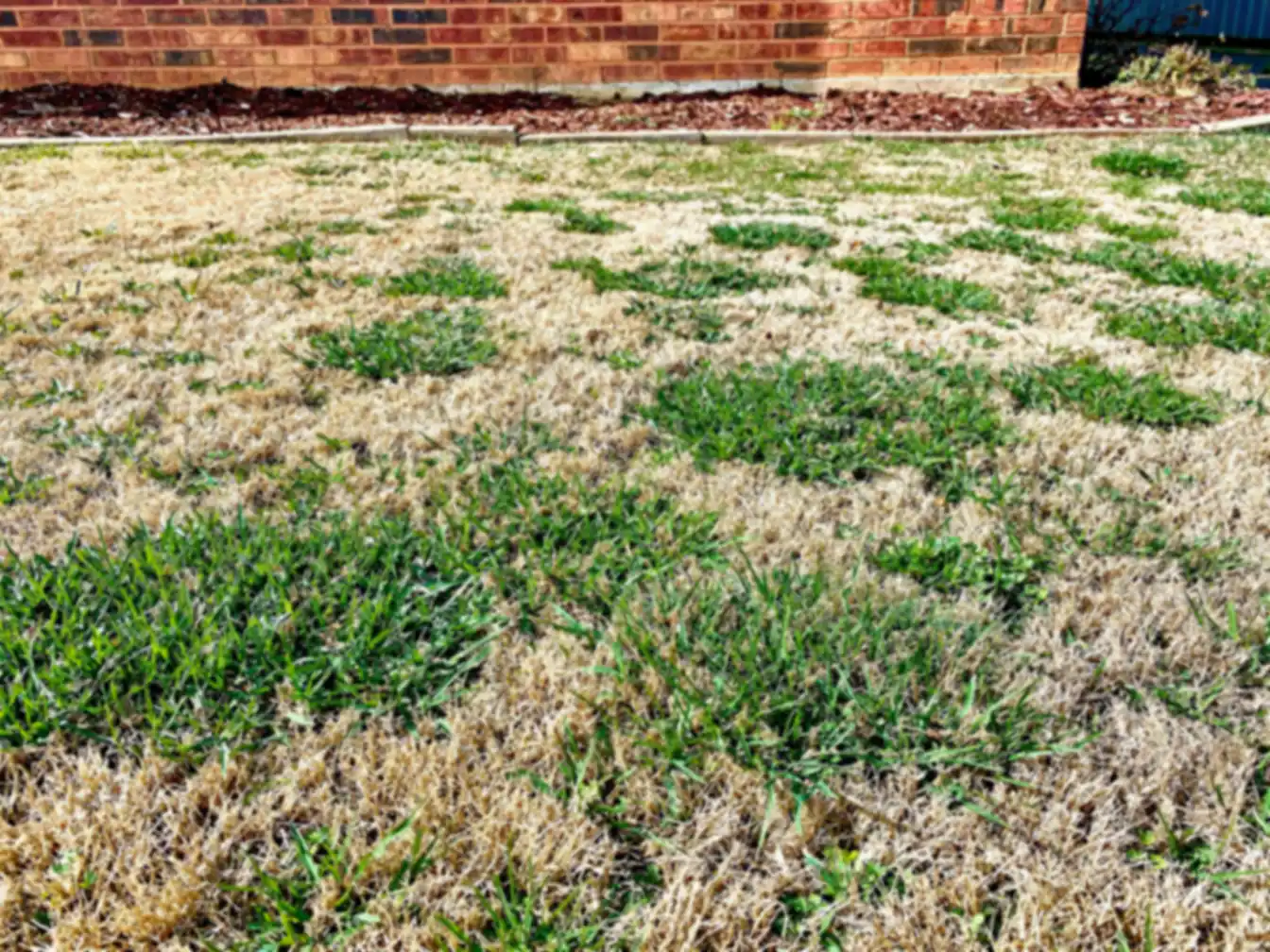
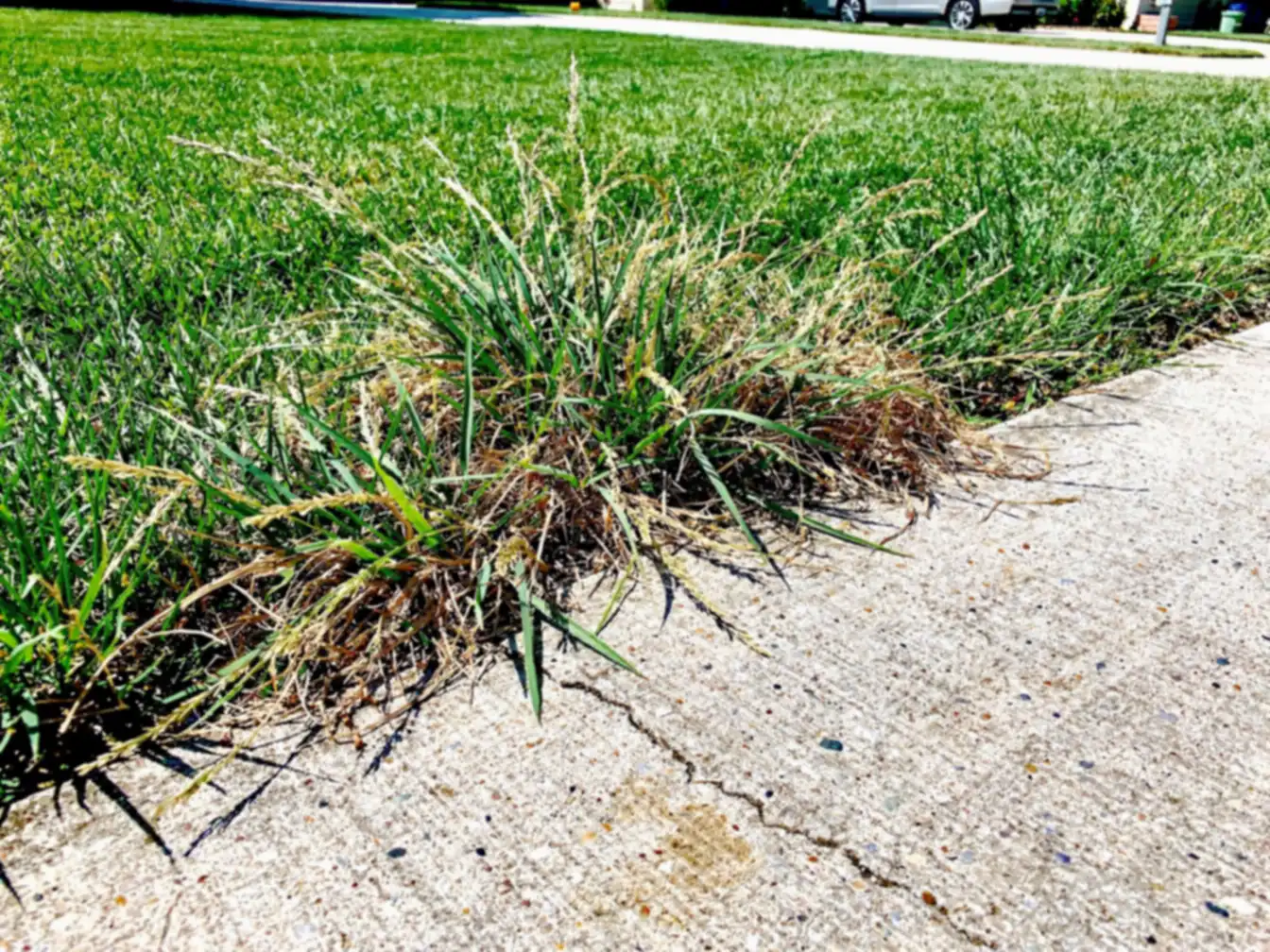
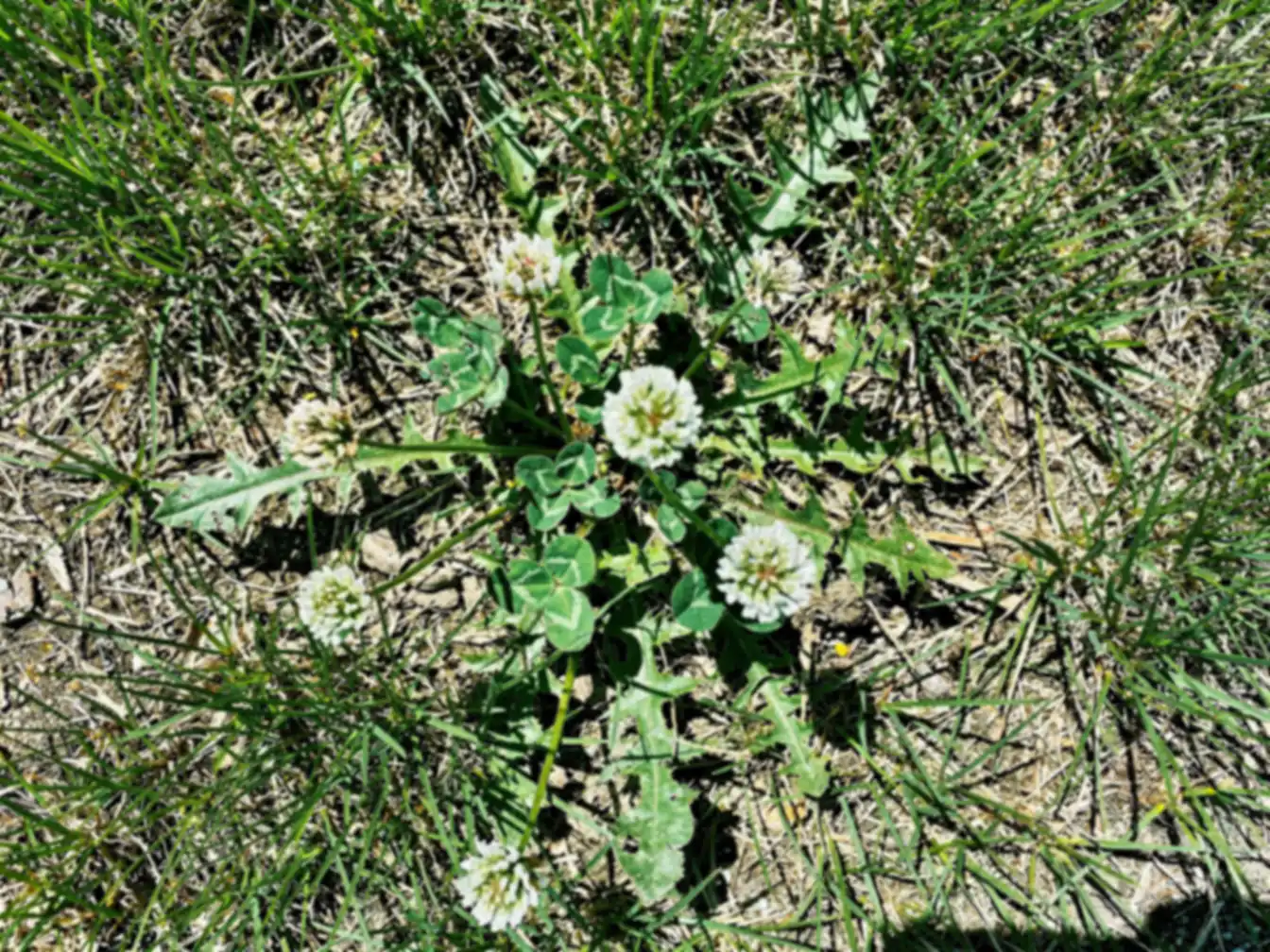
Post-emergent herbicide is the cleanup crew. It targets weeds that are up, green, and visible — the chickweed mat in your dormant winter bermuda, the clover patch by the mailbox, the dallisgrass clump that laughs at your mower. Good post-emergent work is selective: the products are chosen to take out the weed while leaving bermuda alone, which is a real piece of know-how, because what safely kills a broadleaf weed like henbit won't touch a grassy weed like crabgrass, and stubborn characters like nutsedge need their own specialized treatment entirely. Not sure what's growing out there? Our weed identification guide covers the usual West Tennessee suspects. Post-emergent also works best on small, young weeds. A henbit seedling in November comes out easy. That same plant in March is a woody-stemmed veteran that has been growing all winter, and it may take two rounds and a grudge to remove. The earlier the cleanup, the cleaner it goes. One more thing post-emergent can't do: it can't bring back the lawn a weed displaced. Kill a basketball-sized clump of crabgrass in August and you own a basketball-sized bare spot in September — which is prime real estate for the next weed unless healthy grass fills it first. That's the quiet case for treating early, before the weeds get big enough to leave craters.
Timing windows are the whole game
West Tennessee gets two big weed waves a year, so pre-emergent has two big windows. The spring window comes in late winter, before soil temperatures reach the mid-50s — that's when crabgrass seeds germinate, and the barrier has to be down first. Around here that usually happens in early to mid March, which is why the application goes down in February. The fall window opens in early September, ahead of the cooling soil that wakes up the winter annuals: henbit, chickweed, and annual bluegrass all sprout in fall while your bermuda still looks great, then sit quietly until the lawn goes dormant and suddenly it's a brown yard full of green invaders. Fall pre-emergent stops them before they break ground. Both windows are set by what the soil is doing, and both close fast — we wrote a whole guide on why soil temperature runs the schedule. Post-emergent timing is looser but still matters: treatments work best when weeds are actively growing, small, and not stressed by drought or a hard freeze.
Why the wall is never bulletproof
Even a perfectly timed pre-emergent application won't give you a 100 percent weed-free lawn — nobody honest will promise you that. The barrier thins as the season wears on — sun, rain, and soil microbes slowly break it down, which is why long germination seasons sometimes call for a split application. Heavy spring storms, and we get our share, can wash it thin in low spots. Dog digging, kids' bare patches, utility work, a new flower bed — anything that moves soil opens a gap. And some weeds don't come from seed at all: wild onion pushes up from underground bulbs, and dallisgrass returns from deep perennial roots, so no barrier stops them. Breakthrough weeds aren't a sign the pre-emergent failed. They're a sign it did most of the job, and the survivors need a different tool.
The mistakes we see most often
A few patterns come up in yard after yard, so consider this a short list of things not to do:
- Buying pre-emergent to fight weeds you can already see. It can't help — the wall doesn't work on anything already over it — and while it's failing at that job, the visible weeds are setting seed.
- Reaching for the all-in-one weed-and-feed bag. It sounds efficient, but the right time to fertilize bermuda and the right time for weed treatment are usually different windows, so one half of the bag is mistimed no matter when you spread it. Fertilizer put down before the lawn is at least half green mostly goes to the plants that are already awake — and those are the weeds.
- Expecting post-emergent to work overnight. Most treatments take one to three weeks to fully kill a weed; the yellowing and curling in between means it's working, not that it needs another blast. Doubling up on herbicide out of impatience is a good way to stress the bermuda around the weed.
- Treating in the wrong weather. Post-emergent sprayed onto drought-stressed weeds in a July scorcher barely moves — a stressed plant shuts down and stops taking anything in — and some products get risky for the lawn itself in extreme heat.
Every one of these mistakes is really the same mistake wearing different hats: right product, wrong moment.
One tool prevents, the other corrects — a program uses both
This is why the pre-versus-post question has a boring answer: it's not versus at all. Pre-emergent is your defense. It quietly prevents thousands of weeds you'll never see, at a fraction of the effort it would take to kill them later. Post-emergent is your offense. It corrects the breakthroughs, the perennials, and the odd surprises no barrier can stop. A lawn that only gets pre-emergent slowly accumulates the escapees. A lawn that only gets post-emergent is a year-round game of whack-a-mole — you're always reacting, always a little behind, and the weeds are always reseeding for next season. Run both on the right schedule and each year gets easier than the last, because you're shrinking the seed supply in your soil instead of restocking it. That's the logic behind an annual treatment program: eight applications spread across the year, each timed to hit a specific window, with prevention and cleanup taking turns.
What this looks like across a Tipton County year
Late winter, pre-emergent goes down for crabgrass while post-emergent knocks out the winter weeds growing in dormant bermuda — they're green against brown, so they're easy to spot and easy to hit. Spring and summer, it's post-emergent season: clover, spurge, nutsedge, and whatever else slipped through gets treated while the bermuda thickens up and crowds out the next generation. Early fall, pre-emergent goes back down ahead of the winter annuals. Late fall and winter, spot treatments clean up stragglers while the lawn sleeps. Round and round it goes, and the quiet months matter as much as the busy ones. If you take one thing from this guide, make it this: prevention is cheap and invisible, correction is visible and slower, and the best-looking lawns on your street are using both — most of the work happened months before you could see the results. For the season-by-season detail, our weed control page breaks down how we run it.