Lawn guide · August 1, 2026
Fall Recovery After a Brutal West TN Summer
A fall recovery plan for West Tennessee lawns: assess the damage, pair aeration with overseeding, feed for roots, and shut out winter weeds.
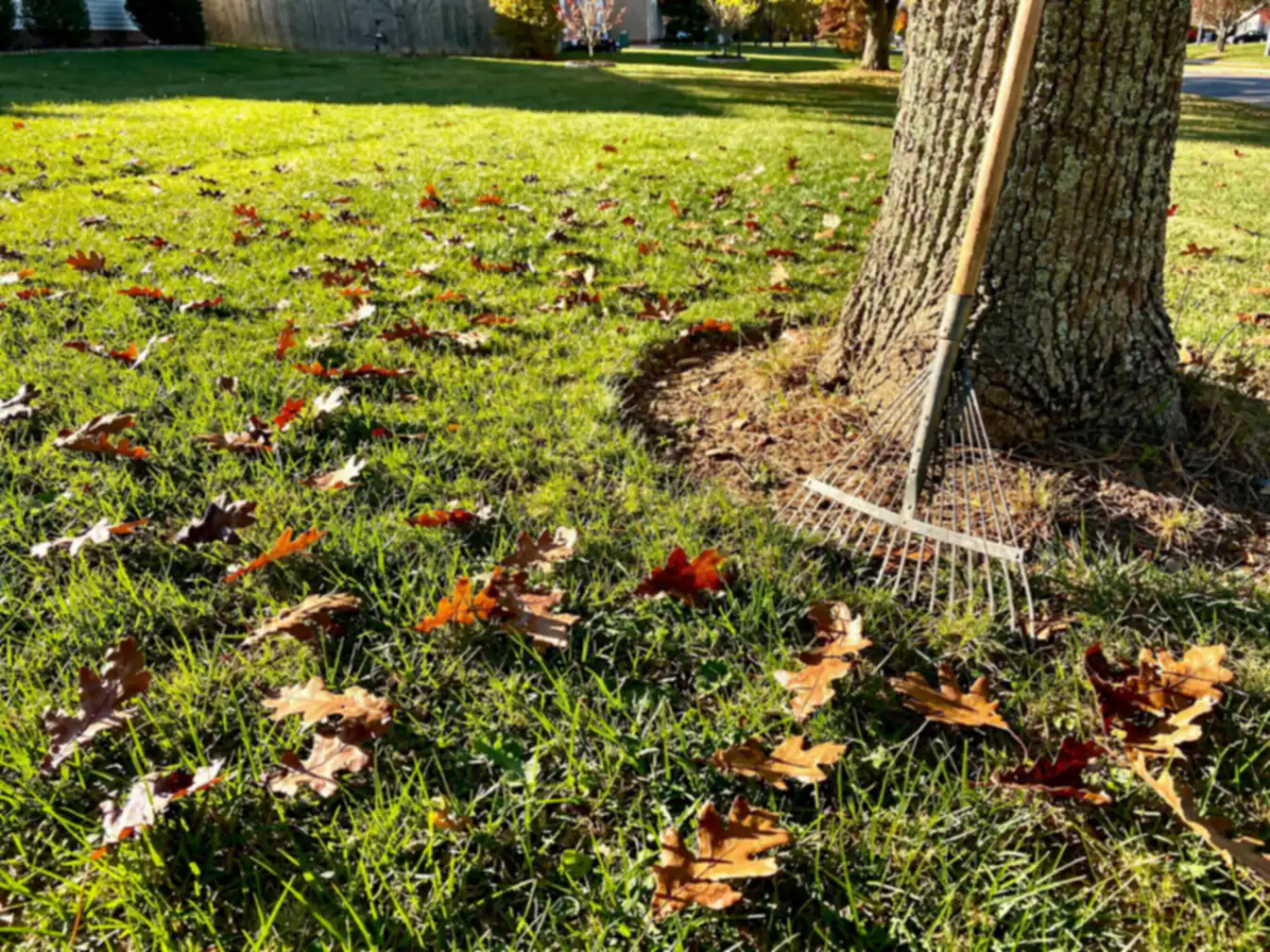
A West Tennessee summer doesn't ease up on a lawn. By late August the yard has been through blast-furnace heat, air you could wring out, a dry stretch that browned the sunny corners, and at least one storm that dropped three inches of rain on ground too tight to drink it. Even well-kept lawns come out of that looking tired, and the rough ones look like the surface of the moon. The good news: fall is the single best repair season a bermuda lawn gets, and the work done in September and October decides what next spring looks like. Here's the recovery plan, in order — assessment first, then the fixes.
Walk the lawn and take stock of the damage
Before buying anything, take a slow lap with your phone and make notes:
- Where is the grass thin or bare?
- Where does the soil feel hard underfoot? Push a screwdriver into the ground in a few places — if it slides in a few inches with steady pressure, that spot's fine; if it takes your whole weight, that's compaction.
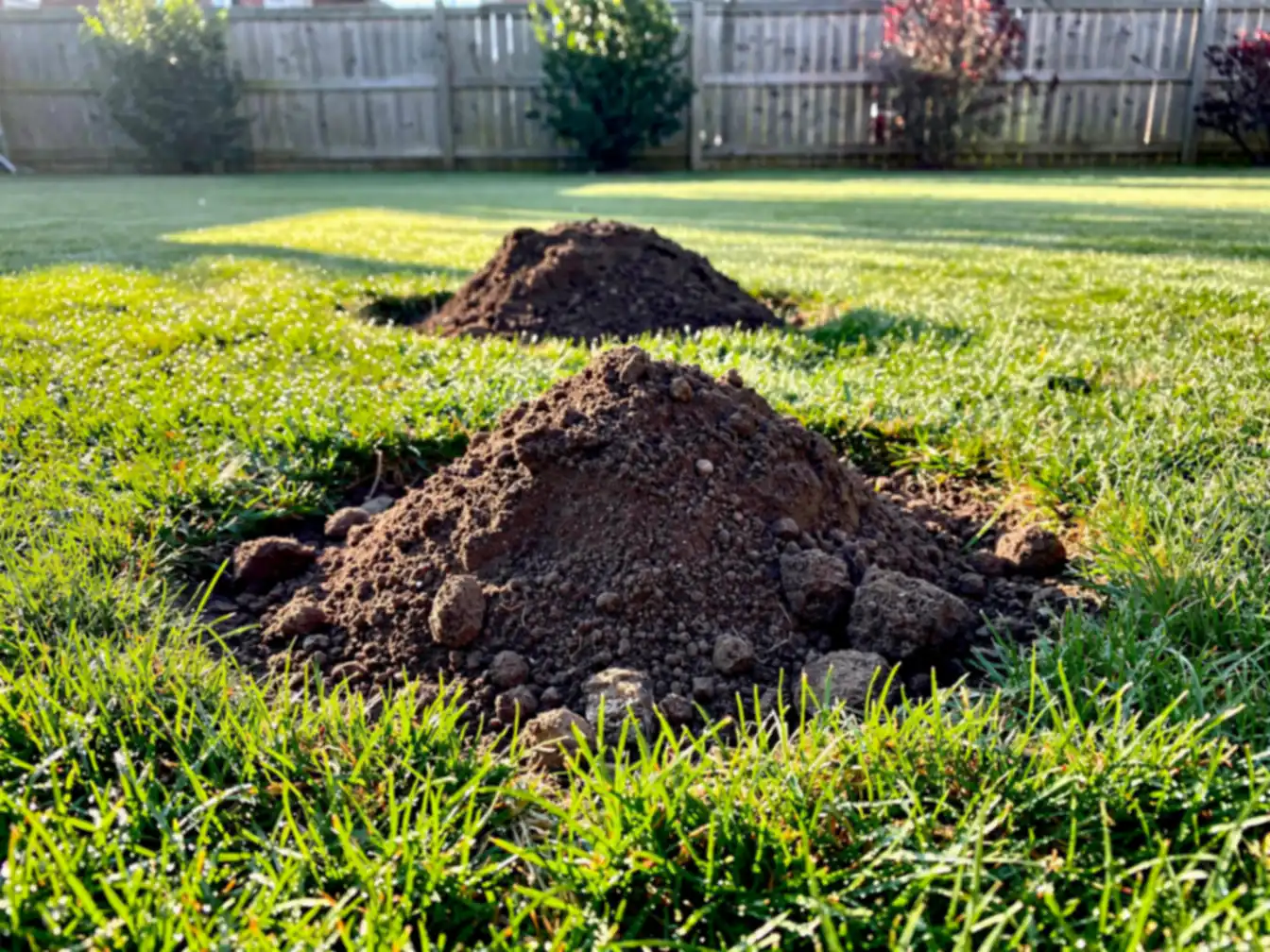
- Find a browning patch and tug a handful of turf. Healthy grass fights back; if it lifts like a piece of carpet, grubs have been eating the roots clean off underneath.
- Note where water stood after summer storms.
- Note any circles that came and went in July.
- Note which brown areas sit in the hottest, sunniest corners of the yard.
Take photos, because the evidence fades but the causes don't. Ten minutes of walking basically writes the whole fall plan for you — and it keeps you from paying to fix things that were never broken.
Name the cause before you fix the symptom
Summer damage comes from a short list of culprits, and they need different fixes. Drought browning is broad and roughly even, concentrated in full sun and on slopes — and it usually repairs itself once rain and cooler weather return, because going brown is bermuda's defense mechanism, not its death. Dollar spot leaves small bleached patches, silver-dollar to palm size, and needs treating, not reseeding. Browning that starts in the hottest, hardest spots and creeps outward even when you water is usually a rooting problem, not a bug — the grass there can't reach the water you're putting down. Grub damage is the carpet-lift, often with skunks or armadillos digging for the same easy meal — and reseeding over an active grub problem just grows fresh roots for them to eat. Plain compaction thins grass gradually along walking paths, play areas, and wherever the mower turns. Sorting normal late-summer tiredness from real damage is half the job, and knowing what the lawn is supposed to be doing in each season makes the sorting a lot easier. Match the fix to the cause, or you'll spend the fall treating symptoms while the disease keeps its job.
Open the ground — and know when it should have happened
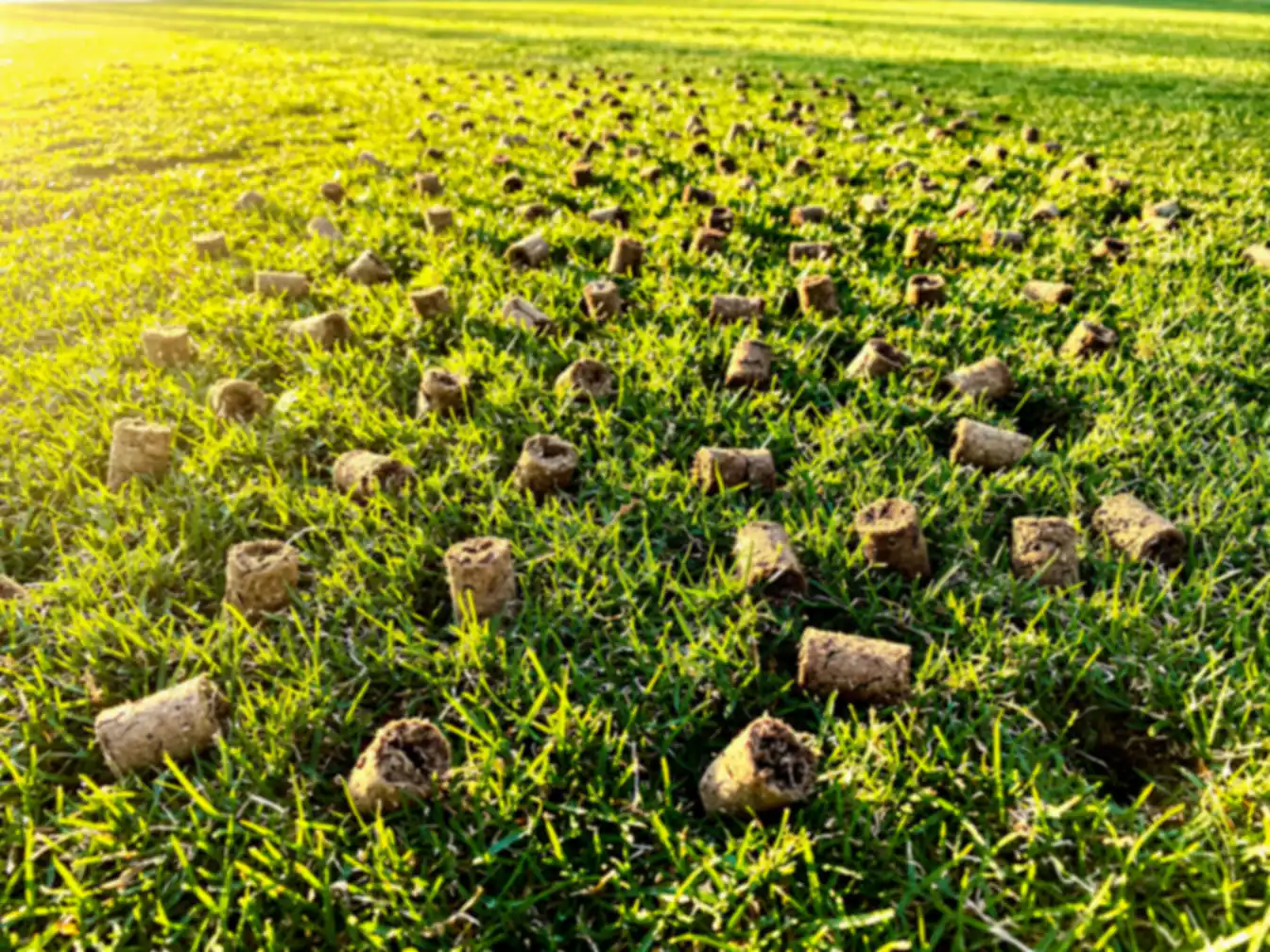
Our soil is the quiet villain in most West Tennessee lawn problems. It's silt loam, not the clay everybody calls it, and silt packs tight: a summer of foot traffic, mower passes, and baking heat presses it hard enough to shed water, and with a fragipan a foot or more below, the roots were already working in a shallow box. Core aeration is the reset: the machine pulls finger-sized plugs two to three inches deep, opening thousands of channels where air, water, and nutrients can finally reach the roots. Rain soaks in instead of running down the driveway, and roots surge into the loosened columns within weeks. Here's the timing correction most fall checklists get wrong, though. Bermuda is warm-season, and it takes aeration best from late spring through midsummer, while it's growing hard enough to heal the holes. Aerating bermuda in October is stress with no recovery behind it, and those holes sit open all winter. If you're reading this in late August and the lawn is still growing strongly, there's time — otherwise put it on next year's calendar for May through July. Where you're seeding fescue into shady thin areas, aerating right before you seed is exactly right, because every hole is a place for seed to land in real soil. For a tired lawn on packed silt loam, aeration is the highest-payoff visit of the year. It just belongs earlier in the year than most people put it.
Seed into the open ground
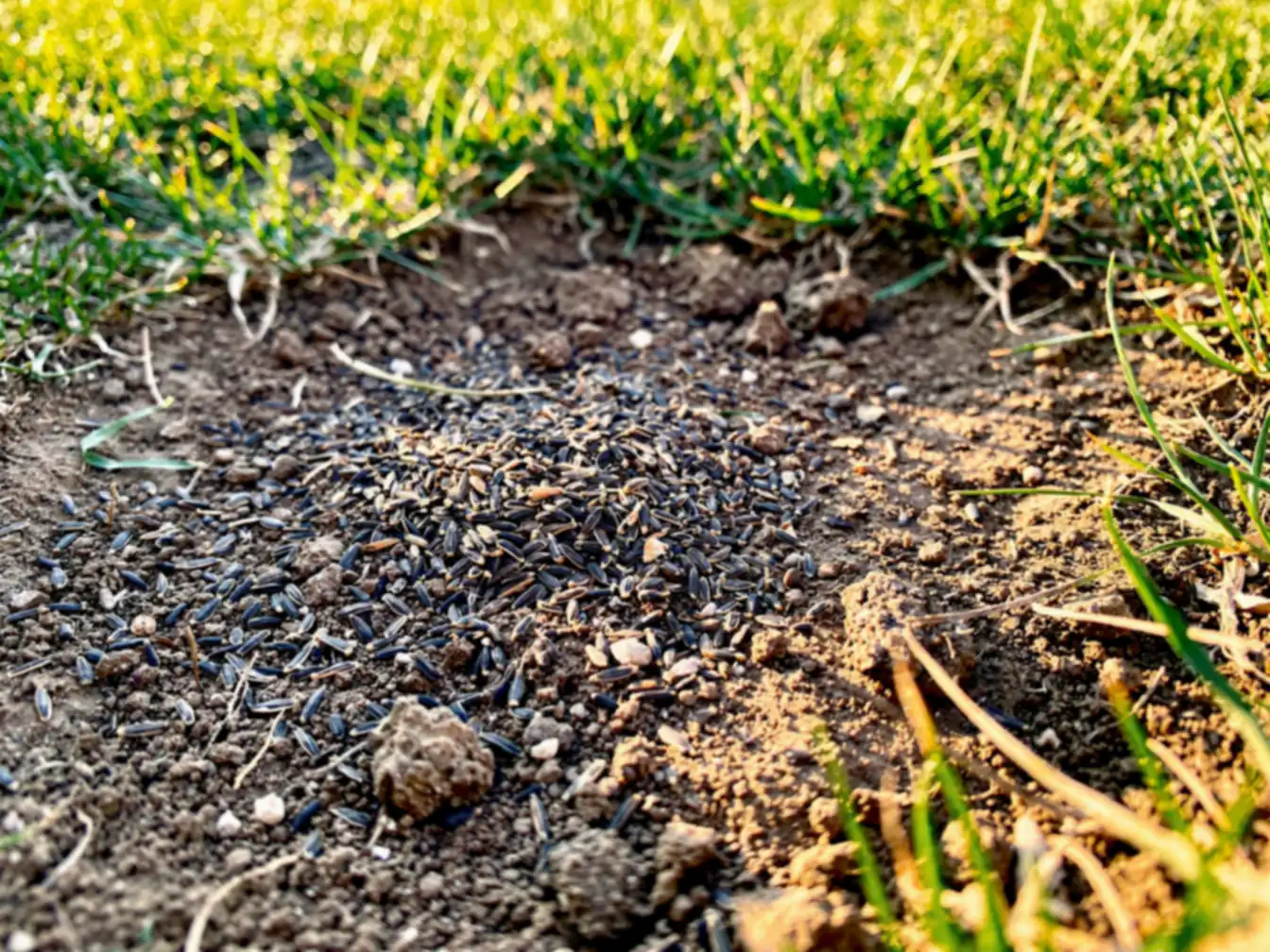
In fall, aeration and overseeding are a package deal for a reason: every hole the aerator opens is a perfect little seedbed, and seed that falls into one gets the soil contact that decides whether it roots or just lies there. Thin, shady areas take fescue during the fall window, when warm soil and cooling air give seedlings their best odds. Thin bermuda in full sun is a different conversation — it spreads by runners and often rebuilds better through feeding and open soil than through seed, which is the kind of call a good seeding plan makes up front rather than after a wasted bag. Either way, the mechanics matter as much as the seed: soil contact, steady moisture until germination, and a patient first mow. The overseeding prep checklist walks through every step, including the watering schedule that keeps three weeks of work from quietly dying on a hot afternoon.
Feed the comeback
A lawn coming out of a brutal summer is hungry, and fall feeding works differently than spring feeding in one important way: the growth it fuels goes down, not up. As the days shorten, bermuda shifts from pushing blades to banking energy in its roots and runners — the savings account it lives on through winter and spends on spring green-up. A proper fall feeding stocks that account at exactly the moment the plant is trying to fill it. Lawns fed well in fall go into dormancy stronger, shrug off cold snaps better, and green up earlier and thicker than lawns that went to bed hungry — the difference shows from the street in April. This is also the season when a soil test earns its keep: after a summer of stress, knowing what the soil actually holds — and what it's short on — turns fall feeding from a guess into a plan. Newly seeded areas need their own gentler approach while they establish. And once the lawn has gone mostly tan, the heavy-feeding window has closed for the year; at that point fertilizer mostly feeds the winter weeds, which brings us to the last step.
Shut the door on winter weeds
Here's the fall step people skip and regret in February: while the bermuda is winding down, henbit, chickweed, and annual bluegrass are germinating — in September and October, inside a lawn that still looks green and fine. They grow all winter while the grass sleeps, and by late winter the brown lawn is polka-dotted with weeds that are big, rooted, blooming, and dropping next year's seeds. Fall pre-emergent stops them before they ever break ground, which is enormously easier than fighting them established. One caveat that matters for recovery season: pre-emergent blocks grass seed just as thoroughly as weed seed, so seeded areas and treated areas have to be planned around each other — a scheduling detail that a well-run weed control program handles as a matter of course, and one worth flagging clearly if you're doing the seeding yourself.
What to expect by spring
Recovery doesn't look like much during the fall itself, and that's normal. The new seed comes up thin and unimpressive at first. The opened ground looks the same from the porch. And by November the whole yard goes tan anyway, which feels like a lousy reward for two months of effort. Don't let it fool you — the payoff is scheduled for April. Underground, the roots are running down whatever channels aeration opened, the new fescue is rooting ahead of winter, the fed bermuda is banking energy, and the pre-emergent barrier is quietly turning away weed seeds all season. A lawn that got seeded, fed, and protected in fall — on ground that was opened up back in summer — wakes up earlier, greens up more evenly, and closes over last summer's scars while the lawn next door is still deciding whether to try. Fall recovery is a bet you place in September and collect in spring. It pays every year, and around here, it's the difference between a lawn that survives our summers and one that gets a little worse after each one.