Lawn guide · July 1, 2026
Core Aeration in West Tennessee: What It Fixes (and Doesn't)
What core aeration actually does for a bermuda lawn on West Tennessee silt loam — the plugs, the right timing, what it fixes, and what it honestly can't.
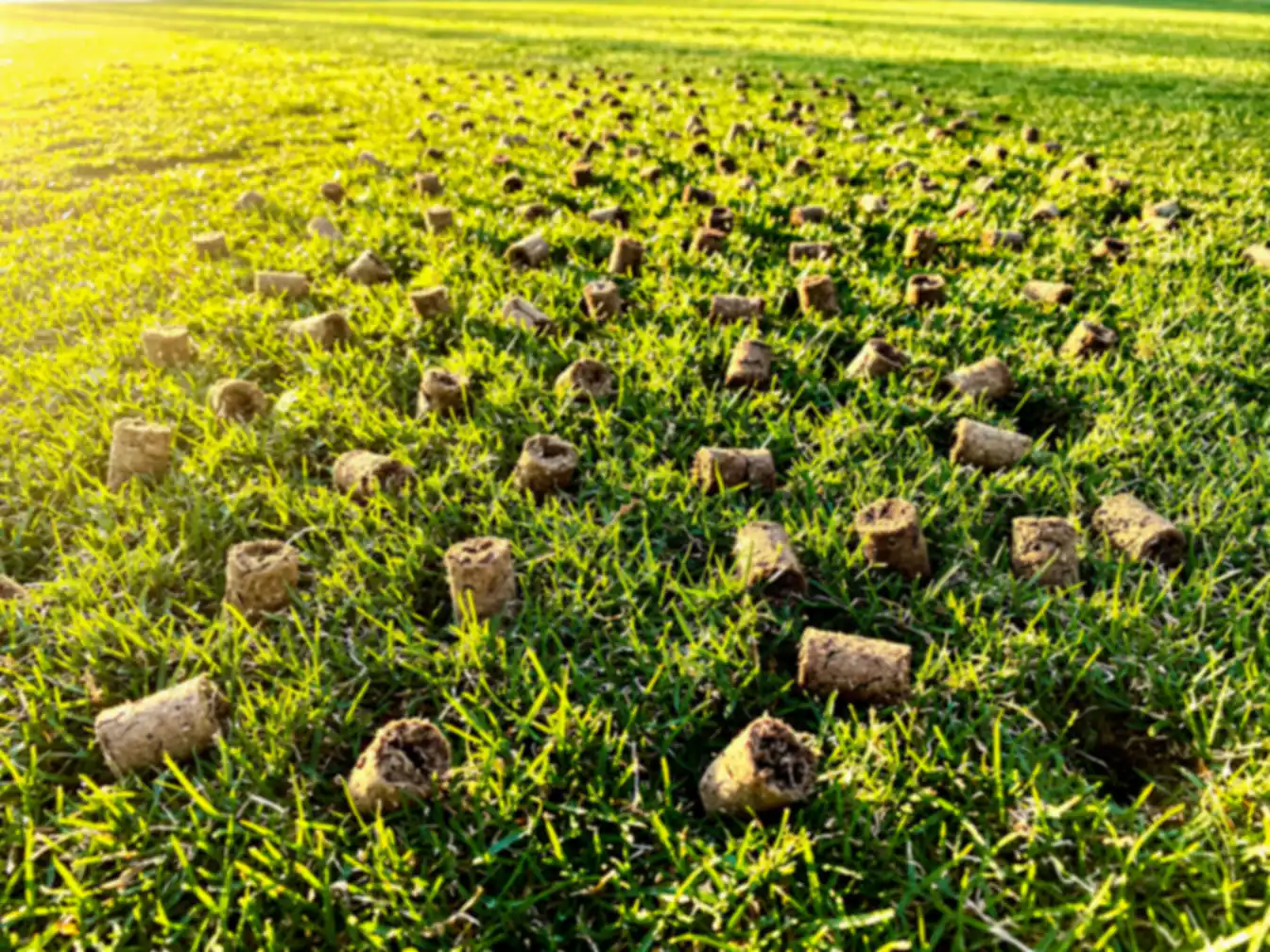
Once a year, usually right after we've aerated a lawn, somebody's neighbor leans over the fence and asks why the yard is covered in what looks like goose droppings. Fair question. Core aeration is one of those treatments that looks worse before it looks better, and it's also — on tight soil like ours — one of the most useful things that can happen to a bermuda lawn all year. Here's what it actually is, when to do it, what it fixes, and what it honestly doesn't.
What core aeration actually is
A core aerator is a machine with rows of hollow steel tines. As it rolls across the lawn, those tines punch into the ground and pull out actual plugs of soil — each one about the size of your finger, two to three inches long — and drop them on the surface. Thousands of them across an average yard. What's left behind is a lawn full of small open holes, and those holes are the entire point. Each one is a channel where air, water, and nutrients can finally get past the compacted surface and down to the roots. Note the word "pull." Spike aerators — the strap-on shoes, the rolling spiked drums — just poke holes by shoving soil sideways, which on tight silt actually compacts the hole walls tighter. Only hollow-tine core aeration removes soil and creates real space. On our soil, that distinction is everything.
Why lawns here need this more than most
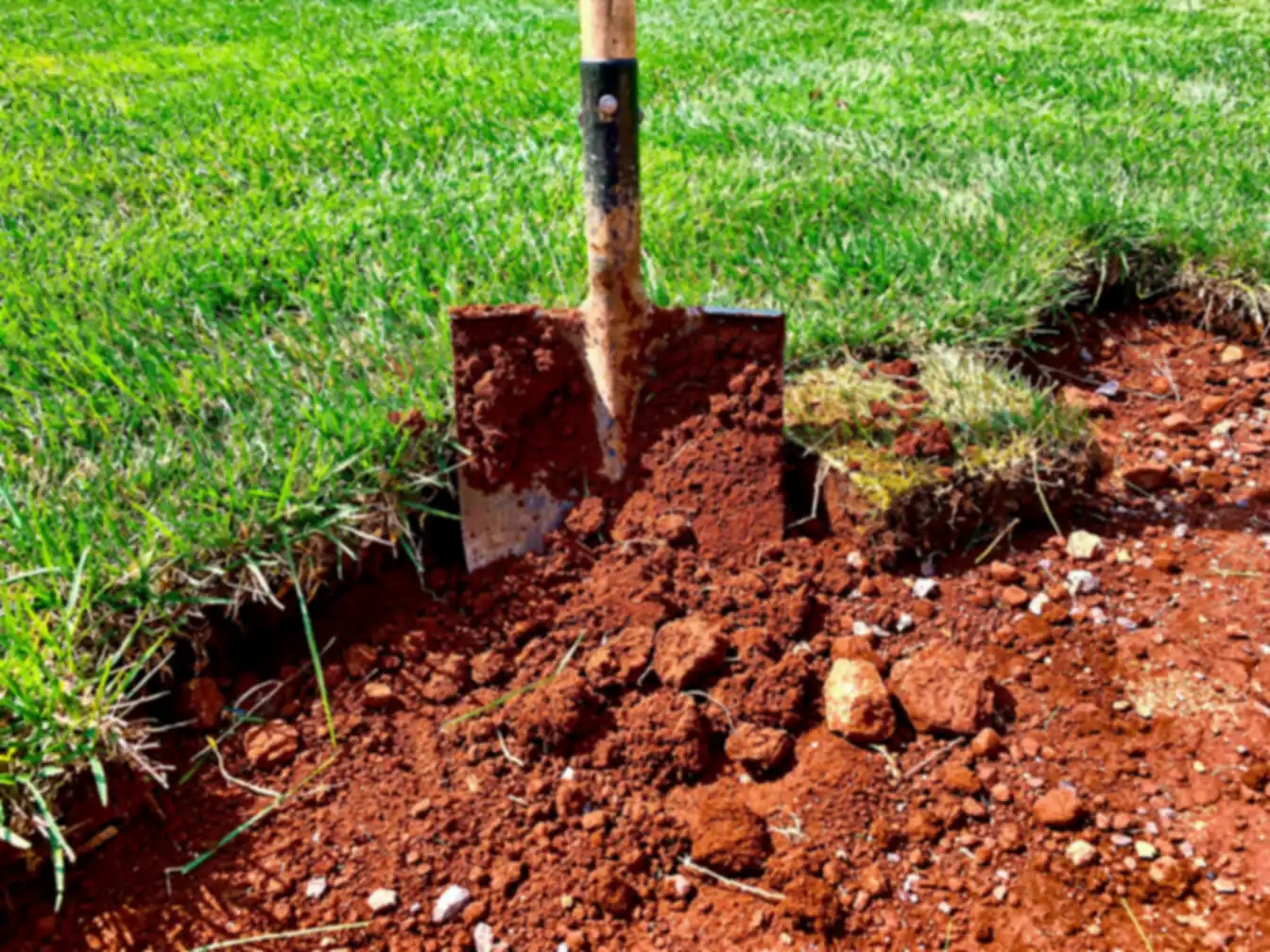
We've written a whole guide on the soil under West Tennessee lawns, but the short version: what everybody calls clay is really silt loam, silt packs tight under traffic, and packed silt squeezes out the air pockets roots depend on. Under it sits a fragipan, a dense layer roots can't get through, so the rooting zone here is shallow before anyone drives on it. Every mowing pass, every game of fetch, every summer of foot traffic presses it a little tighter. Compacted soil sheds rain instead of drinking it, starves roots of oxygen, and keeps them shallow — and shallow roots are why some lawns brown out a week into a dry spell while others cruise. Aeration is the release valve. It doesn't change what your soil is made of, but it undoes a year's worth of pressing-down, and around here that yearly reset is the difference between a lawn that struggles and a lawn that builds on itself season after season. Aeration also punches through thatch — the layer of old stems and runners bermuda builds up at the soil line, which can get thick enough to shed water like a raincoat.
When to aerate a bermuda lawn
Timing rule number one: aerate bermuda when it's growing hard, because aeration is controlled stress and the grass has to be awake to heal from it. Growing bermuda fills and seals those holes with new roots and runners within a few weeks. For West Tennessee that means late spring through midsummer — roughly May into July, once the lawn has fully greened up and while it's growing fastest. That's also when it's being fed, and the two jobs pair well back to back. Aerating dormant or half-asleep bermuda leaves the holes sitting open with no healing underway — all stress, no recovery, plus a fresh seedbed for whatever weed comes along. Now the correction we make most often: nearly every lawn article online calls fall the aeration season, and for cool-season grasses like tall fescue it is. Bermuda runs the opposite calendar — an October aeration hits it as it's shutting down, and those holes are still open in December. The one honest reason to aerate here in fall is to open a seedbed for fescue in the shady areas. One more timing note: the machine works far better in soil that's moist but not soggy. Bone-dry July ground will fight the tines, so after a long dry stretch, water the day before.
What aeration fixes
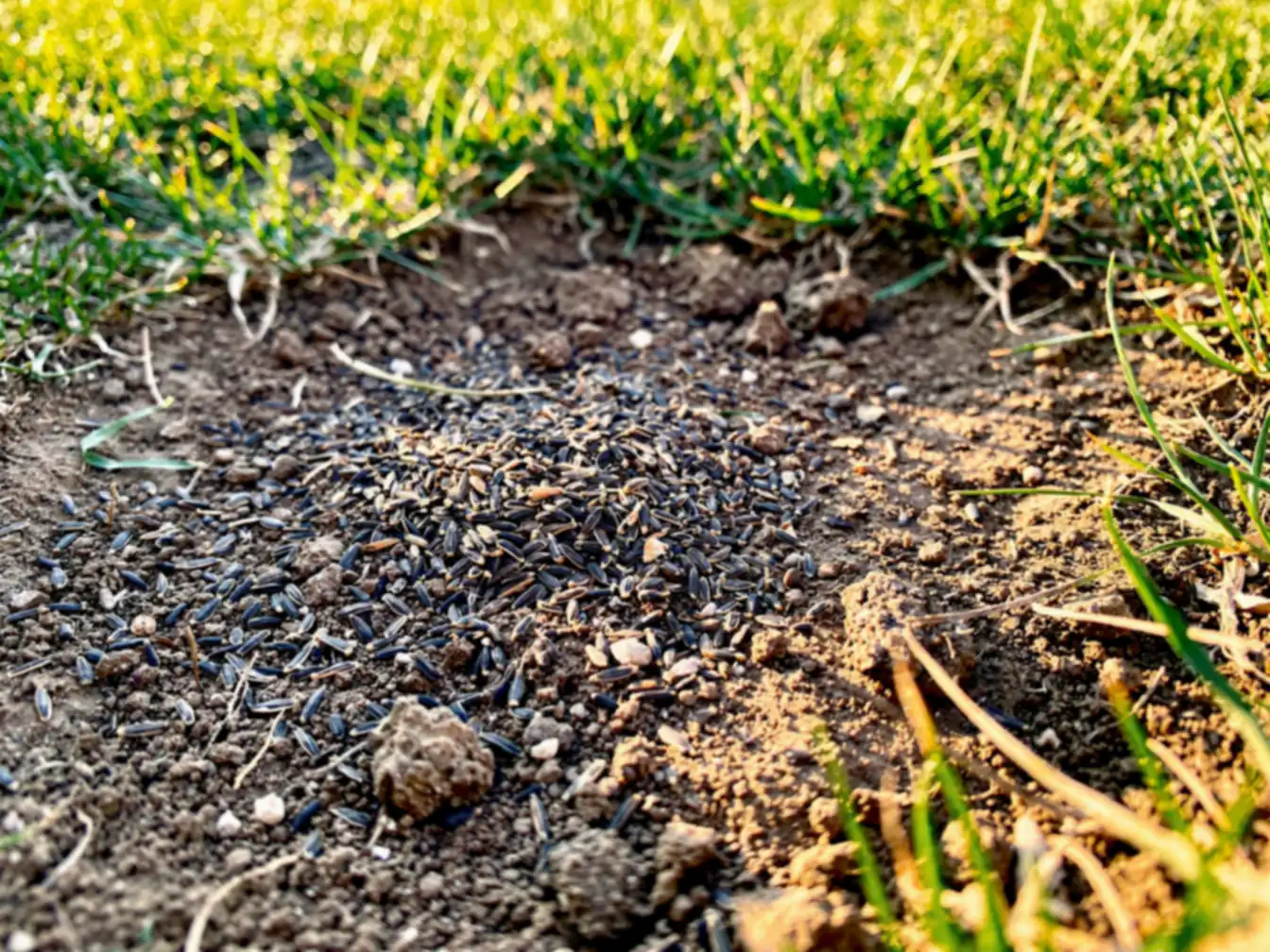
The list is real and it's longer than people expect. Compaction relief is the headline — roots get air, and they follow the loosened channels deeper. Water infiltration improves immediately: rain and irrigation soak in through the holes instead of running off the crusted surface, which on our crusting soil can be the difference between watering your lawn and watering the storm drain. Fertilizer reaches the root zone it was bought for instead of sitting on a crust. Thatch breaks down faster, because the pulled plugs sprinkle soil microbes across the top of the mat and put them to work. And if your lawn has thin areas, aeration is the best possible warm-up for seeding — seed that falls into aeration holes gets perfect seed-to-soil contact, sheltered from washouts and hungry birds. That's why aeration and seeding ride together so often — bermuda seed into early-summer holes, fescue seed into fall ones. The results show up on a delay: better water uptake within weeks, visibly deeper green and thicker growth over the following months, and the biggest payoff the following spring.
What aeration doesn't fix
Now the other side of the ledger. Aeration will not fix a grading problem — if water stands against your foundation or ponds in a low corner, that's about elevation, and holes in the ground don't change elevation. It won't fix shade; bermuda needs sun, and no amount of soil work changes what the oak tree thinks about that. It isn't a weed treatment — thin, compacted lawns lose ground to weeds, and aeration helps the grass compete, but the weeds themselves are a job for a real weed control program. It won't revive grass that's dead rather than struggling. And a single aeration isn't a cure — the soil starts re-compacting the day the machine leaves, which is why this is annual maintenance, not a one-time rescue. Anyone expecting one pass to transform a hardpan yard into a putting green is going to be disappointed. Anyone doing it yearly is going to wonder why the lawn keeps getting easier.
How to tell your lawn is asking for it
Compaction is invisible, but it leaves fingerprints all over a yard if you know where to look. The classic test costs nothing: a day or two after a rain, see how a plain screwdriver goes into the ground. Sliding in a few inches under hand pressure means the soil is breathing. Stopping cold means your grass is rooting into something close to pavement. Other tells: water puddling or running off within minutes of starting the sprinkler; worn, thin paths where people and dogs actually walk while the rest of the lawn stays thick; ground that feels hard as a sidewalk underfoot in August; grass that browns out days ahead of the neighbors' in every dry spell; and thatch you can feel as a spongy mat when you press on the turf. Any one of these is a hint. Two or more is your lawn filling out a request form. As for frequency — on soil that re-packs itself every season, once a year is the sensible default for most lawns, and heavily used yards, new-construction lots, and lawns just coming out of years of neglect can justify two passes in the same growing season, say May and again in July, until things loosen up. Sandy-soil advice from the internet will tell you every two or three years is plenty. Sandy-soil advice was not written from Tipton County.
About those plugs — leave them alone
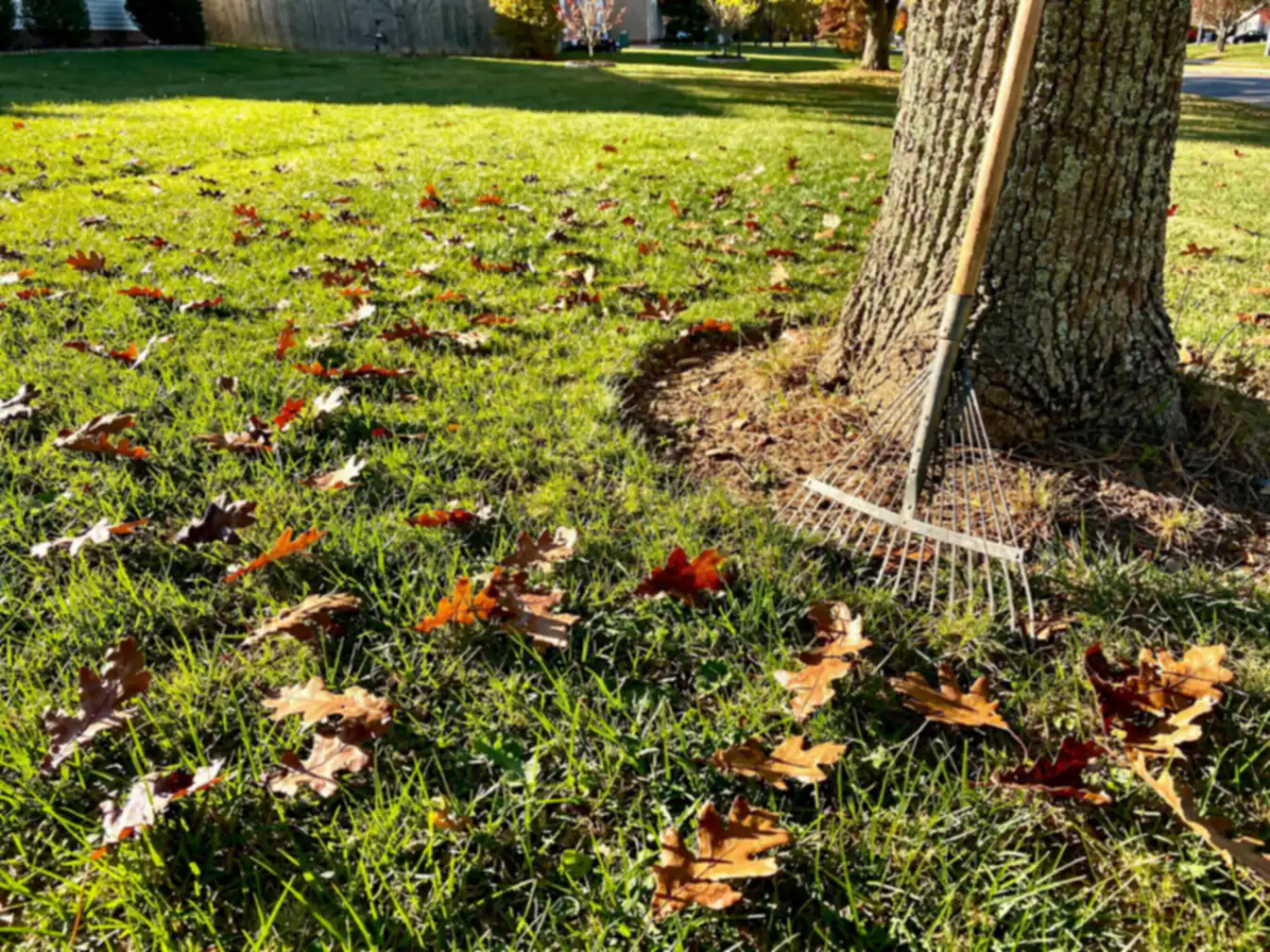
After aeration, the lawn looks like a small flock of geese held a convention on it. The plugs are supposed to stay. Don't rake them, don't bag them, don't power-wash them into the street. Within a week or two, rain and mowing crumble them apart, and the soil in them — full of microbes — filters back down into the turf, where it helps break down thatch on the way. By week three you'll forget they were there. Beyond that, aftercare is simple: water normally so the recovering roots have moisture, mow as usual once the surface plugs have dried, and hold off on any digging or heavy raking so the open channels stay open. If a pre-emergent barrier is part of your treatment plan, timing matters — aeration punches holes in that barrier, so the two get sequenced deliberately, which is one of the quiet scheduling details an annual program handles for you. It's a strange-looking treatment with an unglamorous name, and it does more for a bermuda lawn on our soil than almost anything else on the menu. The geese would be proud.