Lawn guide · July 22, 2026
The Overseeding Prep Checklist for West TN
How to prep a West Tennessee lawn for overseeding: the fall window, seed-to-soil contact, a watering schedule that works, and first-mow timing.
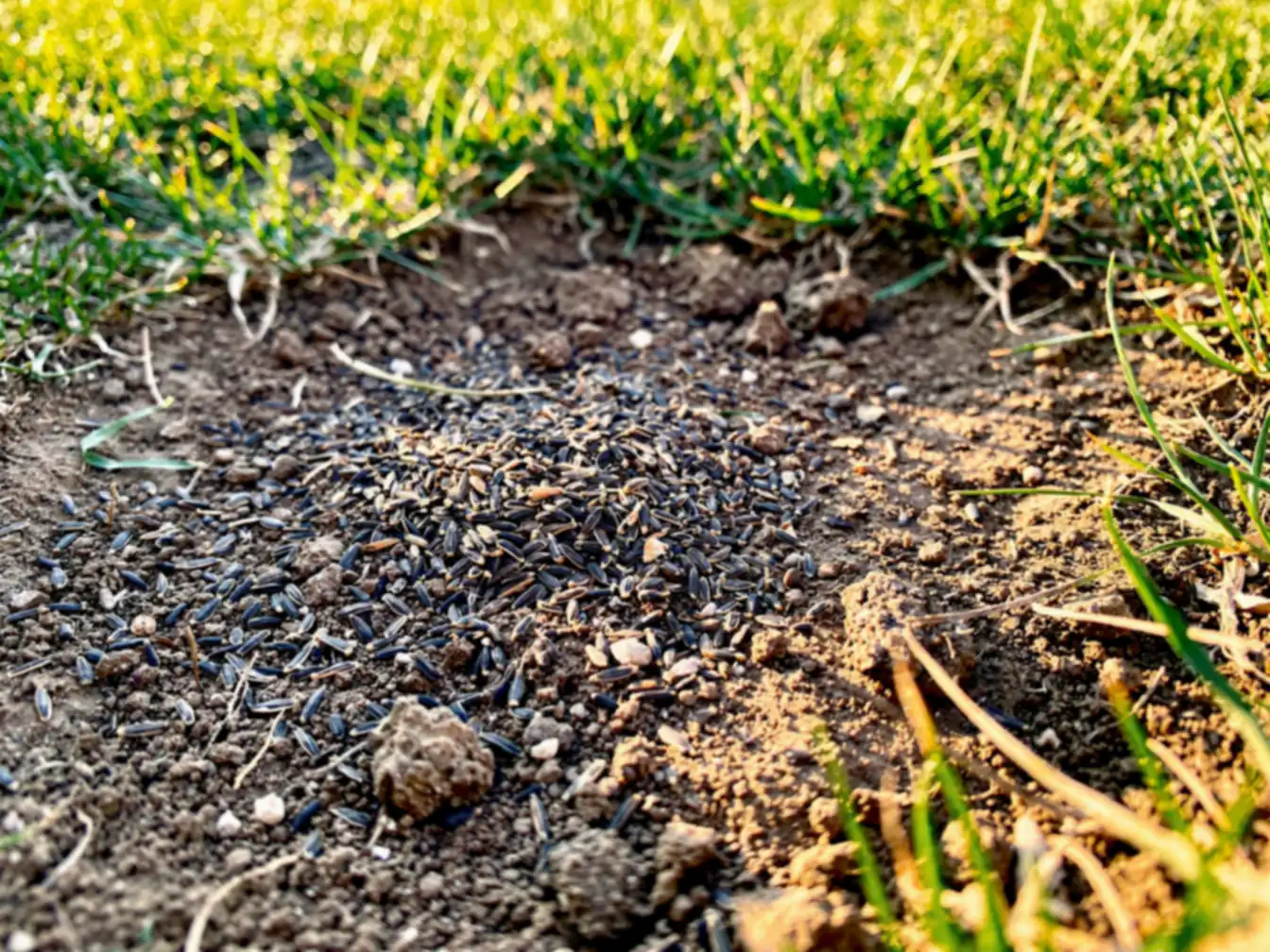
Grass seed isn't expensive. Wasted grass seed is — and most overseeding that fails was doomed before the bag ever opened. Seed thrown on hard ground at the wrong time, watered whenever somebody remembered, never had a chance to become grass. The good news: overseeding isn't complicated. It's a short list of steps, done in order, at the right time, and the lawn does the rest. Here's the list for a West Tennessee yard.
Start with the window, because everything hangs on it
Around here the prime overseeding window runs from about mid-September into early October. It's a sweet spot with three things going for it: the soil is still warm from summer, so seed germinates quickly; the air is cooling off, so tender new grass doesn't cook the way it would in July; and there are still weeks of growing weather left for roots to get established before the first frost shuts things down. Seed too early and August heat punishes the seedlings. Seed too late and frost catches grass that hasn't rooted, and you find out in spring how much of it made it. One caution before you buy anything, though. Bermuda is a warm-season grass, and bermuda seed wants genuinely warm soil to sprout — late spring into early summer is its seeding season, not fall. Thin bermuda in full sun usually thickens up better through feeding and aeration than through a bag of seed, because it spreads by runners and closes its own gaps. The fall window is prime time for fescue, the cool-season grass that actually tolerates the shady spots bermuda refuses to love. Sorting out which seed belongs where — and where seed isn't the answer at all — is most of the battle, and it's exactly what grass seeding as a service is built around.
Solve the pre-emergent conflict before anything else
Here's the trap that catches more fall seeding projects than drought does: pre-emergent can't tell a weed seed from the seed in your spreader. It blocks both, equally well, for months. Fall is also exactly when pre-emergent goes down to stop henbit, chickweed, and annual bluegrass from sprouting — the same weeks you'd be seeding. The two jobs cancel each other out on the same ground. So decide up front which areas get seed and which get weed prevention, and if a company treats your lawn, tell them where you plan to seed before the fall applications go out. Any decent outfit will work around your seeded areas and pick up the weed prevention there later. It's a thirty-second conversation that saves an entire stand of grass — and it works in reverse too: seed spread over ground that got pre-emergent a few weeks earlier is money straight into the barrier.
Mow low and clean the table
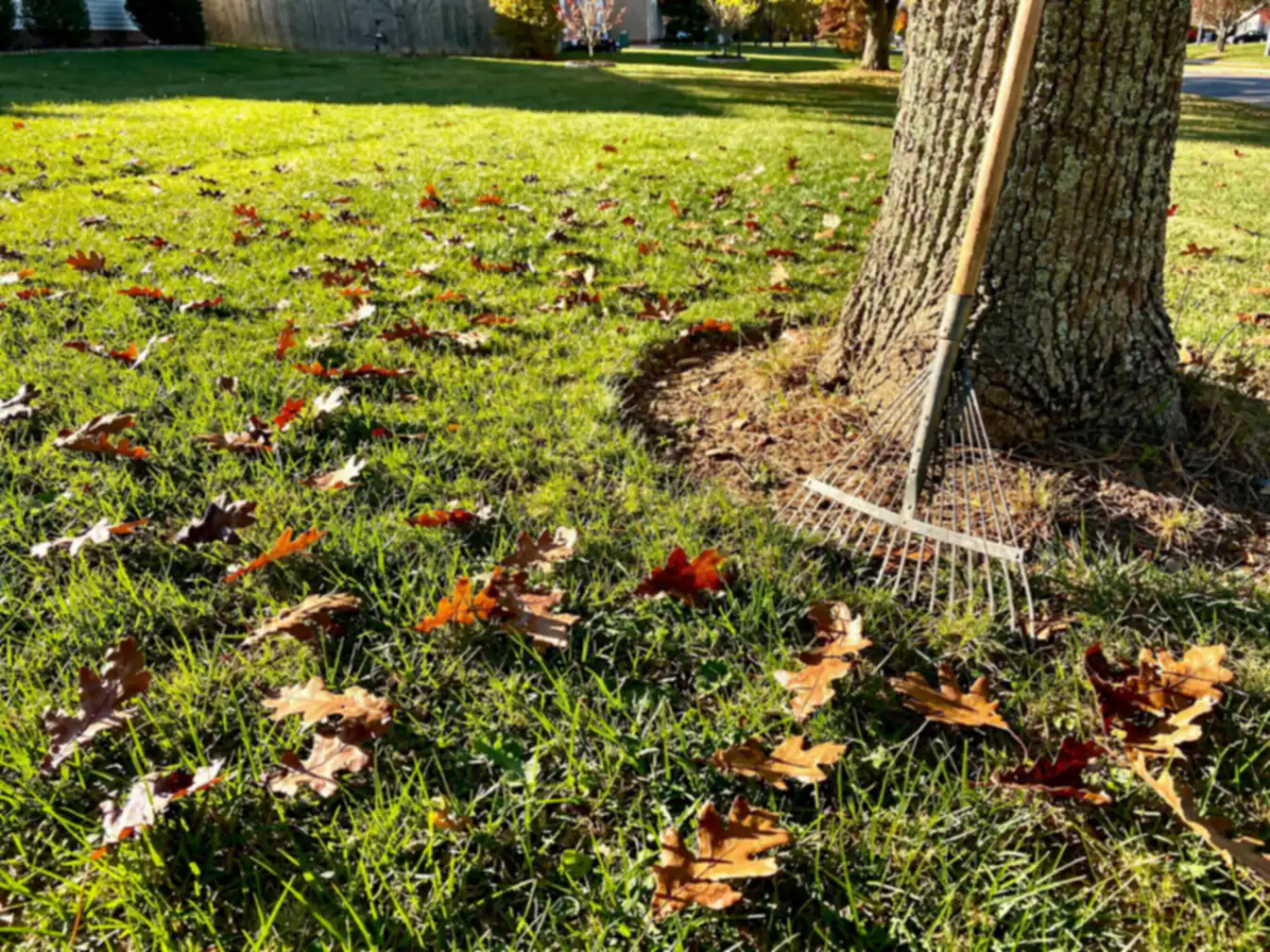
A day or two before seeding, cut the lawn a notch or two shorter than usual and bag the clippings. You're not scalping it — you're opening a path so seed can fall through the canopy to the soil instead of hanging up halfway. In the thin and bare areas, rake out the dead material, leaves, and matted debris, and rough up the top half inch of soil while you're there. It's honest manual labor and nobody enjoys it, but seed needs to land on dirt. Every stalk, leaf, and mat of old grass between the seed and the soil lowers the odds of that particular seed becoming grass.
Make the seed touch dirt
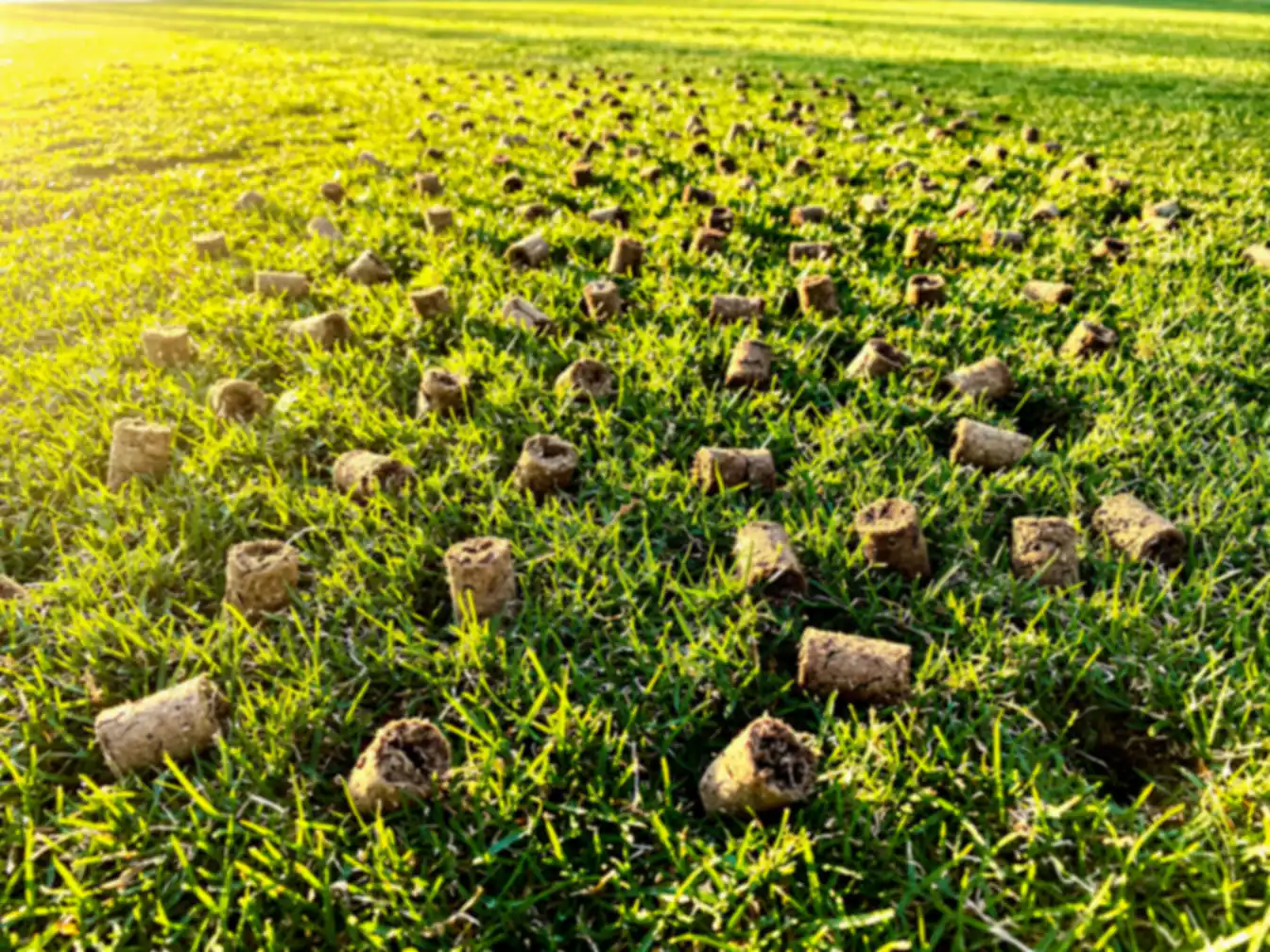
Seed-to-soil contact decides the whole project — it's the difference between overseeding and expensive mulch. A seed resting on top of thatch will sprout with the first watering, push out a root that finds nothing but air, and die. That's why a lawn can be watered faithfully for three weeks and show almost nothing for it. For small patches, a hard rake and a light dusting of soil or compost over the seed does the job; on a slope, press the seed in with your foot so the first storm doesn't relocate it to the ditch. For a whole lawn, the best tool is core aeration run right before seeding: the machine pulls thousands of plugs out of our tight silt loam, and the seed drops straight into those open holes — protected from washout, surrounded by loose soil, at a perfect depth. The crumbling plugs even topdress the seed for you. There's a reason aeration and overseeding ride together every fall. One caveat: bermuda's own aeration window is late spring through midsummer, when it's growing fast enough to heal the holes. Fall aeration is a seedbed job — a good reason to run it, just not the bermuda's compaction relief for the year.
Water on a schedule, not a mood
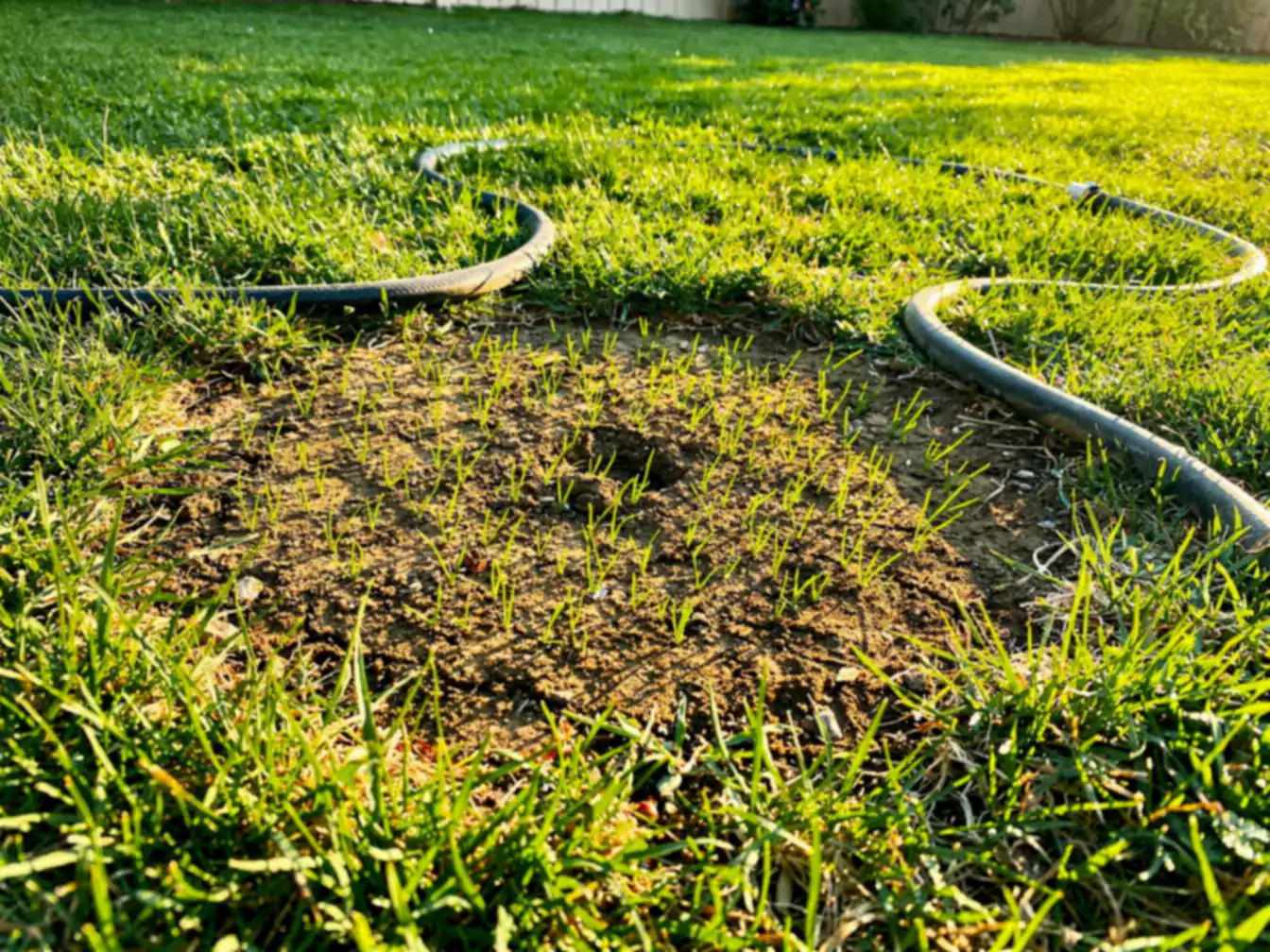
Germinating seed has one requirement and it's non-negotiable: the top half inch of soil stays damp until the seed is up. In a warm West Tennessee September, that means light, short waterings — ten to fifteen minutes per zone — twice a day, early morning and again around midday. Not a soaking; a refresh. You're keeping a thin layer damp, not filling the soil. Fescue germinates in roughly seven to fourteen days — you'll notice it first as a faint green haze across the bare spots, easiest to see looking down the lawn at a low angle in morning light, and it thickens from haze to fuzz to actual grass over the following week. Through that whole stretch the rules are strict: a rainy day counts as a watering, a mushy, footprint-holding lawn means back off, and two hot afternoons with dry soil can quietly wipe out a week-old stand you never even saw. The seed doesn't send a notice when it dies; the bare spot just stays bare, and people blame the seed. Once the new grass is up, start weaning it — once a day but deeper for a week or so, then every couple of days, then fold it into the normal grown-up routine of about an inch a week in one or two soakings. Deep, less frequent water is what chases the roots downward, and roots are the entire point. The watering schedule is honestly the hardest part of overseeding, because it's boring and it lasts a month. Do it anyway.
Hold off on the first mow
New grass looks mowable well before it's ready. Wait until the new fescue reaches about three inches — usually three to four weeks after germination — and check two things before you start the engine: the soil should be dry enough that the mower doesn't leave tire ruts, and the blade should be sharp, because a dull blade will yank seedlings out by their week-old roots instead of cutting them. Take off no more than a third of the height, keep your speed down, and make the turns gentle — a pivoting wheel can twist new grass right out of the ground. After that first careful cut, each one gets less delicate, and within a few mows the new grass is just part of the lawn and can be treated like it.
The checklist, all in one place
- Confirm the window: roughly mid-September to early October.
- Match the seed to the spot — fescue for the shade, and a hard look before putting bermuda seed down in fall.
- Settle the pre-emergent question for every area you plan to seed, before anything goes down.
- Mow low, bag, and rake the thin spots to bare dirt.
- Get seed onto soil — into fresh aeration holes if you can manage it.
- Water short and often until germination, counting rain, then taper toward deep and seldom.
- First mow when the new fescue hits three inches: dry ground, sharp blade, slow turns.
And keep expectations level: overseeding is a thickening tool, not a miracle. If the lawn went thin because the soil underneath is packed hard, seed alone treats the symptom and the same spots go thin again next August — the full fall recovery plan covers how aeration, seeding, feeding, and weed prevention fit together so the fix actually holds.