Lawn guide · July 14, 2026
Fixing Bare Spots: Bermuda vs. Fescue Answers
Diagnose the cause first: shade, compaction, grubs, or dog spots. Then pick the right grass and the right seeding window for West Tennessee.
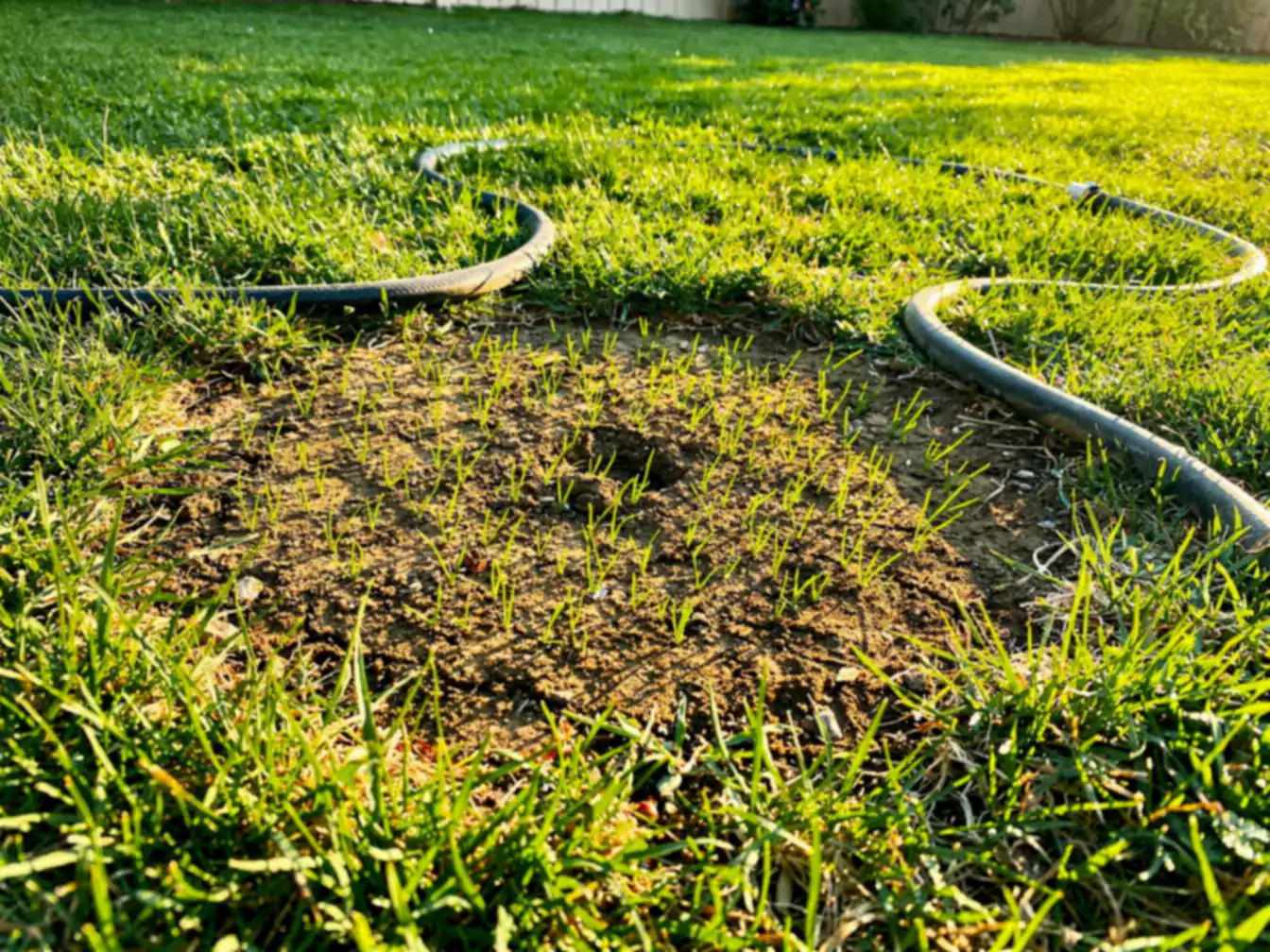
Seed is the last step, not the first
Every bare spot in a lawn is a question, and the biggest mistake homeowners make is answering it with a bag of seed before asking what it is. Seed thrown at an unsolved problem gives you a familiar result: a few weeks of hopeful green fuzz, then the same bare spot, now with wasted money in it.
Something killed the grass that used to be there. Until you know what, you're not fixing the spot. You're feeding it. So before anything else, play detective. In West Tennessee the list of suspects is short, and each one leaves fingerprints.
The usual suspects
Shade. Stand at the spot and be honest about sunlight. Bermuda needs six-plus hours of direct sun, and no amount of seed, water, or wishing changes that. Bare ground under a maturing tree, on the north side of the house, or along a fence line that's shaded most of the day is usually a sun problem, not a grass problem. The tell: the lawn thins gradually as you move into the shade, rather than dying in a defined patch.
Compaction. Our silt loam packs down hard under foot traffic, dog patrol routes, parked trailers, and especially new-construction equipment. Try pushing a screwdriver into the bare area a day after rain. If it fights you, roots are fighting the same battle. The tell: water beads and runs off instead of soaking in, and the spot sits along a path or a driveway.
Grubs. If the dead turf peels up with no roots holding it, grubs ate them out from under it, usually showing up in late summer. Mole tunnels nearby are a supporting clue, and if you have those too, read our guide to moles and grubs before you spend a dime on seed.
Dog spots. Small round dead patches, often with a ring of extra-green grass around the edge, in the area where the dog does its business. Dog urine is basically a fertilizer overdose in one spot: the center burns, the diluted edge gets fed. That green ring is the giveaway.
One bonus suspect for early summer: patches that were green all winter and died in May were probably annual bluegrass, a winter weed that dies on schedule when heat arrives and leaves its spot bare behind it.
If the spot gets sun, bermuda can usually heal itself
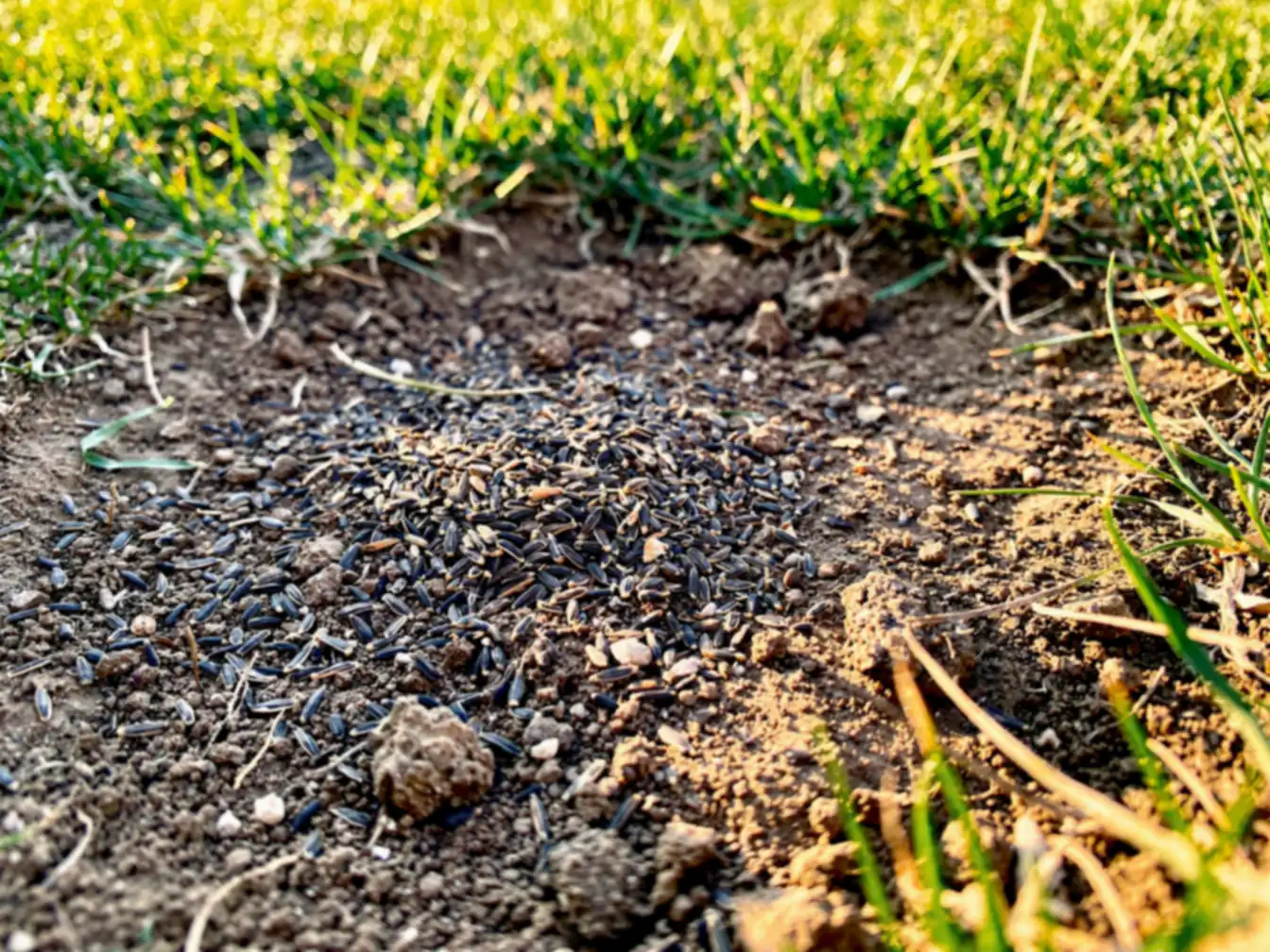
Here's some good news that surprises people: a sunny bare spot in a bermuda lawn often doesn't need seed at all. Bermuda spreads by runners, above and below ground, and given warmth, food, and water it will crawl across bare soil on its own. Rough up the surface so the runners can peg down, keep it watered, keep the lawn fed, and a fist-sized spot can close in a few weeks in midsummer. Even bigger areas will shrink noticeably over one growing season.
If the area is large enough that you'd rather not wait, bermuda can be seeded, but only in its window. Bermuda seed wants genuinely warm soil, and around here that means late spring through midsummer, roughly May into July. Seed it in April because the air felt nice and it will sulk in the cold soil. Seed it in September and the babies won't be established before frost. Warm soil, warm nights, full sun. That's the deal bermuda offers, and it doesn't negotiate.
Whichever route you take, new seed has one non-negotiable demand: the surface has to stay damp until the seedlings are up and rooted, which usually means light watering once or twice a day for a couple of weeks. Our soil makes this trickier than it sounds. Silt crusts over hard when it dries, and a seed under a crust is a seed in jail. Frequent light water beats occasional heavy water while seed is establishing, which is exactly backward from how you water a grown lawn. Knowing when to flip that switch is half of successful seeding.
If the spot is shady, stop replanting bermuda in it
We've watched homeowners reseed the same shaded patch with bermuda three summers running, and the shade won every time. It always will. The honest answer for real shade in our area is tall fescue. It's a different grass with different manners: it tolerates shade, stays green through winter, and grows in clumps instead of spreading runners.
Fescue has its own strict window, and it's the opposite of bermuda's. Fescue gets seeded in fall, from roughly mid-September to mid-October in West Tennessee, so it can root through fall and winter before facing its first summer. Spring-seeded fescue mostly dies its first August, because a baby fescue plant with shallow roots meets Tennessee heat and loses. Fall seeding isn't a preference. It's the difference between a lawn and a science experiment.
Know what you're signing up for, too. Fescue won't creep to repair itself the way bermuda does, so shady fescue areas typically want a touch-up overseeding every fall or two. That's not failure, that's just how the grass works, and it's still a far better deal than bare dirt. Our seeding service handles both grasses in their proper windows for exactly this reason.
The pre-emergent trap
Here's the scheduling conflict that quietly kills more seeding projects than heat or shade combined: pre-emergent weed barrier stops seeds. All seeds. It cannot tell a crabgrass seed from the grass seed you just paid for.
If a lawn gets pre-emergent in late winter, spring seeding into that barrier is mostly wasted. If fall pre-emergent goes down to stop winter weeds, fescue seeded into it stays a bag of intentions. Seeding and weed prevention are both good tools, but they have to be scheduled around each other, on purpose. This is exactly the kind of collision a year-round lawn calendar exists to prevent: seed first and let it establish before the barrier goes down, or protect first and seed in the next window.
Compaction: the soil problem under everything
Plenty of bare spots in Tipton County have nothing eating them and plenty of sun. The soil itself is the problem. Our silt loam compacts into something close to brick, roots can't push through it, water sheets off it, and grass thins out and gives up. There's a fragipan a foot or more down in most of these yards too, so the rooting zone was shallow to begin with. New-construction yards are the classic case, packed tight by months of equipment before the first blade of grass ever grew.
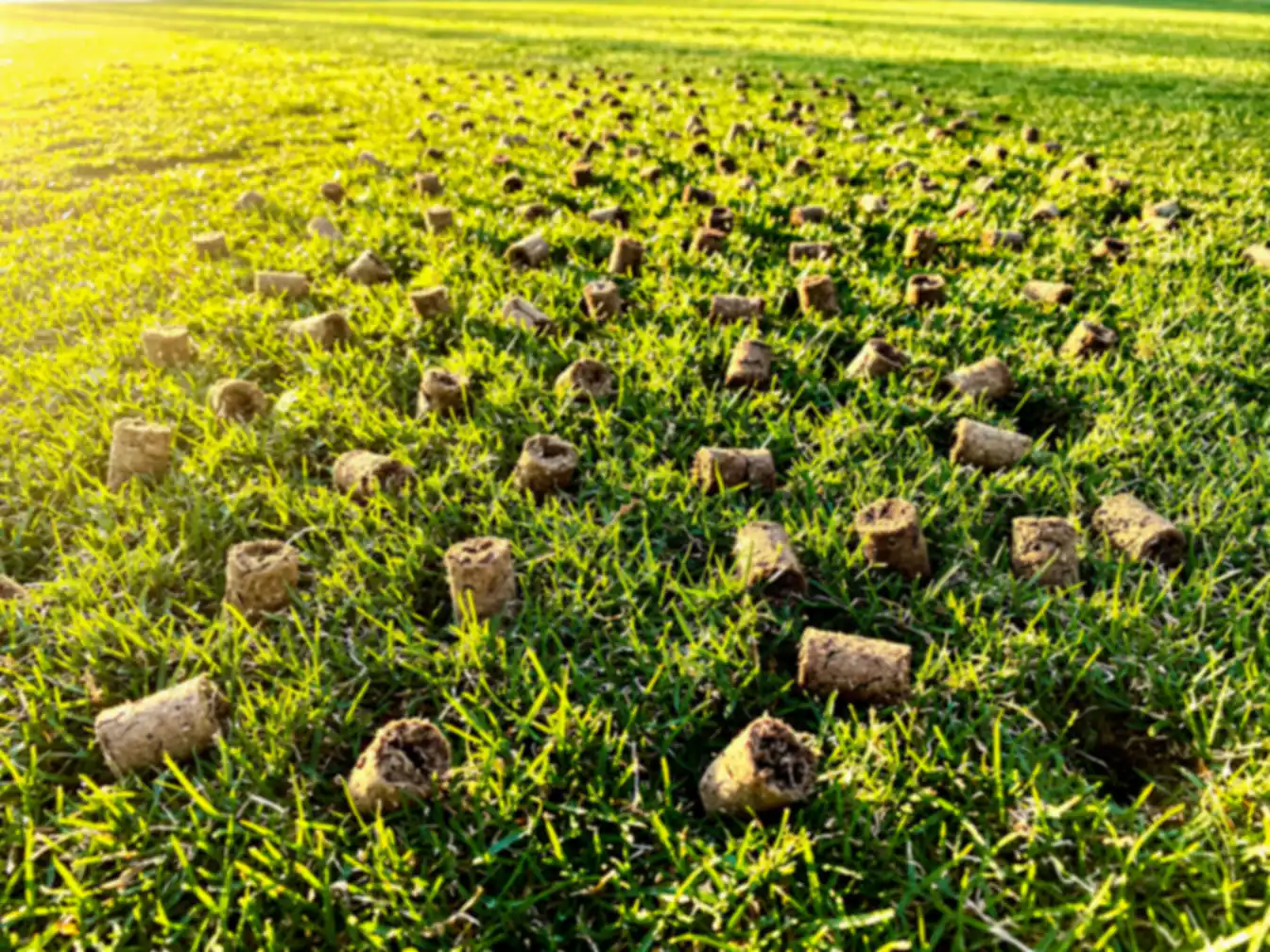
The fix is core aeration: pulling thousands of small soil plugs to open the ground so air, water, and roots can move again. The lawn looks a little rough for a week or two while the plugs melt back in, and then everything about it works better. Water soaks in instead of sheeting off, roots push into the loosened channels, and grass that had been retreating starts advancing. Timing depends on which grass you're repairing, and this is where most online advice goes wrong. Bermuda is warm-season, so its aeration window is late spring through midsummer, while it's growing hard enough to heal the holes. Fall aeration is the cool-season rule — here it earns its fall slot mainly as seedbed prep for fescue, since seed dropped after aeration lands in open holes with real soil contact instead of bouncing off a crust. If your bare spot flunked the screwdriver test, aeration isn't optional. It's the actual repair, and seed without it is decoration.
Dog spots and other quick fixes
Dog spots are the easiest diagnosis and a manageable fix. Water is the medicine: a good soaking on fresh spots dilutes the overdose before it burns. Established dead spots need the dead material raked out, a splash of water to flush the soil, and then either bermuda's runners or a bit of seed in the right window to close the hole. If the dog has a favorite corner, the spots will keep coming, so some families give the dog a mulched zone and retire from the fight with dignity.
Whatever your spot turns out to be, the order of operations never changes. Diagnose first. Fix the cause. Then, and only then, put grass back, with the right species in the right season. Seed is a fine answer. It just refuses to be the whole answer, no matter what the bag says.