Lawn guide · August 6, 2026
Why Your Yard Keeps Giving Your Dog Fleas
Fleas and ticks don't start on your pet — they start in the shaded edges of your yard. How the cycle works in West Tennessee, and how to break it.
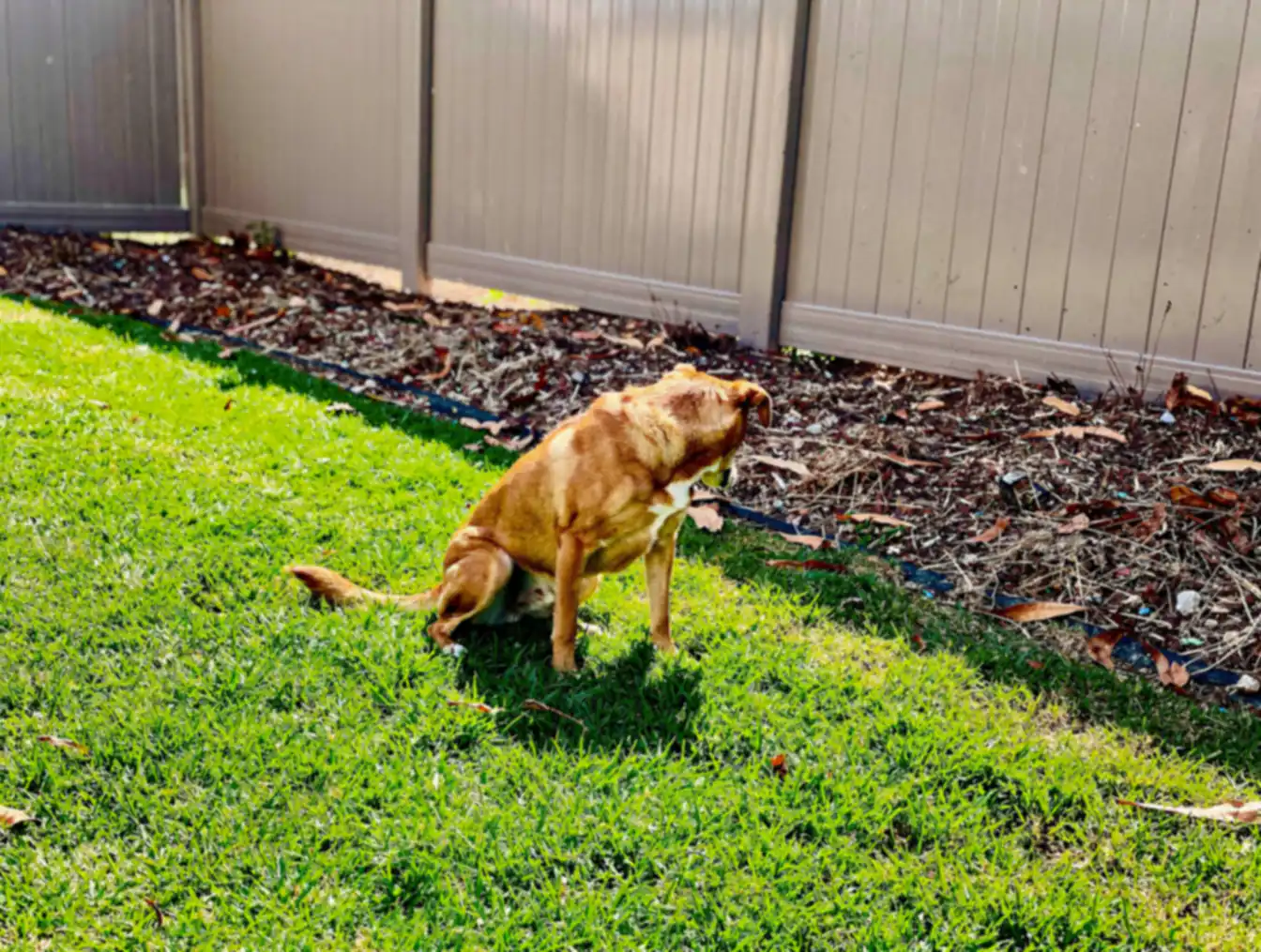
The dog is treated. The dog is still scratching
This is one of the most common frustrations we hear, and it usually comes with a note of betrayal. The dog gets its preventative every month, right on schedule. The house has been vacuumed within an inch of its life. And the fleas keep showing up anyway, like they didn't get the memo.
Here's the piece most folks are missing: the dog isn't where the fleas live. The dog is just where you notice them. The actual flea population, the overwhelming majority of it, is living outside in your yard, and every trip the dog makes across the lawn is a chance to pick up new passengers. Treating the pet without treating the yard is like bailing a boat with the leak still open. You can be fast. You cannot be that fast.
Your dog is the shuttle bus, not the city
To see why, you have to look at how a flea actually lives. The adult fleas biting your dog are a small fraction of the total population, usually cited at around five percent. The other ninety-five percent is eggs, larvae, and pupae, and almost none of it is on the animal.
It works like this. An adult flea feeds and lays eggs on the dog, but the eggs don't stick. They fall off wherever the dog goes, like salt from a shaker: the napping spot under the oak, the route along the fence, the shady dirt by the back steps. Those eggs hatch into larvae, and flea larvae are picky about real estate. They can't stand direct sunlight and they dry out easily, so they burrow down into shaded soil, leaf litter, and thatch, eating debris and waiting to grow up.
Then comes the stage that defeats everybody: the pupa. A flea pupa wraps itself in a sticky cocoon, down in the soil or litter, and it can sit there for weeks or even months, protected from weather and from most treatments, waiting. It hatches when it senses a host walking by, the vibration and warmth of a passing animal. Which means a yard can seem flea-free for a month and then hand your dog a fresh batch the first warm week you let your guard down.
Where they actually live in your yard
Here's the good news inside all that: fleas can't live just anywhere. The sunny, open middle of a healthy lawn is actually terrible flea habitat. It's too hot, too bright, and too dry, and larvae down in that soil cook.
The flea map of your yard is the shade map. Under the deck. Under shrubs and along the foundation. The strip along the fence where the grass grows tall. Leaf litter at the wood line. Damp beds on the north side of the house. And, more than anywhere else, the exact spots your dog loves to lie down, because that's where the eggs have been raining off for months. If you want to know where the fleas are, watch where the dog naps in July. The dog found the shade. So did they.
West Tennessee is built for this
Fleas are humidity animals. They need moist air and moist soil to survive their young stages, and dry climates keep them in check without anyone lifting a finger. West Tennessee does the opposite. Our summers are a sauna, our shade stays damp, and our mild winters don't reliably freeze the problem out. The flea season here runs from spring until a hard frost, and a warm winter can let protected pockets carry right through. This is also prime country for the flea's uglier cousin, and that one deserves its own section.
The ticks on the guest list
Three ticks do most of the biting around Tipton County, and they work different shifts:
- The lone star tick is the one you'll meet most. It's aggressive, it actively moves toward hosts, and the adult female wears a single white dot on her back. Adults and nymphs run hard from spring through summer, and in late summer the larvae hatch in clusters. If you've ever walked through a patch of grass and come out with dozens of pinhead-sized "seed ticks" on your ankles, that was a lone star nursery.
- The American dog tick likes open, grassy, sunny areas, field edges, and untended strips, and it peaks in spring and early summer. As the name suggests, dogs are a favorite target.
- The blacklegged tick, often called the deer tick, is the cool-season one. It stays active in fall and even on mild winter days, hunting from leaf litter and shaded wood-line edges when you'd assume tick season was over.
Ticks don't jump or fall from trees, whatever your uncle says. They quest: climb a tall blade of grass or a weed stem, stretch their front legs out, and wait for something warm to brush past. That's why tall grass, unmowed edges, and brushy borders are tick country, and a trimmed, open lawn mostly isn't.
Why treating only the pet fails
Now the math problem. Say the preventative on your dog works perfectly and kills every flea that bites. The yard is still holding the other ninety-five percent of the population in the ground, and the pupae are still hatching on their own schedule. Your dog walks through the yard, picks up new fleas, and yes, the preventative kills them, but not always before a bite, and never before some of them lay eggs somewhere. The pipeline stays full. The pet treatment is a good goalkeeper, but it's playing alone against an entire team, and the other team gets to substitute constantly.
That's what yard flea and tick treatment is actually for. It goes after the ninety-five percent: the shaded harborage zones where eggs, larvae, and questing ticks actually live. The perimeter, the fence lines, the bed edges, under the deck, the wood line, the dog's favorite shade. And because eggs keep hatching and pupae keep waiting out single treatments, it's built as repeat applications through the warm season rather than one visit and a handshake. The goal is to break the life cycle in the yard so the dog stops restocking, and so the ticks waiting along your edges never get their ride.
The honest limits
We'd rather tell you this now than have you learn it in August. Yard treatment shrinks the problem dramatically. It does not build a force field.
We can't treat the woods behind your fence, and if you back up to timber or pasture, that border will always be wilder than your lawn. And wildlife doesn't respect property lines: deer, raccoons, possums, stray cats, and field mice all carry fleas and ticks, and every one that crosses your yard at night is reseeding it a little. A yard with a wooded border is a yard you defend, season after season, not a problem you solve once.
That's also why the vet's preventative stays on the dog, treated yard or not. The two aren't competing products. The yard treatment knocks the population down where it lives, and the preventative protects the animal from the stragglers and hitchhikers. Together they work. Alone, each one is trying to hold a door while the other door stands open.
A few things you can do yourself that genuinely help:
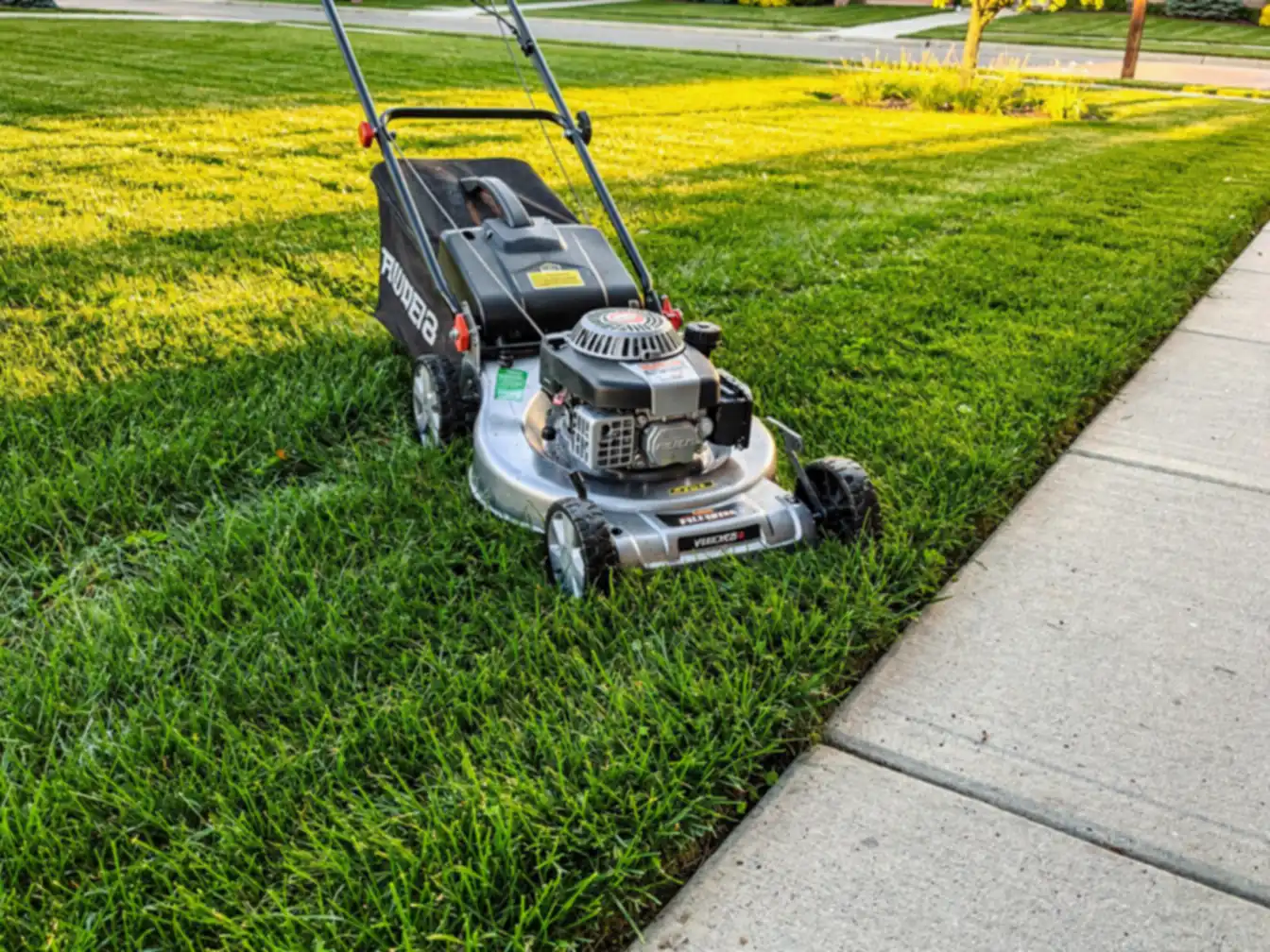
- Keep the lawn mowed regularly. Short grass is hot, dry, bad flea habitat and worse tick habitat.
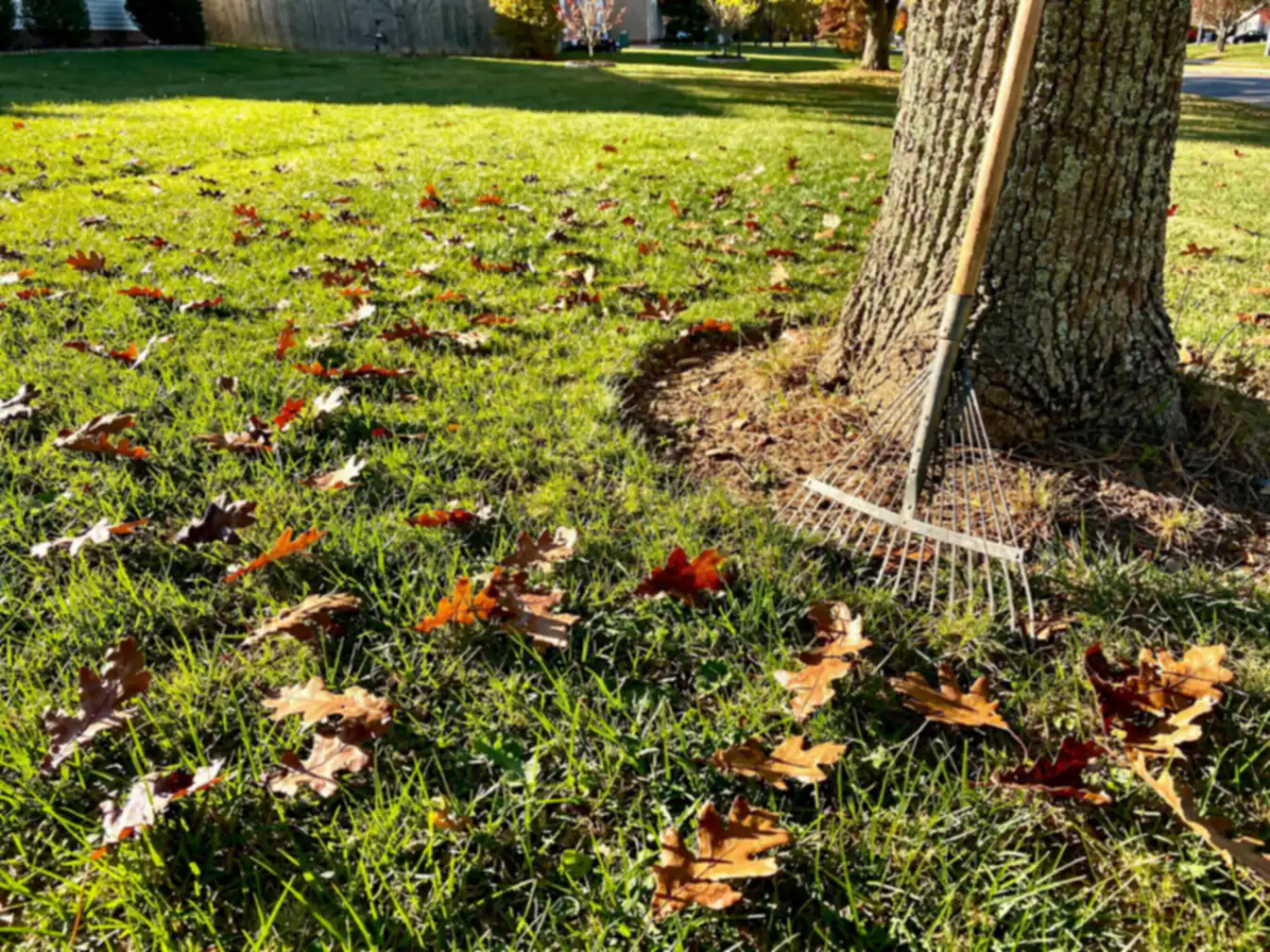
- Rake leaf litter out of bed edges and away from the foundation instead of letting it bank up.
- Let sunlight in where you can. Every square foot of shade you open up is habitat lost.
- Move wood piles, junk piles, and brush away from the areas where kids and pets actually play. That's rodent housing, and rodents arrive pre-loaded.
- Check the dog after time in tall grass or at the wood line, especially spring through late summer.
None of that replaces treatment, and treatment doesn't replace the vet. But a mowed, raked, treated yard with a protected dog is a hard place to be a flea. And after enough seasons of watching this fight from both sides, we can tell you the yards that stay ahead of it are always the ones that stopped blaming the dog.