Lawn guide · August 6, 2026
Growing Grass Under Trees (and When Not to Try)
Why bermuda thins under trees, where fescue honestly fits in West Tennessee shade, and when mulch beats another bag of seed.
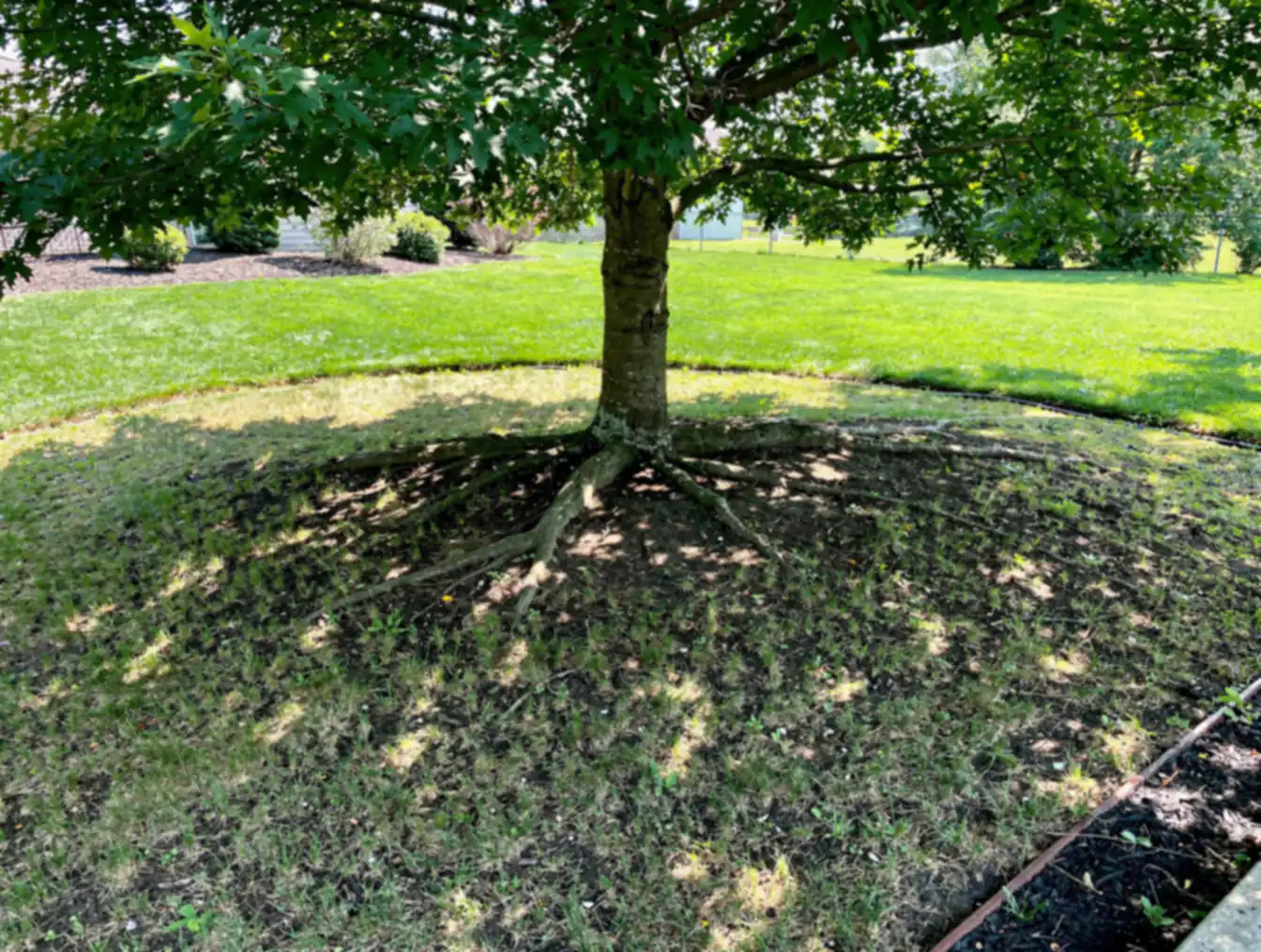
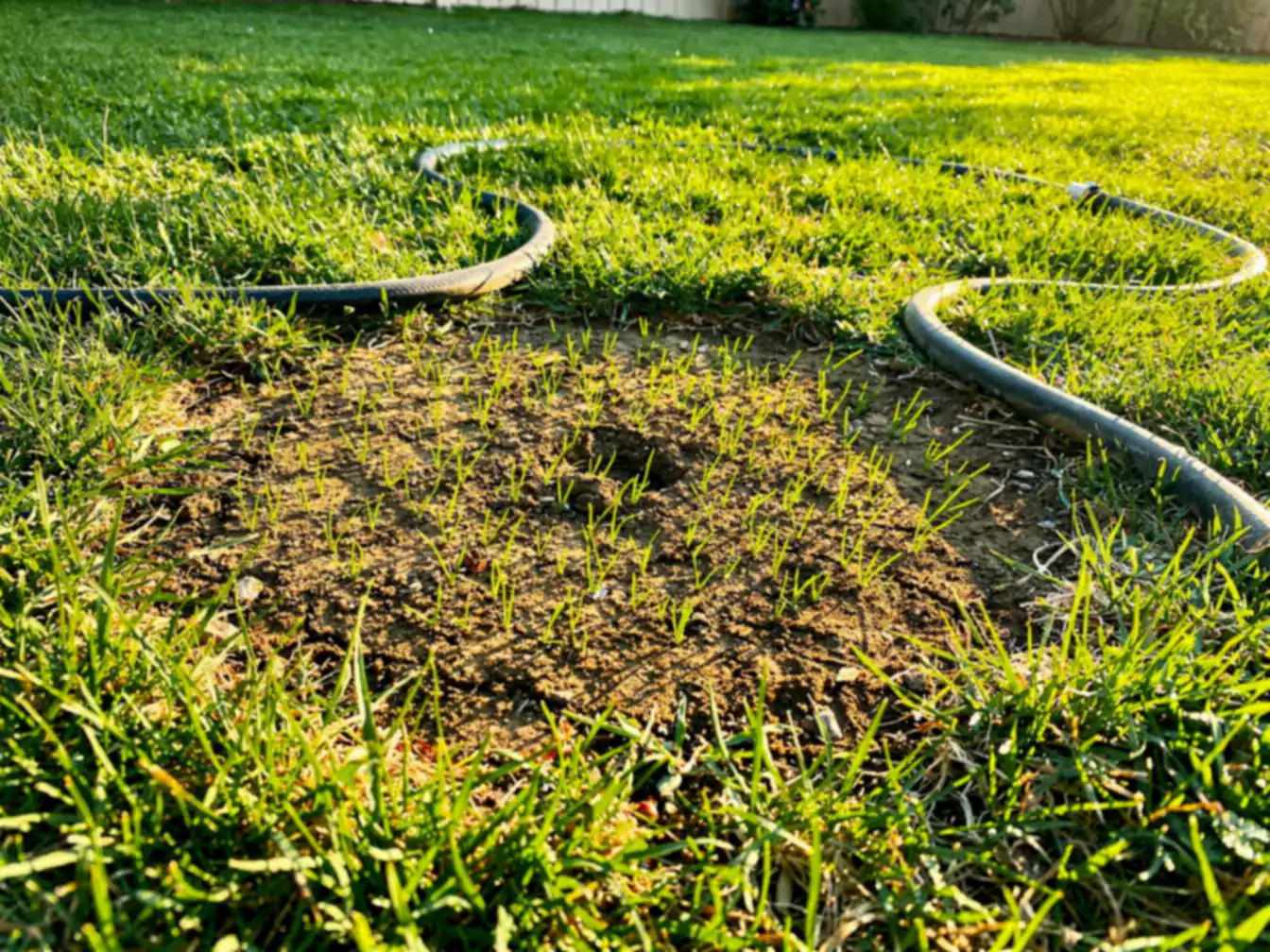
Almost every yard in Tipton County has one: the stubborn thin patch under a tree that has "failed" every fix the shed can throw at it. More seed, more water, more fertilizer, a different seed, a sterner attitude — and by August it's dirt again. Here's the uncomfortable truth up front: that spot probably doesn't have a care problem. It has a light problem, and light is the one input nobody sells in a bag. The good news is that once you understand what shade actually does, your options get clear — including the option of not growing grass there at all.
Bermuda's six-hour rule
Bermuda is a full-sun grass, full stop. It wants six or more hours of direct sunlight a day, and its response to getting less is completely predictable: the stand thins, the runners stretch long and spindly hunting for light, and the turf slowly retreats outward to the sunny edge of the tree's shadow. No fertilizer changes this, because the shortage isn't food — it's the energy to use the food. Feeding shaded bermuda is like mailing groceries to someone with no stove. Under about four hours of direct sun, bermuda isn't thin; it's gone, and every spring's fresh attempt to seed it back is a donation to the birds. This is also why the patch keeps growing a little each year — the trees keep growing too, and every season the shadow gets one lap longer.
Count the hours before you buy anything
Most people guess their shade wrong, because shade moves. A spot that's bright at breakfast can be dark from noon on, and a canopy that's open in March is closed by June — right when the grass needs light most. So before you spend a dollar, spend a day:
- Look at the spot at three points — morning, midday, and late afternoon — on a sunny day in full leaf-out, and add up the hours of direct sun actually hitting the ground.
- Note when the sun arrives. Morning sun is the good kind: it dries dew early, which cuts disease pressure, and it's gentler than the brutal afternoon slant.
- Six-plus hours: bermuda will work, and your thin spot has some other cause worth diagnosing — our guide to bare spots walks through the usual suspects.
- Three to five hours: this is fescue territory, with the honest asterisk below.
- Under three: stop trying to grow turf there. We'll get to what's better.
Fescue, the shade grass — with an asterisk
Tall fescue is the grass that tolerates shade, and in dense-canopy yards it's the only turf with a real chance. But nobody should sell it to you without the second half of the sentence: fescue is a cool-season grass, and West Tennessee summers are genuinely hard on it. It grows beautifully in fall and spring, then spends July and August in survival mode — and here's the twist, the shade that ruled out bermuda is exactly what keeps fescue alive through the heat. Under a tree, afternoon shade is fescue's air conditioning. The honest arrangement is this: fescue in shade here is not a plant-once lawn. Summer will take a toll most years, and a touch-up overseeding most falls is part of the deal, the way mowing is part of owning bermuda. Priced against re-mulching a bed you'd rather was green, plenty of homeowners take that deal happily. They just deserve to know it's the deal. Two habits tilt the odds in fescue's favor, and both are on the homeowner side of the fence: mow shade fescue tall — three and a half inches or better, because every inch of blade is solar panel, and a shaded plant needs all the panel it can get — and go easy on summer nitrogen, which pushes soft growth right when the plant is trying to hunker down and survive.
Raise the canopy before you fight the biology
Sometimes you can change the light itself. Limbing a tree up — removing the lowest branches — lets morning and evening sun slide in under the canopy, and thinning a dense crown turns deep shade into the dappled kind fescue can genuinely use. An hour or two of borrowed light can move a spot from "hopeless" to "workable." That work belongs to you or an arborist you trust — Woodlawn treats lawns; we don't touch trees — but it's often the highest-leverage move on this whole page, and it's better for the tree than the slow strangulation of a dense, crossing crown. What we'd steer you away from is topping or butchering a healthy mature tree just to grow grass. The tree was there first, it's worth more than the turf, and there are better answers below.
Tree roots drink first
Shade is only half of what a tree does to grass. The other half is underground, where a mature tree's feeder roots fill the same top few inches of soil the grass needs, and the tree wins every draw — it takes the water and nutrients first, and the grass gets what's left. This is why turf under a tree wilts days before the open lawn does even in the same weather, and why the drip line is usually where lawns go from thick to thin. If you're growing fescue under trees, water it like the competition it's in: deeper and somewhat more often in summer than the open lawn, because "what's left" after the tree drinks is less than the rain gauge claims. Two warnings while we're under the tree. Don't till or trench through the root zone to prep for seed — those feeder roots you'd be cutting are the tree's lifeline, and a scratched surface is all the seedbed you need. And don't haul in a load of topsoil to bury the roots and start over; piling even a few inches of soil over a mature tree's root zone can smother it, trading a thin lawn problem for a dead tree problem, which is not the direction you want the trade going.
Fall is the only real window
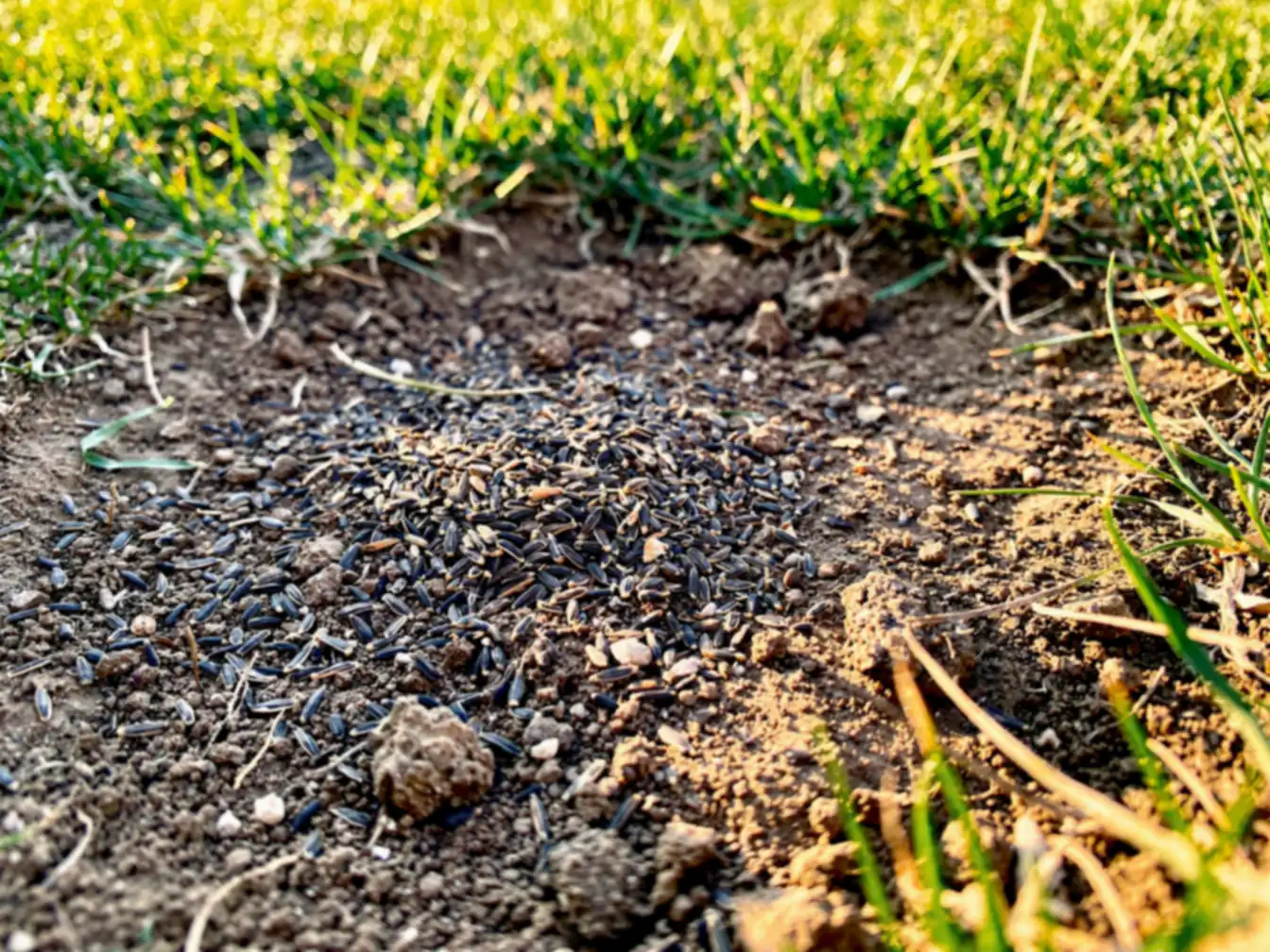
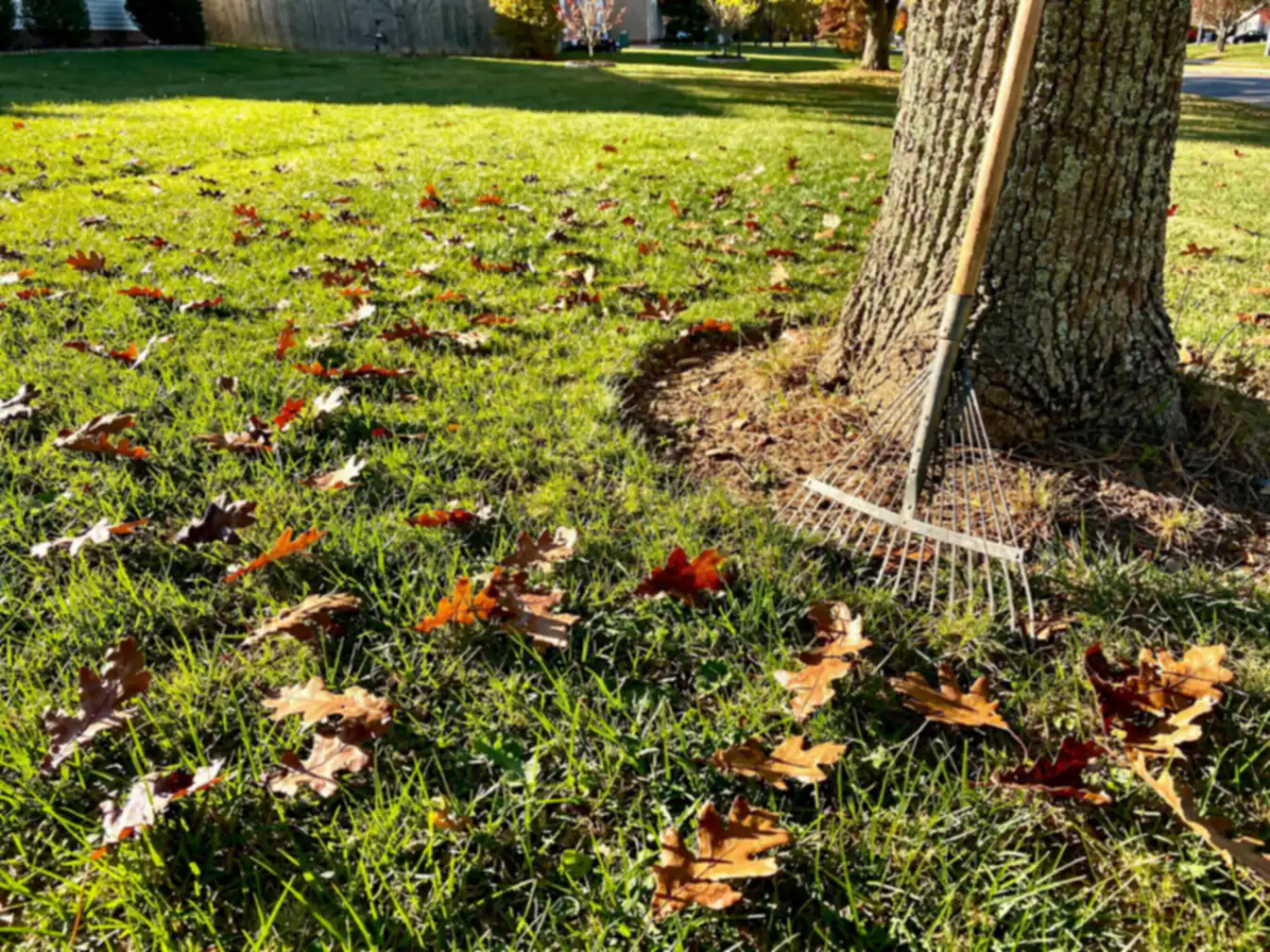
If shade fescue is the plan, the calendar is strict. Seed goes down in fall — September into October here, once the worst heat breaks — so seedlings get fall, winter, and spring to build roots before they face their first summer. Spring-seeded fescue gets a few soft weeks and then walks straight into July with baby roots; it rarely lives to tell about it. Fall shade seeding has its own quirks: seed must reach soil, not sit on the leaf litter, and falling leaves need raking off the seedlings before they smother them. Getting soil contact, seed choice, and timing right is most of what our grass seeding service is, and shade jobs are where the details pay the most.
When grass shouldn't win
And sometimes — under three hours of sun, dense surface roots, a spot that has eaten five bags of seed — the smartest move is to stop asking grass to do the impossible. A wide mulch ring is the honest classic: it looks intentional, it ends the mud, and the tree genuinely prefers it to turf competing at its trunk. Shade groundcovers hold banks and fill dark corners that no turf ever will — liriope, mondo grass, and ajuga all earn their keep in West Tennessee shade and ask for nothing once established. Even moss, if it's already volunteering, is nature filing a report about the site: shady, damp, compacted. (Moss is not a message about sour soil, whatever the lime bag implies — lime a mossy spot and you'll still have moss, plus a pH nobody asked you to change.) You can fight the moss every spring, or you can read the report. None of this is defeat; it's putting plants where they can win. Around here we'd rather tell you plainly that grass won't win under that maple than sell you seed for it every fall — if we treat your lawn like our own, that includes the corners where the right answer is mulch.